
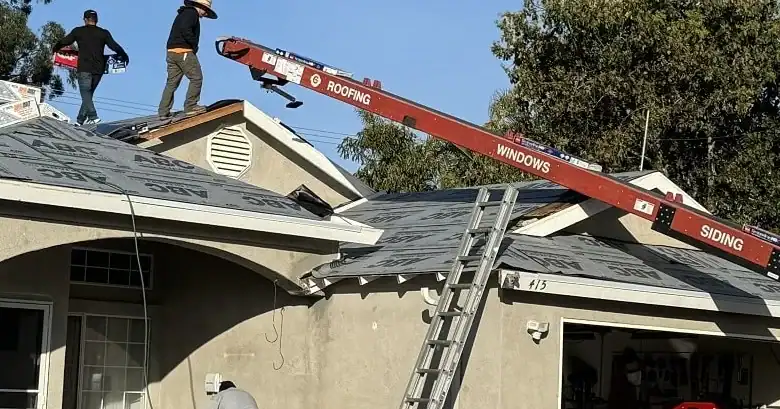
Weighing New Roof Installation Serving Lompoc California?
Creative Roofing handles the planning, the tear-off and the cleanup of a roof job, serving Lompoc California and the places close by.
Phone 805-723-2381 to set up a time for someone to look at the roof.
The First Step in a Roofing Project
Every roofing job starts with someone climbing up to see what is actually there, since guessing from the ground leads to surprises later. Loose granules, lifted edges, cracked flashing and soft spots all say something about the layers below, and it pays to think it through.
Months of direct sun take a steady toll on whatever covers a house, so the south and west slopes get the closest attention.
Repair, Patch or Replace
The right answer depends on how much sound material is left on the house, and an honest roofer will say which one applies. A roofer who explains the reasoning in plain terms is easier to trust with the work, since the plan should make sense to the person paying for it.
When the decking underneath is damaged, the scope of the job grows, and nobody should be surprised when it happens.
Picking a Roof Covering
Most houses here wear one of three coverings, and the choice shapes everything else, and the pitch of the roof narrows the field quickly. Sun exposure makes color a practical question as well as a visual one, and it pays to look at them at different times of day.
When the Crew Can Work
Dry months are the busy season for roofing, since an open roof and rain do not mix, and it pays to think it through. Heat affects the work as well, so an early knock on the door is nothing to worry about.
Tear-Off and Preparation
Removal of the old material is where the project gets loud, and protecting the driveway and plants is worth asking about. Soft or split sheathing is cut out and new panels are fastened down, since good materials laid over a weak deck do not last.
Underlayment and Drying In
Underneath the visible covering sits a water-resistant layer that does much of the work, and metal edging is set at the eaves and rakes before the covering. Reaching this stage quickly is a sensible way to protect the interior, and the visible covering goes on from there.
Small Metal Pieces, Large Consequences
The places where a roof is interrupted are the places most likely to leak, so fresh metal is standard practice among careful crews. Pipe seals made of soft materials fail early in strong sun, and a little care goes a long way.
Air Under the Roof
Heat collects in the space beneath the roof deck unless it has somewhere to go, and vents at the eaves let cooler air in. More vents are not always better, because intake and exhaust have to be balanced, so ask how the attic will breathe once the work is done.
Finishing the Job
The job is not over until the yard looks like a yard again, and that is worth keeping in mind. A walk around the finished roof with the roofer is a reasonable thing to ask for, and it makes future repairs and sales smoother.
The Paperwork Side of a Roof
Municipal offices have their own expectations for roof work, because surprises at the counter slow everything down. Areas with wildfire exposure often have extra requirements for roofing materials and vents, so ask how the plan meets the rules for your street. The best paperwork leaves little room for misunderstanding, and it is easy to overlook.
Protecting the House and Yard
Roof work is hard on landscaping unless it is planned for, and it is reasonable to ask how this will be done. Children and animals should stay clear of the yard while the work is underway, and a little planning prevents most accidents. The attic gets dusty during tear-off, and anything stored there will notice, and a little care goes a long way.
Living Through a Roof Project
Most residential projects are finished within days, not weeks, so ask for the expected start and finish up front. A quick word with the people next door can head off complaints, and early starts mean early noise. Working from home during a roof job is possible, though not always pleasant, and that is worth keeping in mind.
Questions That Reveal the Difference
Find out who will be on the roof and who will be in charge of the job, and listen to how the answer is given. Knowing exactly what is going on the house removes a common source of disputes, so ask before you sign anything. Talk through how changes to the plan will be handled and agreed, and keep the discussion friendly but specific.
Small Habits That Extend Roof Life
Checking the roof twice a year takes only a few minutes, so put it on the calendar like any other chore. Keep the gutters clear of leaves and needles, especially at the end of the dry season, and it protects the investment you just made. Early attention to a leak is almost always cheaper than late attention, and it pays to think it through.
Is There a Best Time for a New Roof
Planning ahead usually gives better choices than reacting to an emergency, so a few weeks of lead time is common. Winter work happens too, with crews watching the forecast closely, and the details are worth a closer look.
Attic Findings That Change the Plan
Rust on the points of roofing nails and dark patches on the sheathing are signs that moisture has been present for some time, and bring a flashlight if you can.
Next Steps for Your Roofing Project
Anyone researching New Roof Installation in Lompoc California is one call away from a straight answer, and 805-723-2381 reaches the right person. Large or small, a roofing project goes best when the plan is clear before the work starts, so there is no harm in asking questions first. A short conversation can turn a vague worry into a clear plan, so pick up the phone when you are ready.
Verified

Verified
Verified
Verified
Verified






















