
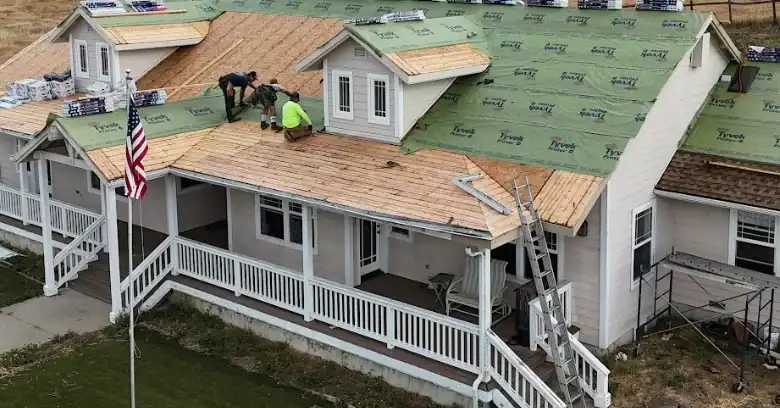
Interviewing Residential Roofer Contractors Serving Lompoc California Homes?
Creative Roofing gives homeowners a plain picture of what it is like to hire and live with a work crew, from Lompoc California to the next town over.
Call 805-723-2381 and put your questions to someone who handles roofs every week.
From Estimator to Installer
A roofer is a tradesperson who installs, repairs and maintains the weatherproof covering on a building, and it is perfectly normal to ask. Someone who mostly installs on new builds may be less comfortable with a leak on an old roof, and the best choice depends on your house. Roofing crews climb ladders in heat and wind, and the work is physically demanding, and details separate careful work from rushed work. Larger jobs can involve a dumpster driver, a tile supplier and a person who handles the paperwork, and everyone should work from the same written scope. Neither size is better in itself, because the right choice depends on the job and on how much attention you want, and the answer shapes how you communicate.
Where to Start Looking
Neighbors with recent roofs are the best starting point, because they can tell you how the job really went, and local knowledge matters more than a flashy website. A slow first reply tends to stay slow after you sign, and listen for plain language rather than jargon. Supply houses, property managers and your own contacts can all point you toward working crews, and that is homework worth doing.
A Short Interview for Your Roofing Crew
Ask what the job would involve, step by step, and who will be on site each day, since the way a question is handled says a lot. Request a description of how the old covering will be removed and where it will go, and compare the answers across your list. Ask who is on the job site if you need to reach someone during the day, and good answers are easy to compare. Crew changes in the middle of a job can lead to uneven work and confusion about who is in charge, and a vague reply is not a good sign.
Words on Paper Matter
Look for the covering named by type and color, the underlayment, the flashing and the vents, so ask about anything that is missing. It should describe how the site will be cleaned and how stray nails will be collected, so read the fine print twice. The condition of the deck, the plan for rotted boards and the way hidden damage is handled all belong in writing, and the tone of the document says something about the roofer. Check how the roofer treats rotted decking, since it is a common source of added work, and take your time before you sign.
Warning Signs During the Hiring Process
Anyone who dismisses your questions is showing how the rest of the job will go, so trust your sense of the conversation. A roofer who cannot say where they will be next month deserves extra questions, and good roofers will still be there tomorrow. On the other side, a roofer who shows up when promised, listens to your concerns and explains the scope calmly is a good sign, and those signs are worth more than a polished brochure. Candor is the best quality in a roofer, and it shows when someone volunteers the bad news with the good, and it usually continues once the work starts.
Day-to-Day Life During the Work
Crews usually start early, and the noise of tear-off is loud enough to be heard throughout the house, and the crew will appreciate clear access. Clear the attic access, and cover stored items, since vibration from the work can shake dust loose, and the crew can plan around your routines. Give the crew room to work while staying easy to reach for questions, and the crew lead is the right person to ask. Many roof jobs take several days, and the first day is usually the busiest, so expect to see the crew most of the day.
Why Start Dates Move
Roofing is weather work, and a start date is a target rather than a promise carved in stone, and a good roofer tells you early rather than late. Rain forecasts, strong gusts and extreme heat can each change the plan for a day, and a day lost to weather is usually made up. On hot days the surface of a roof can be uncomfortable to touch, and materials behave differently in the heat, and the best roofers are honest about delays. Never allow a roof to sit open with only a thin cover overnight if rain is expected, and the roofer should not ask you to accept risk.
Closing Out the Job Properly
A finished job is more than a finished roof: the yard should be clean, the gutters clear and the paperwork in order, and the walk-through is the moment to speak up. Ask the lead to explain what was done at the valleys and how water is directed away from the walls, and a good crew expects questions. Keep every document from the job in a folder where you can find it later, and a note of thanks goes a long way.
Where to Go From Here
Looking for Residential Roofer Contractors in Lompoc California is a lot less stressful when you can talk it through with a person, and 805-723-2381 is the line for any question. Even if you are only exploring, it costs nothing to ask a few questions and see how they are answered, and there is no wrong first question. A few details about the house and the roof are enough to get started, and there is no pressure attached to the call. A leak, a worry or simple curiosity are all good reasons to call, so begin wherever you are comfortable. Roofing is a relationship as much as a transaction, and it starts with how you are treated on the first call, and our team is ready to talk whenever you are. People remember roofers for how they handled problems, not for how smoothly things went when nothing went wrong, and the right roofer will earn it over the course of the job.
Verified

Verified
Verified
Verified
Verified






















