
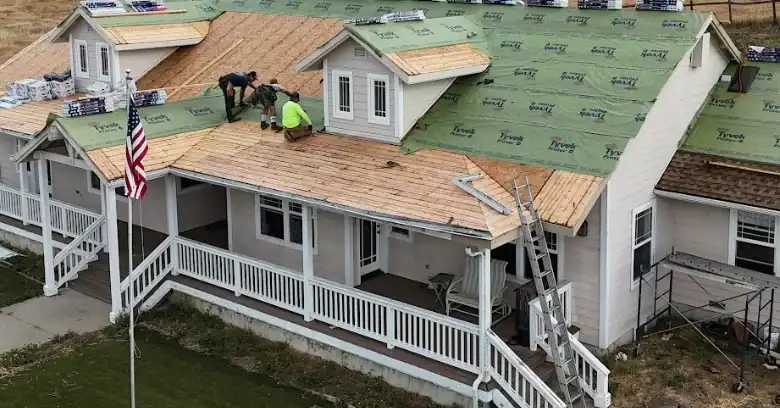
Choosing Roofer Companies Near Lompoc California?
Creative Roofing gives homeowners a plain picture of what it is like to hire and live with a work crew, for houses in Lompoc California and the area around it.
Call 805-723-2381 to start with a conversation and see how it feels.
The Trade in Plain Terms
People who put on roofs are skilled at heights, at flashing details and at reading how water moves across a surface, so ask what a roofer does most often. Someone who mostly installs on new builds may be less comfortable with a leak on an old roof, so match the roofer to the kind of work you need. Skill on a roof shows in the neat edges, the straight lines and the tight flashing, so ask how new crew members are trained. Larger jobs can involve a dumpster driver, a tile supplier and a person who handles the paperwork, and that is normal as long as the plan is clear. Ask which model you are dealing with so there are no surprises about who turns up, and what matters is clarity.
Where to Start Looking
Building supply counters, property managers and your own contacts are all useful sources, and a short list is easier to compare. Online photos help, but pictures of finished roofs do not show how the crew behaved, and impressions on the phone tend to hold up. Supply houses, property managers and your own contacts can all point you toward working crews, and gather a few names before you call anyone.
Getting Straight Answers
Ask what the roofer would do with the deck if it turns out to be damaged, and write the answers down so you can compare them. Ask whether photographs will be taken of hidden areas as the work goes on, and your notes will help later. Ask which parts of the old roof will be replaced and which will stay, and the same questions should go to each roofer on your list. Crew changes in the middle of a job can lead to uneven work and confusion about who is in charge, and organized companies tend to run smooth jobs.
What a Clear Scope of Work Includes
A written proposal should describe the materials, the areas covered, the preparation and the cleanup, and details on paper are easier to hold to. Look for a start window, an expected duration and a description of what happens if weather interferes, so read the fine print twice. The condition of the deck, the plan for rotted boards and the way hidden damage is handled all belong in writing, and the tone of the document says something about the roofer. Compare proposals by what they cover, not only by the total at the bottom, and take your time before you sign.
Red Flags and Good Signs
Rushing, dodging and vagueness are the three habits that should make you cautious, and a reputable roofer expects you to compare. Storm chasers arrive after bad weather with offers that expire quickly, and homeowners rarely benefit from the rush, so do not be hurried into a full contract. A crew that is careful with your property on the first visit will probably be careful on the roof, and the feeling you get matters. A willingness to put the plan on paper, answer questions twice and explain why they recommend a certain approach is reassuring, and it is worth more than a flashy truck.
What Happens Once the Job Begins
Pets and children should be kept away from the work area for safety, and a short note on the door keeps everyone informed. Clear the attic access, and cover stored items, since vibration from the work can shake dust loose, and neighbors will appreciate a warning. Check in with the crew lead at the end of the day rather than interrupting during the work, and the crew lead is the right person to ask. Windows facing the work should stay closed, and attic items should be covered, and a clean finish is a sign of a careful team.
Why Start Dates Move
Rain that arrives in bursts can push a start back by a day or a week, and gusty days are unsafe on a roof, and a missed day is usually a safe day. A flexible homeowner usually ends up with a smoother job than one who insists on a fixed date, so keep your phone close. Wildfire season brings smoke and wind alerts, and a careful crew pays attention to both, and a short pause beats a risky push. During a busy season, schedules can run weeks out, and that is a sign of demand, not a problem in itself, and temporary covers are standard practice.
Closing Out the Job Properly
Photographs of the completed roof and of the hidden stages belong in the record, so nothing is forgotten in the rush of finishing. Ask the lead to explain what was done at the valleys and how water is directed away from the walls, and a tidy finish usually reflects tidy work underneath. A roofer who stays in touch after the job is one worth recommending, so tell people about a good experience.
Where to Go From Here
Looking for Roofer Companies in Lompoc California is a lot less stressful when you can talk it through with a person, and the number is 805-723-2381. The most useful early conversation covers what you are seeing, what you are worried about and what outcome you hope for, and that is a perfectly good place to begin. You do not need to have a plan or a material in mind before you call, and the right next step usually becomes clear quickly. People ask about timelines, materials and what to expect from the work, and all of it is fair game, and a call is a low-pressure first move. Roofing is a relationship as much as a transaction, and it starts with how you are treated on the first call, and a conversation costs nothing. Mutual respect keeps a long project on track when the unexpected happens, so look for that quality early.
Verified

Verified
Verified
Verified
Verified






















