
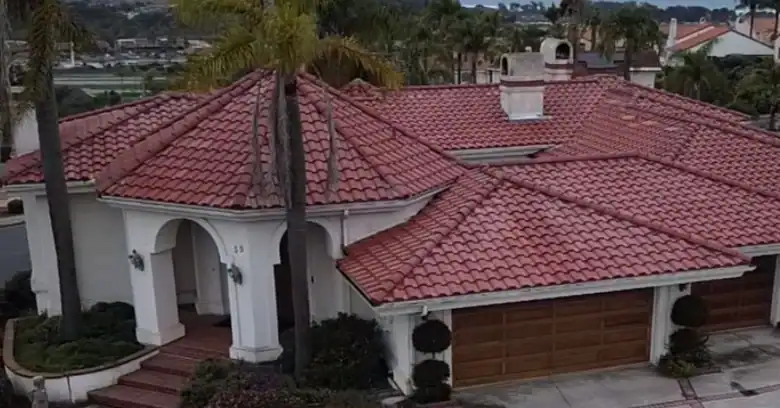
Thinking About Tile Roof Contractors in Lompoc California?
Creative Roofing installs, repairs and re-sets the heavy, long-lived coverings found on many homes in the region, for homes in Lompoc California and the towns around it.
Ring 805-723-2381 and we will explain what is involved.
How These Roofs Are Put Together
The surface you see is only the first line of defense on a roof like this, and the system works only when every piece is in place. Clay is formed and fired in a kiln, which gives it a rich natural color that does not fade, and the weight differs between materials.
Weight, Framing and What the House Can Carry
The weight of the roof is the first question to settle before changing from lighter material, and an engineer may be involved in a conversion. Even a roof originally built for heavy units can lose strength over time if water has damaged the wood, so ask who will assess the framing.
The Hidden Layer That Does the Work
Water gets under the pieces during wind-driven rain, and the underlayment carries it down and out, and a re-lay is the chance to replace it. Replacing the underlayment when the units are removed gives the roof a fresh start, and that is why age matters as much as appearance.
Sun, Heat and Dry Summers
Long dry summers are easy on the material itself, though the layers underneath age in the heat, and that is why roofs of this kind are so common in warm regions. Cosmetic wear is common and does not usually affect performance, and a little care goes a long way.
What Goes Wrong on the Surface
Falling branches and windblown debris can also crack pieces in a storm, and the damage may not show from the ground. A short inspection after any work on the roof catches damage early, and a good roofer will always carry a supply.
Where Pieces Meet Walls and Each Other
Every junction on the roof is a place where craft decides the outcome, so look at how the work is finished. The cap line at the top of the roof is one of its most exposed areas, and the repair is far less costly than water damage.
Seasonal Gusts and Embers
The method of attachment depends on the slope, the wind exposure and the local rules, and a little care goes a long way. A tight installation with proper closures resists embers better than a loose one, so ask how gaps will be kept closed.
Matching the Work to the Condition
The pieces on an old roof may be fine for many more seasons even when the underlayment has given out, so ask for an assessment of the underlayment. Replacing the covering gives the chance to upgrade the structure, the ventilation and the details, and the structure should be reviewed first.
Holding the Pieces Together
Modern installations often replace mortar with clips, screws or flexible adhesive that tolerate movement without failing, and it pays to think it through. Replacing these strips during a re-lay is inexpensive, and it improves both fire resistance and cleanliness, and they are often forgotten.
Dirt, Lichen and Cosmetic Wear
A gentle low-pressure wash can restore the appearance of a roof, but harsh pressure damages the surface and loosens the pieces, and the result can be striking. Cleaning is not a substitute for repairs, but it often reveals cracked pieces that were hidden by grime, so combine the two visits.
Felt, Synthetic and Self-Adhering Options
Choosing a durable underlayment is one of the best investments in a long-lived roof, since it is the layer that has to outlast the rest, and the choice should be in writing. Combining a sturdy base layer with extra protection at critical points gives a roof two lines of defense, and it pays to think it through.
Solar Panels, Skylights and Heavy Roofs
The best time to add rooftop equipment is when the roof is being re-laid, because the openings can be built in properly, and the decision deserves some planning. Satellite dishes, antennas and holiday lights are small additions that can break units if the installer is careless or the fasteners are driven in the wrong place, and the details are worth a closer look. Valleys and low points on a roof of this kind carry the heaviest flow in a downpour, and the units along their edges are cut to fit and sealed with care, and a small repair now prevents a leak later.
Weighing Clay Against Concrete
Clay units are fired at high temperature, and their color runs all the way through, so a chip or scratch does not show a different shade beneath, so ask to see samples of both. Samples of full-size pieces on a roof model show more than a catalog photograph ever can, and think about the neighbors as well.
Getting Specific About a Heavy Roof
Look for details on the underlayment type, the valley metal and the ridge system, and the details are what you are really buying. Ask how the crew will handle the pieces, where they will be stored and how breakage will be managed, and keep notes to compare later.
Planning a Re-Lay Step by Step
Work in stages keeps the house covered at the end of every day, so that a sudden rain does not find an open roof, and the result is a roof that looks as it did and performs like new.
Seasonal Readiness for a Tile Roof
Closure strips at the eaves and the ridge keep embers and animals out of the space beneath the units, so make it part of the late-summer routine.
Keeping Track of a Long-Lived Roof
A small stack of leftover pieces from the original job is worth more than almost any other record, since replacements are rarely identical, and it pays to think it through.
Tell Us What You Are Seeing
A conversation about Tile Roof Contractors in Lompoc California usually starts with the age and condition of the roof, with 805-723-2381 ready whenever you want to talk. Whether the roof is leaking now or you are planning ahead, an early conversation keeps your options open, and a little care goes a long way.
Verified

Verified
Verified
Verified
Verified






















