
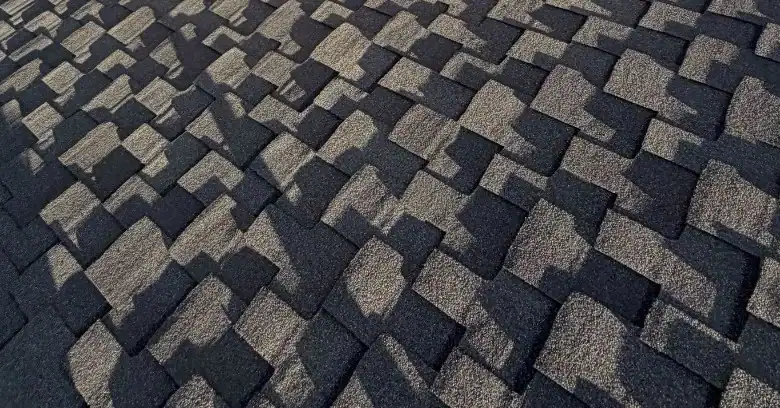
Choosing Architectural Shingle Roofing for a Home in Morro Bay California?
Creative Roofing lays asphalt, architectural and designer shingles over carefully prepared decks, throughout Morro Bay California and the neighboring communities.
Dial 805-723-2381 to talk through shingle styles and what suits the home.
What a Shingle Roof Is Made Of
Most roofs on houses here wear shingles built from a glass-fiber core with an asphalt skin, and the mat gives the piece its strength. Stone granules reflect part of the sun and keep the asphalt from baking, and it pays to think it through.
Choosing a Weight and Style
A three-tab shingle has a flat, uniform look and the thinnest profile of any common type, and the saving is real but so is the shorter life. Most new roofs on houses today use architectural shingles, which look richer and resist wind better, and the difference shows in the finished roof. Premium and luxury lines go further, with thicker laminates, deeper shadow lines and designer shapes, and the added weight is a benefit in wind.
Strong Sun on Asphalt
Long dry summers bake a shingle roof for months with very little relief from rain, and the difference shows how much the sun contributes. Curling, cracking and blistering are the typical signs of a shingle that has had too much heat, so they deserve attention before the rainy season.
Cool Shingles and Heat Gain
The color of a roof affects both its appearance and its temperature, and a little care goes a long way. Cool shingle lines are designed to lower roof temperatures without changing the look much, and the actual benefit depends on the house.
Nails, Courses and Starter Strips
Nails driven too high or too low weaken the hold of the whole course, and a crew that cuts corners here causes trouble later. Starter shingles at the bottom edge anchor the first row and keep wind from getting underneath, so a good crew follows the layout exactly. The cap shingles on a ridge take extra abuse from sun and wind, and it pays to think it through.
Seal Strips and Warm Weather
Heat from the sun is what finishes the job on a new roof, and checking for lifted tabs after a windy spell is a good habit. Pieces that blow off expose the underlayment, which is not meant to sit in the sun, so a loose shingle should not wait for the next storm.
Air Movement Under the Deck
A hot attic cooks the shingles from underneath, and the damage adds to what the sun does on top, and the eaves and the ridge are where the vents belong. More vents is not better, and mixing types can short-circuit the flow, and a roofer can assess the layout in a short visit.
Where Shingles Meet Everything Else
Modern synthetic underlayments resist tearing and last better in strong sun, and a better underlayment costs little in the whole job. Valleys are the crossing channels where two slopes meet, and they carry the most water on the roof, so quality work here matters a great deal.
Spotting Trouble Early
A roof that sheds grit, lifts at the edges and shows dark patches is reaching the end of its life, and early action keeps choices open. Isolated problems from a branch or a loose tab respond well to a simple repair, and it is easy to overlook. Putting money into a failing roof delays the inevitable and may cost more in the end, and a full replacement gives a fresh start.
What Lies Under the Existing Roof
Down to bare wood is how a careful crew starts, because new shingles are only as sound as the surface they are nailed to, and it pays to think it through. Local rules often limit the number of layers a roof may carry, and many roofers prefer a clean start in any case, and the decision deserves a little thought. Rotted boards and delaminated plywood are usually found around leaks, valleys and plumbing vents, so ask how surprises will be handled.
Debris, Magnets and Final Sweeps
Protecting the house is part of the work, not an extra, and the plan should say how landscaping and windows will be shielded, and move vehicles and furniture the night before. A professional crew checks the ground more than once, including the gutters, where granules and nails often collect, and that is worth keeping in mind. Gutters should be cleared of granules and debris once the new roof is on, since the first rains will wash any leftovers into the downspouts, and it costs little to keep them clear.
Choosing the Right Season for Shingles
Shingle work goes best in dry, mild weather, when the sealing strips bond quickly and the crew can leave the roof open without worry, and the busiest months fill up quickly. Heat is a normal part of summer roofing, and a good crew plans the day around it rather than fighting it, and patience pays off in the finished roof.
Skylights, Chimneys and Solar Panels
Each opening in a shingle roof needs flashing built in layers with the courses, and the work is easier when the roof is already open, and mention any plans to add more later. Replacing a roof beneath an existing array is a coordination job involving the roofer and the solar company, and the order of the work matters a great deal.
Matching Shingles After a Repair
New shingles set into a sun-faded roof usually look a shade darker or brighter, and the contrast softens only after a season or two of weather, and a small color difference is not a defect.
Carrying Water Away From the House
Without proper edging, rain can wick behind the shingles and attack the sheathing and fascia board over the following seasons, so look at them before the work starts.
Questions for a Shingle Roofer
Specific wording is the best protection against surprises, and a thorough contractor will be happy to explain. Check what happens if damaged sheathing is found once the old roof is off, and compare the replies from each company.
Start the Conversation
Homeowners weighing Architectural Shingle Roofing in Morro Bay California can begin by describing the house and the look they want, with 805-723-2381 ready whenever you want to talk. Planning ahead usually leads to better choices than reacting to an emergency, and that is worth keeping in mind.
Verified

Verified
Verified
Verified
Verified






















