
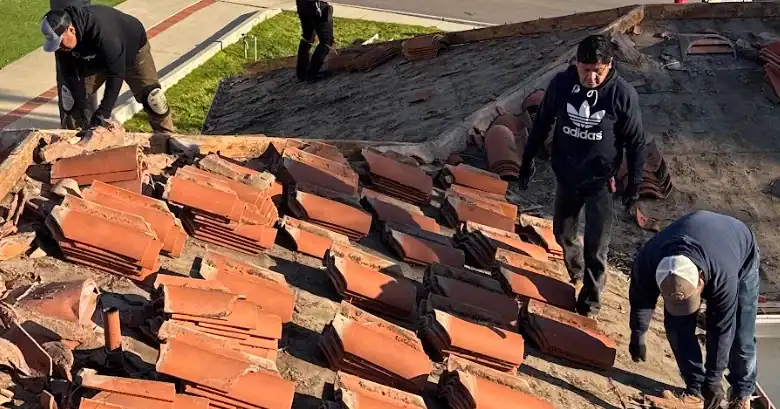
Ready for Clay Tile Roofer Contractors Throughout Morro Bay California?
Creative Roofing handles the underlayment, battens and hand-shaped details that a fired or molded roof depends on, throughout Morro Bay California and the neighboring communities.
Call 805-723-2381 and describe the roof and what you are seeing.
What Makes a Roof Out of Fired Clay or Molded Concrete Different
The surface you see is only the first line of defense on a roof like this, and the real waterproofing sits underneath. Both materials resist fire, which has made them popular where wildfire is a concern, and the look varies enormously.
Weight, Framing and What the House Can Carry
Heavy coverings put real stress on rafters, trusses and walls, which is why the structure is checked first, and an engineer may be involved in a conversion. A house that was built for shingles may not be safe under a full load of concrete, and the details are worth a closer look.
What Sits Beneath the Pieces
Beneath the visible surface lies a waterproof membrane that does the hard work, and it ages in the heat trapped under the pieces. Replacing the underlayment when the units are removed gives the roof a fresh start, and that is why age matters as much as appearance.
Sun, Heat and Dry Summers
The pieces rarely wear out from sun alone, which is why a well-built roof can last so long, and the weight helps with wind as well. Moss and lichen are less of a problem in dry summers, though shaded areas may collect some, and a roofer can tell the difference.
Finding Damaged Units
A piece cracks when someone steps on the wrong spot, and many are broken by workers on the roof for other reasons, so a close inspection from the roof is the only reliable method. Anyone who walks a roof of this kind needs to know where to step, because the wrong spot breaks the piece, and a good roofer will always carry a supply.
Flashing, Valleys and Ridges
Flashing along walls, chimneys and skylights has to be formed and shaped by hand around each piece, so look at how the work is finished. Cracked and crumbling mortar along the ridge lets water and wind get under the cap pieces, and it pays to think it through.
Wind, Fire and the Fastening Question
Nails, clips and foam adhesive are the common ways to secure units to the roof, and a little care goes a long way. A tight installation with proper closures resists embers better than a loose one, and the details are worth a closer look.
Repair, Re-Lay or Replace
A re-lay means lifting the units, replacing the underlayment and flashing, and setting the pieces back in place, so ask for an assessment of the underlayment. If the pieces are worn out, a re-lay would only reuse tired material, and the structure should be reviewed first.
Holding the Pieces Together
Cement bedding has been the traditional method for capping a ridge, but it is rigid and breaks as the roof flexes with temperature, and it pays to think it through. A missing eave closure is easy to spot from the ground as a dark gap along the lower edge of the roof, and they are often forgotten.
Looking After the Appearance
A gentle low-pressure wash can restore the appearance of a roof, but harsh pressure damages the surface and loosens the pieces, and the details are worth a closer look. Pressure washers can strip the coating from concrete units and force water under the overlaps, so they are best avoided or used with great care, and it is easy to overlook.
Specifying the Hidden Layer
The underlayment is the part of a roof of this kind that owners cannot see and roofers can easily skimp on, so it deserves specific attention in a proposal, and a thoughtful answer is a good sign. Self-adhering membrane is often used in valleys, around penetrations and along the eaves, where leaks are most likely to begin, and the extra layer is inexpensive protection.
Planning Equipment Around the Units
Special hooks and flashing kits exist for these roofs, and an installer who uses them keeps the surface watertight, and the answer should be written down. Telling every visitor about the fragility of the surface prevents a surprising amount of damage, and a short sign near the hatch helps. Clearing debris from valleys before the rainy season is the simplest way to protect the underlayment beneath them, and a small repair now prevents a leak later.
Two Materials, Two Personalities
Between the two, concrete is usually the more economical, while clay is prized for its authentic look and its long record of service, and compare how they look in daylight. Samples of full-size pieces on a roof model show more than a catalog photograph ever can, and a good supplier will lend a few.
Comparing Tile Roofing Proposals
A thorough proposal names the material, the underlayment, the flashing and the method of attachment, and the details are what you are really buying. Ask how the structure will be checked and what happens if damage is found, and the details are worth a closer look.
Planning a Re-Lay Step by Step
Each section of the roof is stripped down to the underlayment, repaired and covered with fresh waterproofing before the units go back, and the whole process takes patience.
Wildfire Season and Heavy Roofs
Clearing leaves and needles from valleys, gutters and the back of chimneys removes fuel that could ignite from a flying ember, and a tidy roof is a safer roof.
What to Save After a Restoration
Passing these records to the next owner of the house adds real value and saves them a good deal of guesswork, and it pays to think it through.
Next Steps for Your Roof
Homeowners weighing Clay Tile Roofer Contractors in Morro Bay California can begin by describing the house and the roof they have, and 805-723-2381 reaches someone who can help. There is no pressure in asking about your roof, and the roof will tell the story once someone looks.
Verified

Verified
Verified
Verified
Verified






















