
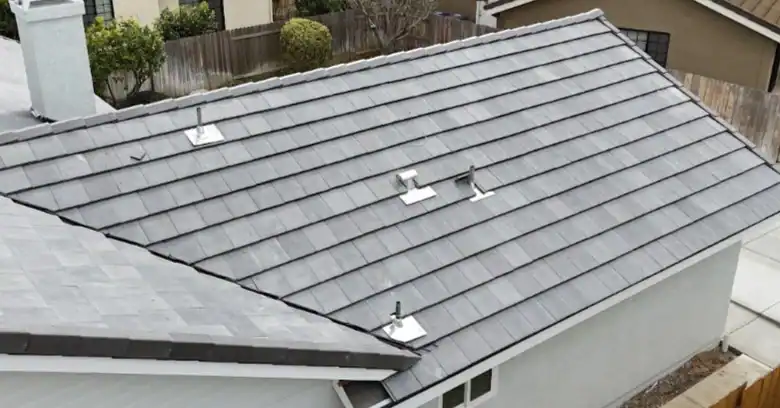
Researching Concrete Tile Roofs for a Home in Morro Bay California?
Creative Roofing installs, repairs and re-sets the heavy, long-lived coverings found on many homes in the region, for homes in Morro Bay California and the towns around it.
Call 805-723-2381 and we will explain what is involved.
Clay and Concrete Units in Plain Terms
Clay and concrete units are individual pieces hung on a roof, overlapping like fish scales to shed water, and the real waterproofing sits underneath. Concrete units are molded from cement and sand and colored through the body or on the surface, and the look varies enormously.
Load and Support
The framing is the foundation of any heavy roof, so a visual check is where the process begins. Rotted rafters or sheathing must be repaired before heavy material goes back on, and a careful contractor raises the issue unprompted.
Why Leaks Start Below the Surface
Water gets under the pieces during wind-driven rain, and the underlayment carries it down and out, so even a good surface can hide a tired layer. Modern synthetic and self-adhering underlayments last longer under high temperatures, and that is why age matters as much as appearance.
Why Tile Suits Hot Weather
The pieces rarely wear out from sun alone, which is why a well-built roof can last so long, and the color stays true for decades. A gentle wash and a clear sealer can refresh the appearance of an older roof, and a roofer can tell the difference.
What Goes Wrong on the Surface
A cracked unit lets water reach the underlayment, which is meant for backup rather than constant exposure, and the damage may not show from the ground. Asking other trades to avoid walking on the roof prevents a lot of broken pieces, so ask for a check after other work is done.
Flashing, Valleys and Ridges
Every junction on the roof is a place where craft decides the outcome, and metal valleys should be replaced during a re-lay. Repointing or replacing the ridge bedding is a routine part of keeping the roof in good shape, and it pays to think it through.
Seasonal Gusts and Embers
A roof with loose pieces is a hazard in a windstorm, and edges and ridges deserve the most attention. Bird stops and closures at the eave seal the openings where embers might enter, and the pieces themselves are only part of the answer.
Options for a Tired Roof
The pieces on an old roof may be fine for many more seasons even when the underlayment has given out, and the savings from a re-lay can be considerable. Spalling concrete, crumbling clay and widespread cracks are signs that the surface is at its end, and the new material can be a different type.
How Units Are Bedded and Secured
Foam adhesives are widely used to secure units, particularly in areas where wind is a concern, because they bond quickly and resist uplift, so ask how the pieces will be held in place. Eave closures and bird stops fill the gap beneath the lowest course, keeping out birds, rodents, leaves and windblown embers, and a good roofer checks them without being asked.
Dirt, Lichen and Cosmetic Wear
A gentle low-pressure wash can restore the appearance of a roof, but harsh pressure damages the surface and loosens the pieces, and a clean roof looks years younger. Cleaning is not a substitute for repairs, but it often reveals cracked pieces that were hidden by grime, and fix any breakage before the rains.
Felt, Synthetic and Self-Adhering Options
The underlayment is the part of a roof of this kind that owners cannot see and roofers can easily skimp on, so it deserves specific attention in a proposal, so ask which product is specified. Counter-battens add further airflow and reduce heat transfer into the attic, and it adds only modestly to the cost.
Planning Equipment Around the Units
Rooftop solar arrays and skylights need openings or mounting points cut through a roof of individual pieces, and each one has to be flashed with care, so coordinate the roofer with any other trade. Satellite dishes, antennas and holiday lights are small additions that can break units if the installer is careless or the fasteners are driven in the wrong place, and replacing a unit is far cheaper than repairing the leak. Metal valley liners should be inspected for rust, pinholes and loose edges, since they carry more water than any other part of the roof, and a ladder and a soft broom are often all you need.
How the Two Kinds Differ
Cast from cement and sand, concrete units take their color from pigment in the mix or from a coating applied to the surface, and compare how they look in daylight. Profiles vary from the rounded barrel shape seen on Spanish and Mediterranean homes to flat slabs and interlocking designs that look like slate or shake, so hold them against the house.
How to Weigh Two Bids
Look for details on the underlayment type, the valley metal and the ridge system, and compare two bids line by line. Ask how the crew will handle the pieces, where they will be stored and how breakage will be managed, and trust the tone of the conversation.
What Happens on Site
Sorting the units as they come off lets the roofer count how many replacements will be needed and order matching pieces, and the result is a roof that looks as it did and performs like new.
Wildfire Season and Heavy Roofs
Pieces that are cracked or slipped leave gaps, and in a region with wildfire season, gaps are where embers find a way into the roof, and a roofer can check them quickly.
Notes That Help the Next Owner
A note of the underlayment type, the flashing metal and the fastening method helps any roofer who works on the roof later, and it pays to think it through.
Ready to Look at Options
A conversation about Concrete Tile Roofs in Morro Bay California usually starts with the age and condition of the roof, so dial 805-723-2381 when it suits you. Calling before a problem becomes urgent makes it easier to compare materials and schedules, and the first step is just a phone call.
Verified

Verified
Verified
Verified
Verified






















