
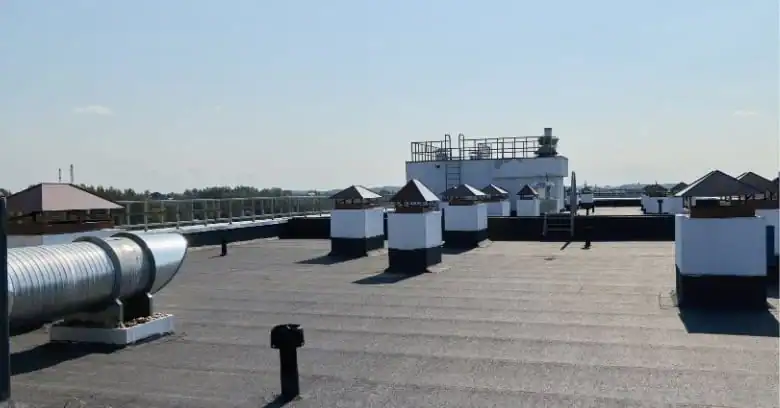
Researching EPDM Roof Installation Near Morro Bay California?
Creative Roofing repairs and replaces the level roofs that cap porches, patios, shops and modern homes, for properties in Morro Bay California and the towns around it.
Call 805-723-2381 to talk through repair, coating or replacement.
How a Flat Roof Differs From a Pitched One
A roof with barely any pitch is a different design problem from the ordinary sloped kind, and that is worth keeping in mind. Because water stays on the surface, small flaws that a pitched roof would forgive become leaks on a flat one, and the cost of a mistake is paid in repairs.
Membranes, Built-Up Layers and Coatings
Thermoplastic membranes are light-colored, reflective and joined by heat into one watertight skin, and installation requires trained hands. Rubber membranes are black or white, and the seams are joined with tapes or adhesives, and the seam tape is a point to watch over time. Gravel surfacing on a built-up roof protects the layers from sun and foot traffic, and repairs can be made in place.
The Weak Points of a Level Roof
Failures concentrate wherever the membrane stops or is cut, and the field is checked last. Termination bars and sealant hold the top edge of the membrane against the wall, and redoing sealant is routine upkeep.
Ponding, Drains and Rain Bursts
A roof that holds puddles is telling you about a low spot or a blocked drain, so check drains before the rains begin. Adding drains or enlarging scuppers helps when the old ones were undersized, and the details are worth a closer look.
How Heat Wears a Low-Slope Roof
Dark surfaces can reach temperatures much higher than the surrounding air, and a reflective finish lowers that stress. Liquid coatings are rolled or sprayed onto a sound roof to form a continuous reflective skin, and a coating cannot rescue a roof that is wet inside.
Anything That Pokes Through or Sits on Top
Skylights and hatches add edges that need careful flashing, and plugging with caulk is only a stopgap. Regular foot traffic wears a path in the surface unless it is protected, and a plan for traffic keeps the roof sound.
Matching the Work to the Roof
Localized seams, flashings and punctures can be fixed without touching the rest of the roof, and the key is an accurate diagnosis. These options depend on the condition of the insulation under the old surface, so be cautious of any bid that skips the testing. Starting fresh gives the best foundation for another long stretch of service, and it should be planned rather than rushed.
Level Roofs at Home
Many homes combine a pitched main roof with flat sections at the back or the sides, and the two meet in a joint that needs careful flashing, and the wrong material on a flat roof will leak. A low roof meeting a taller wall is among the most leak-prone details on a house, and it deserves close attention, and a thorough repair covers the whole junction. Pavers, decking and planters laid over a membrane protect it from the sun but hide it from view, and the details should be planned with the whole project.
Energy and the Low-Slope Roof
Rooms beneath a flat roof often feel warmest in late afternoon, when the surface has soaked up a full day of sun, so ask what insulation is part of the proposal. Water that gets into the insulation layer spreads sideways, so the damp area can be much larger than the visible stain on the ceiling, and that is worth keeping in mind.
Small Habits That Prevent Big Leaks
Walking the roof once a year, in a safe and careful way, reveals problems that are invisible from the ground, and a small repair now is nearly always cheaper. Standing water that remains for days after rain is worth reporting, even if no leak has appeared yet, and call early rather than late.
Holding a Membrane Down in a Gust
Gusts lift a flat roof from its edges and corners, where the pressure is highest, and a membrane that is not firmly attached there can peel back like the lid of a can, and a little care goes a long way. Raking the gravel back into an even layer is a routine job that keeps the protection continuous, and the gravel does a great deal of quiet work. Walkways, curbs and equipment supports need to be flashed and fastened as part of the membrane, and the details on a crowded roof take real time to do properly, and write everything down.
Skylights, Hatches and Vents on a Level Roof
Each opening is a separate detail, and each one should be listed in the written proposal, and that is worth keeping in mind. Plumbing vents, conduits and exhaust ducts pass through the membrane and need boots, collars or pitch pockets that suit the material, and every opening is one more detail to watch. Leaves and trash that collect around a drain strainer can cause the water level to rise until it overflows into the building, so check them often in the rainy months.
Comparing Flat Roofing Proposals
A good proposal names the membrane, its thickness, the attachment method and the insulation to be used, and a careful contractor will explain every line. Find out how drainage will be addressed and whether tapered insulation is included, and it is easy to overlook.
Preparing the Property for a Membrane Job
Hot-applied and adhesive systems give off smells while they cure, so windows and vents near the work area are usually closed for a day, and that is worth keeping in mind.
Short Answers About Low-Slope Roofing
Plenty of owners assume a membrane has to be replaced at the first sign of wear, when a repair or a coating would have done the job, and bring photographs if you have them.
Tell Us What You Are Dealing With
Those comparing EPDM Roof Installation in Morro Bay California can reach us by phone, with 805-723-2381 ready whenever you want to talk. Calling before a problem becomes urgent makes it easier to compare options and schedules, and we are glad to help you sort it out.
Verified

Verified
Verified
Verified
Verified






















