
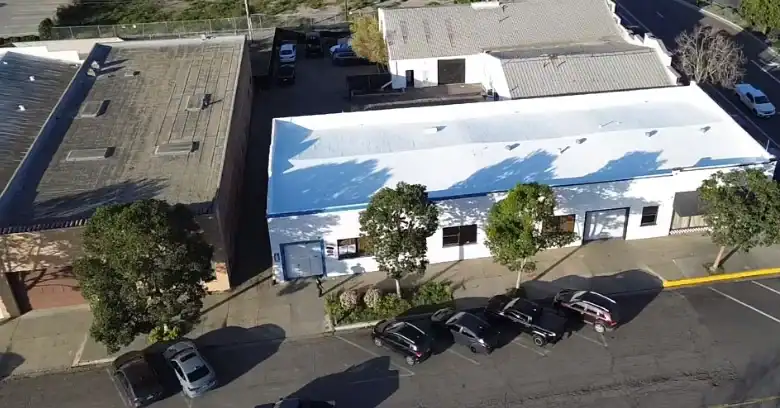
Researching Flat Roofing Contractors in Morro Bay California?
Creative Roofing installs membranes, coatings and built-up layers on roofs that barely shed water on their own, throughout Morro Bay California and the neighboring communities.
Ring 805-723-2381 and tell us about the flat roof you have.
A Roof With Almost No Slope
A flat roof is never truly flat, but its slope is so slight that water drains slowly and lingers, and the quality of the seams decides everything. A pinhole in a membrane or a gap in a seam lets in water that sits and keeps seeping, and it pays to think it through.
What Goes on a Low-Slope Roof
Thermoplastic membranes are light-colored, reflective and joined by heat into one watertight skin, and the quality of the welds is the main concern. The big rolls of rubber cover large areas with few seams, and the details are worth a closer look. Modified bitumen sheets are rolled out and torched or adhered in overlapping courses for a durable surface, so the structure has to carry it.
Details That Fail First
Most flat roof leaks start at a detail rather than in the middle of the roof, and that is worth keeping in mind. Termination bars and sealant hold the top edge of the membrane against the wall, and the work is simple for a roofer.
Ponding, Drains and Rain Bursts
Water that does not drain adds weight, breeds algae and ages the surface faster, and the first storm of the season shows the problems. A new roof is the best time to correct drainage problems for good, and it extends the life of the whole system.
How Heat Wears a Low-Slope Roof
Heat makes a membrane expand during the day and shrink at night, and the movement stresses seams and fasteners. Silicone, acrylic and elastomeric coatings are the main families used on flat roofs, so cleaning and repair come first.
Protecting the Surface From Wear
These openings are the most common leak sources, so they get the most attention in an inspection, so these spots deserve regular checks. Tools, ladders and dropped objects can cut a sheet, so care is required, and a quick look after any service visit catches new damage.
Choosing How Far to Go
A skilled roofer can patch a membrane so that the repair outlasts the surrounding area, and photographs help. When the surface is simply worn, a coating or an overlay can refresh it without a full tear-off, and wet insulation rules out a quick fix. Removing the old layers lets the deck be inspected and any damaged wood replaced, and that is worth keeping in mind.
Residential Low-Slope Roofing
Many homes combine a pitched main roof with flat sections at the back or the sides, and the two meet in a joint that needs careful flashing, and the repair needs a roofer who works with membranes. Siding, stucco and trim all have to be worked into the flashing, and the roofer has to cooperate with whoever finished the wall, so look at the wall as well as the roof. A roof used as living space has to meet higher standards than one that nobody walks on, and ask about drains and overflows.
Keeping Rooms Cool Below a Flat Surface
Rooms beneath a flat roof often feel warmest in late afternoon, when the surface has soaked up a full day of sun, and the savings show up in the cooling bill. Water that gets into the insulation layer spreads sideways, so the damp area can be much larger than the visible stain on the ceiling, so ask whether a survey is part of the process.
A Simple Maintenance Calendar
Drains, scuppers and gutters should be cleared first, since blocked outlets cause more damage than any other single fault, so make it a fixed date on the calendar. Standing water that remains for days after rain is worth reporting, even if no leak has appeared yet, and cover furniture beneath a drip.
Holding a Membrane Down in a Gust
Edge metal, copings and terminations have to be fastened to a set pattern and sealed at the joints, or wind will find the gap and work it open, so ask how the edges will be attached. Ballasted roofs hold the membrane down with a layer of smooth stone or pavers instead of glue or fasteners, and the weight is part of the design, so inspect the outlets after any disturbance. A careful roofer walks the roof beforehand and counts every penetration, then includes them all in the proposal, and a thorough walk-through prevents them.
Openings That Need Their Own Waterproofing
Skylights and roof hatches sit on raised curbs that are flashed into the membrane, and the quality of that flashing decides whether they leak, so ask how every opening will be handled. Plumbing vents, conduits and exhaust ducts pass through the membrane and need boots, collars or pitch pockets that suit the material, and it pays to think it through. Overflow scuppers set slightly higher than the main drains act as a safety valve when the primary outlet is blocked, and clear them after storms.
Reading Competing Bids
A bid that only says new flat roof does not tell you what you are buying, so ask for the details in writing. Ask how the crew will test the seams, how the old roof will be disposed of and how the interior will be protected, and notice who answers plainly.
Access, Fumes and Noise
Hot-applied and adhesive systems give off smells while they cure, so windows and vents near the work area are usually closed for a day, and tell the crew about pets and schedules.
Clearing Up a Few Misconceptions
A flat roof is not doomed to leak, and one that is well built and looked after can serve a property for a very long time, so do not hesitate to ask.
Next Steps for Your Roof
Those comparing Flat Roofing Contractors in Morro Bay California can reach us by phone, so use 805-723-2381 to set up the next step. Whether the roof is leaking now or you are planning ahead, an early conversation keeps your options open, so reach out whenever you are ready.
Verified

Verified
Verified
Verified
Verified






















