
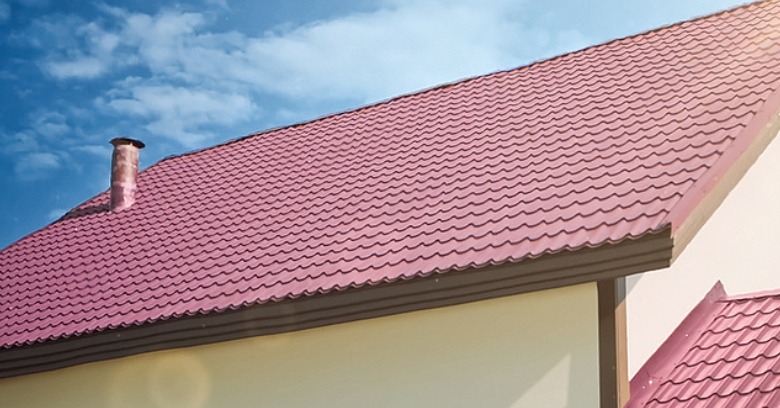
Thinking About Corrugated Metal Roofing Throughout Morro Bay California?
Creative Roofing builds and repairs metal roofs, from simple ribbed sheets to concealed-fastener systems, throughout Morro Bay California and the neighboring communities.
Phone 805-723-2381 and we will explain how a metal roof goes together.
What a Metal Roof Really Is
Every metal roof is a combination of panel, fastening method and finish, and the choices interact with one another. Copper and zinc are used on special projects and age with a distinctive patina, so the choice depends on the house and the budget.
Panel Styles You Will Hear About
Standing seam is the style most people picture when they think of a modern metal roof, and the system is generally more expensive than exposed-fastener types. Rounded corrugations and trapezoid ribs give the surface strength and a recognizable look, and the fasteners are the point to watch over time. Metal shingles and tiles are stamped to mimic slate, shake or clay while staying light, and it is easy to overlook.
Sun, Heat and Finish
The summer sun is the main test for a coating on a roof here, and lighter colors stay cooler. A pale panel reflects more solar energy than a dark one does, and the finish is only part of the picture.
Metal Grows and Shrinks Every Day
Temperature changes make panels grow and shrink along their length, and a little care goes a long way. Periodic tightening and replacement keeps the system watertight, and replacement screws are cheap.
Holding Metal Down in the Wind
Uplift is the force that matters on a lightweight covering, and it is easy to overlook. Gaps at the ridge are an easy way for leaves, dust and insects to get in, so ask about them in the proposal.
Ember-Resistant Details
Fire resistance depends on the entire assembly, but a metal surface is a strong start, and closures at the eave are part of the answer. Gutters, vents and the roof edge are where embers tend to collect and ignite materials, and a little care goes a long way.
The Real Story on Metal Roof Noise
The sound of weather depends on what is under the metal, and the deck and underlayment absorb most of it. A metal system does not replace insulation, but it can cooperate with it, and the results are noticeable in summer.
What Careful Installation Looks Like
The deck beneath a metal roof must be sound, smooth and securely fastened, and the details are written into a proper proposal. Transitions between slopes need precise cutting and folding, and it pays to think it through. Panels are cut to length, hemmed at the ends and fastened in a set order that keeps them straight, so patience on the first row saves trouble on the last.
Maintenance and Longevity
A metal roof asks for less work than most coverings, but it still deserves an occasional look, so keep the touch-up color the installer leaves behind. Choosing matching metals for trim, flashing and fasteners prevents a common failure, so ask about compatibility if the house already has metal parts.
Where the Water Goes
The first big rain of the season tests every drainage detail on a house, and that is worth keeping in mind. Overshooting is a known issue where a fast-draining roof empties straight over a gutter, and the installer should plan for it.
Retrofit Questions
A retrofit system uses strips or battens fastened over the old covering to carry the new panels, and hidden problems under old shingles stay hidden. Removing the old layers gives the new roof a clean start and exposes any damage underneath, and the details are worth a closer look.
Matching Panel to Pitch
A shallow roof demands a system with sealed or mechanically locked seams, and using a panel below its minimum invites leaks. Porches, patios and additions often have lower slopes than the main roof, and the result should look planned rather than patched.
Durability, Resale and Upkeep
Longevity is the main reason owners accept the higher up-front cost of metal, and it is worth paying for good installation. Homebuyers often view a metal roof as a selling point, especially in areas with wildfire concern, and future owners will appreciate it.
Lessons From Roofs That Struggled
Leaks around penetrations usually come from poor flashing details rather than bad panels, and asking for references is reasonable. Anyone who must go on the roof after installation should be careful where they step, and call a professional for anything serious.
Getting Specific About the System
Look for the base metal, the finish and the attachment method written out in plain terms, and compare two proposals line by line. Ask who will do the work and whether the crew has experience with this particular system, and listen to how the answers are given.
Picking a Color That Lasts
Most residential panels carry a factory-applied finish that is cured onto the metal in a controlled process, and check the sample for color stability. Matching trim to the panels keeps the roof looking uniform from the street, so view the sample at different hours. Asking the roofer about local requirements is a sensible first step, so make it part of the early conversation.
The Parts That Frame the Panels
Matching the gutters and trim to the panel color completes the look and ties the whole roofline together, and a neat edge is the mark of a careful crew. Leaf guards and wide gutters help keep a metal roof draining freely when the first rain follows a dry summer, and a quick look takes only a few minutes.
Why Metal Jobs Take a Little Longer to Start
Standard shingles can be delivered the next day, but metal panels and matching trim often have to be produced to order first, and ask for an honest estimate of the wait.
Talk to Us About a Metal Roof
People researching Corrugated Metal Roofing in Morro Bay California are welcome to call with questions, and 805-723-2381 reaches someone who can help. Whether the roof is leaking now or you are simply planning ahead, an early conversation keeps your options open, and the details are worth a closer look.
Verified

Verified
Verified
Verified
Verified






















