
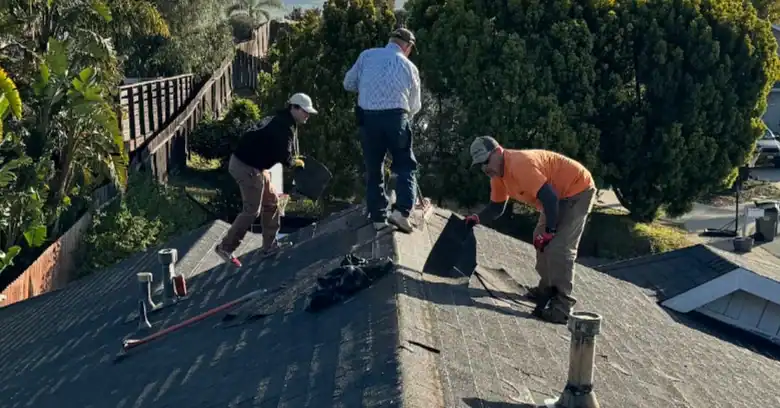
Thinking About Residential Roof Installation in Morro Bay California?
Creative Roofing stays with a roofing project from the first walk-around to the final check, serving Morro Bay California and the places close by.
Reach out at 805-723-2381 and we will talk through what the roof needs.
Before Anything Is Torn Off
Before any material is chosen, the existing roof has to be understood, and a rushed visit tends to cost more than it saves. Signs of wear on top often point to a moisture problem underneath, and that is the evidence a sensible plan is built on.
Months of direct sun take a steady toll on whatever covers a house, so the wear is rarely even from one side to the next.
Setting the Scope of Work
Whether to fix or replace comes down to the condition of the layers beneath the surface, and the reasons should be easy to follow. Ask to see the problem areas, either in photographs or from the ladder, since the plan should make sense to the person paying for it.
Rotted or soft sheathing changes the plan and often the schedule, so a note on how it will be handled saves arguments later.
Shingle, Tile or Metal
Most houses here wear one of three coverings, and the choice shapes everything else, and the style of the neighborhood often plays a part. Lighter colors reflect more of the summer sun, while darker ones soak it up, so hold a sample against the house in daylight.
Planning for Rain and Heat
Roof work is easiest to schedule in the long dry stretch between rains, and it pays to think it through. Roof surfaces get hot enough in July to change how materials behave, and finishing early keeps people and materials in better shape.
Tear-Off and Preparation
The existing covering is stripped away and the deck is left exposed for inspection, and debris goes into a bin or trailer rather than onto the lawn. The deck is checked, mended and made flat for the next layer, because new material is only as good as what it is fastened to.
Underlayment and Drying In
Much of the protection a roof offers is out of sight, and metal edging is set at the eaves and rakes before the covering. The house is safest once the second layer is complete, so the rest of the work can proceed without worry.
Small Metal Pieces, Large Consequences
The places where a roof is interrupted are the places most likely to leak, since worn metal under new material becomes the weak link. Plumbing vents are among the most common sources of small leaks, and a little care goes a long way.
Intake and Exhaust
A roof without enough ventilation bakes the attic and everything stored in it, so vents near the ridge give the hot air a way out. More vents are not always better, because intake and exhaust have to be balanced, because airflow is easy to plan now and hard to add later.
Finishing the Job
A finished roof still leaves a yard full of scraps, nails and packaging, and covers come off the landscaping and the beds are inspected. Keeping a short record of the materials used helps with later maintenance, so keep the paperwork and pictures together.
Approvals Before the Work Starts
Rules about reroofing differ from one city to the next, so it is fair to ask who pulls the permit. Wildfire concerns have changed what many local codes ask of a roof, since the covering you pick has to be one the town accepts. The best paperwork leaves little room for misunderstanding, and it is worth reading it slowly.
Protecting the House and Yard
The ground around a house takes a beating during a roof project, and that is worth keeping in mind. Moving vehicles out of range for the day is a simple precaution, and a little planning prevents most accidents. Inside the house, vibration can shake items from shelves and loosen attic insulation, so it is wise to take down fragile pictures first.
The Few Days of Commotion
The calendar for a job is set by the roof, not by the wish list, and the details are worth a closer look. Neighbors appreciate a heads-up before the noise begins, and early starts mean early noise. The loudest stretch is the tear-off, and it passes quickly, and everything returns to normal once the crew packs up.
Getting Clear Before the Work Begins
Ask what will be done with the old material and how the deck will be handled, and anything left vague deserves a follow-up. Ask for the materials by name and manufacturer so you can look them up, and take your time reading it. Ask what happens if something unexpected turns up under the old roof, and the details are worth a closer look.
Small Habits That Extend Roof Life
A roof needs less attention than most parts of a house, but it needs some, and it is easy to overlook. Overhanging trees drop material that collects in corners and valleys, so it is worth doing before summer ends. Waiting on a small problem usually makes it more expensive, and a photograph helps explain what you saw.
Spring, Summer or Fall
A roof replaced on purpose goes better than one replaced in a panic, and a little care goes a long way. Any month can work with the right planning and a willingness to move a day, and the details are worth a closer look.
Checking the Space Beneath the Deck
Rust on the points of roofing nails and dark patches on the sheathing are signs that moisture has been present for some time, and bring a flashlight if you can.
Getting Started in Morro Bay California
A call is the simplest way to begin planning work in Morro Bay California, and the number is 805-723-2381. Large or small, a roofing project goes best when the plan is clear before the work starts, and the roof will tell the story once someone looks. The decision often feels bigger before the call than it turns out to be, and that is a good place to begin.
Verified

Verified
Verified
Verified
Verified






















