
Searching for Residential Roofing Installation Serving Morro Bay California?
Creative Roofing takes a roofing job from the first look to the last sweep of the yard, across Morro Bay California and the neighboring communities.
Dial 805-723-2381 to start a conversation about the roof over your head.
The First Step in a Roofing Project
A roofing project begins with a close look at the surface, the edges and the pipes, and that is worth keeping in mind. The roofer checks the surface, the flashing, the vents and the gutter line, then the attic if it can be reached, so the visit usually takes longer than people expect.
Sun and heat age a roof in ways that rain alone never would, and a roofer who knows the area expects exactly that.
Setting the Scope of Work
A roof can be repaired, partly rebuilt or removed entirely, and the evidence decides what is done, and the recommendation should come with the reasons attached. Damage should be shown rather than only described, so do not feel awkward about asking.
Wood that has been wet for a long time has to be cut out and replaced, and nobody should be surprised when it happens.
Picking a Roof Covering
Most houses here wear one of three coverings, and the choice shapes everything else, but the framing and the slope decide more than preference does. A roof that faces strong sun all afternoon behaves differently depending on its shade, and it pays to look at them at different times of day.
Scheduling Around the Weather
Roof work is easiest to schedule in the long dry stretch between rains, so exposed areas get covered at the end of each day. Crews often start early in summer to get ahead of the hottest hours, and a little care goes a long way.
Removing the Old Roof
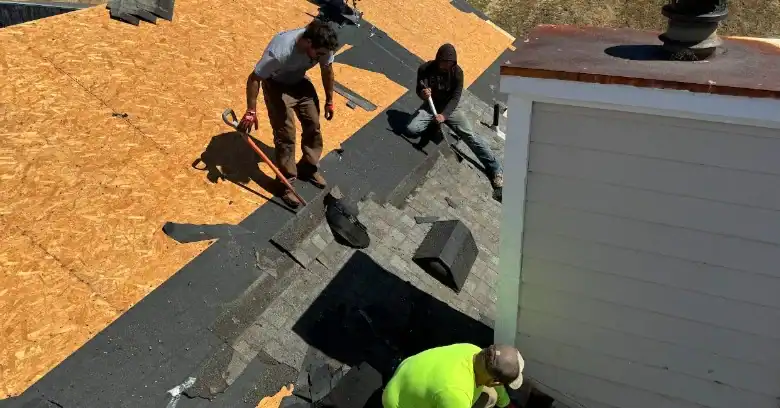
Tear-off gives the first real view of the structure under the roof, and protecting the driveway and plants is worth asking about. The deck is checked, mended and made flat for the next layer, since good materials laid over a weak deck do not last.
Underlayment and Drying In
Beneath every roof is a membrane that catches whatever the surface lets through, and it is easy to overlook. With the barrier in place the roof can shed rain even before the covering is finished, and rows are laid from the eave upward, each lapping the last.
Where Roofs Meet Walls and Pipes
The places where a roof is interrupted are the places most likely to leak, and the cost is small next to the roof it protects. Sun dries and cracks the flexible parts over time, and a little care goes a long way.
Ventilation in a Warm Climate
Attic heat is behind many worn roofs and many large cooling bills, since warm air rises on its own when it is given a path. A ventilation plan is worth a conversation before the job starts, and it is easy to overlook.
Finishing the Job
When the last piece is installed, the cleanup begins, so gutters are checked and cleared of loose granules. Photographs of the completed work are worth having for your own records, and it only takes a few minutes.
Local Rules and Paper Trails
Local requirements shape the job before the first shingle is touched, and the answer should be clear from the start. Wildfire concerns have changed what many local codes ask of a roof, and the proposal should reflect them. A proposal that names its materials and steps is easier to compare, because what is written down is what everyone remembers.
Keeping the Property Safe
Heavy materials, ladders and falling pieces all share the space around the walls, and a careful crew sets them before the work begins. Children and animals should stay clear of the yard while the work is underway, so tell the crew about anything fragile or valuable. The attic gets dusty during tear-off, and anything stored there will notice, and a little care goes a long way.
Living Through a Roof Project
Timing depends on the size of the roof, the complexity of the layout and the covering chosen, and the details are worth a closer look. A quick word with the people next door can head off complaints, and early starts mean early noise. Pets are often the ones most bothered by the commotion, and that is worth keeping in mind.
What to Ask Every Roofer
Ask what will be done with the old material and how the deck will be handled, and listen to how the answer is given. Product names and thicknesses on the proposal let you compare like with like, so ask before you sign anything. A change in scope should be written down and approved before the work continues, and keep the discussion friendly but specific.
Looking After a New Roof
Even a new roof benefits from an occasional look from the ground, and the best times are before the rainy season and after the first big storm. Keep the gutters clear of leaves and needles, especially at the end of the dry season, and that is worth keeping in mind. Early attention to a leak is almost always cheaper than late attention, so do not wait for the next storm.
Timing a Roof Project Through the Year
Many homeowners wait until a leak appears before they think about a roof, and the schedule fills quickly once the rains end. Spring can bring the first showers, so flexibility helps, and the details are worth a closer look.
What the Crew Sees Inside the House
Insulation in the attic that is compressed, wet or missing should be noted, since a new roof is a good time to fix the whole assembly, so ask the roofer to look inside as well.
Start the Conversation
Anyone researching Residential Roofing Installation in Morro Bay California is one call away from a straight answer, so use 805-723-2381 to talk through the roof and the next step. Every roof is different, so every conversation starts from the house itself, so there is no harm in asking questions first. Putting off a roof question rarely makes it easier to answer, so pick up the phone when you are ready.
Verified

Verified
Verified
Verified
Verified






















