
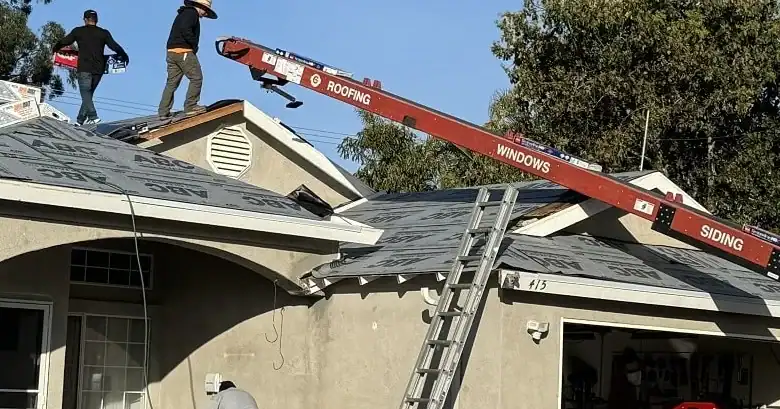
Searching for Roof Replacement Around Morro Bay California?
Creative Roofing takes a roofing job from the first look to the last sweep of the yard, serving Morro Bay California and the places close by.
Dial 805-723-2381 and describe the project you have in mind.
Where a Roofing Job Begins
A roofing project begins with a close look at the surface, the edges and the pipes, and that is worth keeping in mind. The roofer checks the surface, the flashing, the vents and the gutter line, then the attic if it can be reached, and that is the evidence a sensible plan is built on.
Months of direct sun take a steady toll on whatever covers a house, so the south and west slopes get the closest attention.
Repair, Patch or Replace
Whether to fix or replace comes down to the condition of the layers beneath the surface, and the details are worth a closer look. Damage should be shown rather than only described, since the plan should make sense to the person paying for it.
Hidden damage found during tear-off is the usual reason a project grows beyond its first outline, so a note on how it will be handled saves arguments later.
Shingle, Tile or Metal
The common choices are shingle, tile and metal, and each suits some houses better than others, since heavy coverings need a frame built to carry them. The shade of a roof affects how hot it runs in July, and that is worth keeping in mind.
Planning for Rain and Heat
Dry months are the busy season for roofing, since an open roof and rain do not mix, and crews watch the forecast closely. Crews often start early in summer to get ahead of the hottest hours, and finishing early keeps people and materials in better shape.
Getting to a Clean Surface
The existing covering is stripped away and the deck is left exposed for inspection, and debris goes into a bin or trailer rather than onto the lawn. Soft or split sheathing is cut out and new panels are fastened down, and it is easier to fix now than after the roof is finished.
Waterproofing Beneath the Surface
Beneath every roof is a membrane that catches whatever the surface lets through, so self-adhering membrane goes where leaks tend to begin. The house is safest once the second layer is complete, and the visible covering goes on from there.
Where Roofs Meet Walls and Pipes
Flashing is the thin metal that keeps water out where the roof meets something else, and it pays to think it through. Sun dries and cracks the flexible parts over time, and a new roof should not depend on a seal that is already tired.
Ventilation in a Warm Climate
Warm air trapped under the deck works on the roof from below, and vents at the eaves let cooler air in. More vents are not always better, because intake and exhaust have to be balanced, and it is easy to overlook.
Leaving the Property Clean
A finished roof still leaves a yard full of scraps, nails and packaging, and that is worth keeping in mind. A walk around the finished roof with the roofer is a reasonable thing to ask for, so keep the paperwork and pictures together.
Permits and Paperwork
Municipal offices have their own expectations for roof work, so it is fair to ask who pulls the permit. Certain hillside and edge-of-town areas follow stricter material rules than the valley floor, and the details are worth a closer look. A clear proposal lists what will be removed, what will be installed and what happens if the deck needs work, because what is written down is what everyone remembers.
Keeping the Property Safe
The ground around a house takes a beating during a roof project, and plants and patio furniture are moved or covered. Moving vehicles out of range for the day is a simple precaution, and it pays to think it through. Light fixtures and wall hangings can shift when a roof is being removed above them, and a sheet over stored boxes keeps the grit off.
What the Household Should Expect
Timing depends on the size of the roof, the complexity of the layout and the covering chosen, and the crew should give you a realistic window. Dumpsters and trucks may take up space on the road, and most people are tolerant when they know what to expect. Working from home during a roof job is possible, though not always pleasant, so consider a day out of the house if you can.
What to Ask Every Roofer
Ask what will be done with the old material and how the deck will be handled, and it pays to think it through. Knowing exactly what is going on the house removes a common source of disputes, and it should be written on the proposal. Talk through how changes to the plan will be handled and agreed, and it is better to know in advance.
Looking After a New Roof
Checking the roof twice a year takes only a few minutes, and binoculars make the job easy. Sweeping leaves off the roof and out of valleys prevents trouble, and it also reduces fire risk in dry months. Call a roofer after a major wind event or if you see a stain on a ceiling, and it pays to think it through.
Spring, Summer or Fall
Planning ahead usually gives better choices than reacting to an emergency, and a little care goes a long way. Early fall is popular because the weather is still dry and the heat has eased, and the covering you choose affects the timing as well.
Insulation, Ducts and Cables Under the Roof
Rust on the points of roofing nails and dark patches on the sheathing are signs that moisture has been present for some time, so ask the roofer to look inside as well.
Getting Started in Morro Bay California
A call is the simplest way to begin planning work in Morro Bay California, so dial 805-723-2381 and say what you are seeing. Whether the job is a small section or a whole house, the questions are much the same, and that is worth keeping in mind. Putting off a roof question rarely makes it easier to answer, so pick up the phone when you are ready.
Verified

Verified
Verified
Verified
Verified






















