
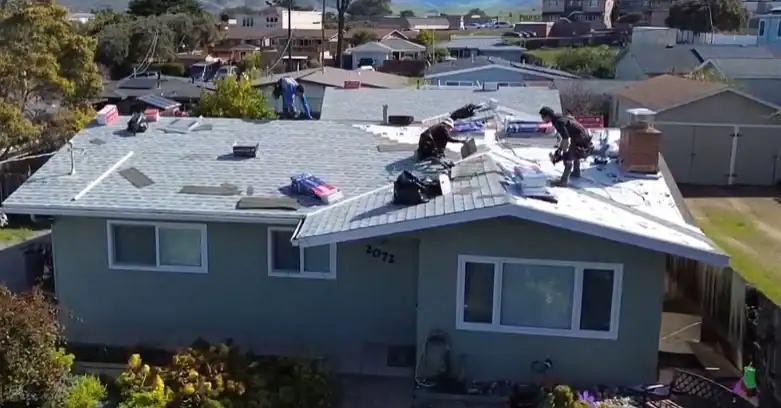
Searching for Roofing Maintenance Serving Morro Bay California?
Creative Roofing handles the planning, the tear-off and the cleanup of a roof job, working in Morro Bay California and nearby.
Dial 805-723-2381 to start a conversation about the roof over your head.
Day One of a Roof Project
The first visit is about gathering facts rather than picking a product, because the rest of the plan rests on the findings from that look. The roofer checks the surface, the flashing, the vents and the gutter line, then the attic if it can be reached, and each one goes into the notes.
Long dry summers and strong sun leave their mark on nearly every roof in California, so the south and west slopes get the closest attention.
Deciding What the Roof Needs
A roof can be repaired, partly rebuilt or removed entirely, and the evidence decides what is done, and the details are worth a closer look. Findings that cannot be pointed to are findings worth questioning, because you are the one living under the result.
Rotted or soft sheathing changes the plan and often the schedule, so a note on how it will be handled saves arguments later.
Choosing Materials for Your Home
Asphalt shingles, concrete or clay tile and standing seam metal are the coverings most often put on homes here, since heavy coverings need a frame built to carry them. Color deserves more thought than it usually gets, and it pays to look at them at different times of day.
Planning for Rain and Heat
Roof work is easiest to schedule in the long dry stretch between rains, so exposed areas get covered at the end of each day. The temperature on the roof can run well above the temperature in the shade, and the plan bends to the heat rather than the other way around.
What Happens on Demolition Day
Old roofing comes off in layers, down to the bare decking, so landscaping and windows are covered before the first piece comes up. Sound wood is the base everything else depends on, since good materials laid over a weak deck do not last.
What Goes Down First
Underneath the visible covering sits a water-resistant layer that does much of the work, and it is easy to overlook. The house is safest once the second layer is complete, and that is worth keeping in mind.
Flashing and the Fiddly Parts
Water finds the joints first, so flashing matters, since worn metal under new material becomes the weak link. The seal around a vent pipe rarely lasts as long as the surface around it, and putting in new boots costs little when the roof is already open.
Intake and Exhaust
Warm air trapped under the deck works on the roof from below, and vents at the eaves let cooler air in. The design of the system matters more than the number of vents, because airflow is easy to plan now and hard to add later.
Finishing the Job
A finished roof still leaves a yard full of scraps, nails and packaging, so gutters are checked and cleared of loose granules. Keeping a short record of the materials used helps with later maintenance, and it makes future repairs and sales smoother.
Local Rules and Paper Trails
Depending on the town, a re-roof may need a permit before any material is ordered, so it is fair to ask who pulls the permit. Wildfire concerns have changed what many local codes ask of a roof, and the details are worth a closer look. A proposal that names its materials and steps is easier to compare, so compare any two side by side.
Shielding Windows, Plants and Patios
The ground around a house takes a beating during a roof project, and plants and patio furniture are moved or covered. Pets, children and cars are best kept away from the work area, and a little planning prevents most accidents. Hammering on the deck above can rattle a ceiling and drop dust into the rooms below, and a sheet over stored boxes keeps the grit off.
Disruption and How to Manage It
Timing depends on the size of the roof, the complexity of the layout and the covering chosen, and nobody can promise a date through a rain delay. Neighbors appreciate a heads-up before the noise begins, and most people are tolerant when they know what to expect. Working from home during a roof job is possible, though not always pleasant, so consider a day out of the house if you can.
Questions Worth Asking Before You Agree
Find out who will be on the roof and who will be in charge of the job, and write the answers down. A proposal that only says shingles or tile is not specific enough, and a good roofer will be glad you asked. A change in scope should be written down and approved before the work continues, and the details are worth a closer look.
Looking After a New Roof
Checking the roof twice a year takes only a few minutes, so put it on the calendar like any other chore. Sweeping leaves off the roof and out of valleys prevents trouble, so it is worth doing before summer ends. Waiting on a small problem usually makes it more expensive, so do not wait for the next storm.
Timing a Roof Project Through the Year
Many homeowners wait until a leak appears before they think about a roof, and a calm decision is nearly always a better one. Early fall is popular because the weather is still dry and the heat has eased, and the covering you choose affects the timing as well.
Checking the Space Beneath the Deck
Looking at the roof from inside the attic before the work begins reveals water stains, damp insulation and daylight where none should enter, and bring a flashlight if you can.
Start the Conversation
Anyone researching Roofing Maintenance in Morro Bay California is one call away from a straight answer, and the number is 805-723-2381. Every roof is different, so every conversation starts from the house itself, and we are glad to talk through the options. A short conversation can turn a vague worry into a clear plan, and nobody will rush you.
Verified

Verified
Verified
Verified
Verified






















