Considering Tile Roof Installation in Morro Bay California?
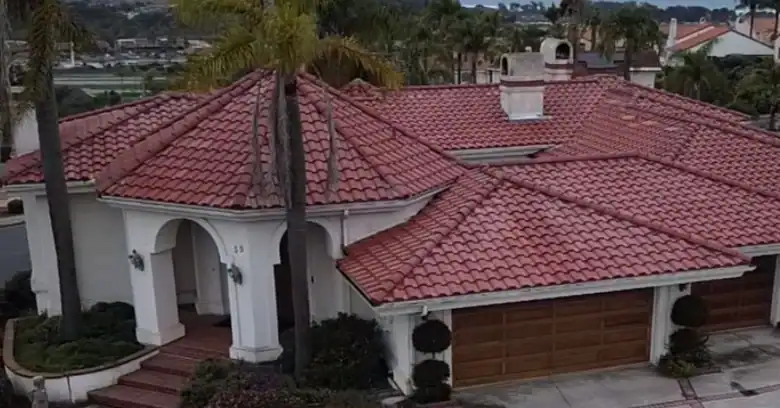
Creative Roofing works with clay and concrete roofing units, from a single cracked piece to a full re-lay, throughout Morro Bay California and the neighboring communities.
Ring 805-723-2381 and we will explain what is involved.
What Makes a Roof Out of Fired Clay or Molded Concrete Different
Clay and concrete units are individual pieces hung on a roof, overlapping like fish scales to shed water, so the layers below matter more than most people expect. Natural clay holds its color for a very long time, while concrete may need more attention to its finish, and the look varies enormously.
Weight, Framing and What the House Can Carry
Many houses built for tile are designed to carry it, while others would need reinforcement, and it should happen before materials are ordered. Rotted rafters or sheathing must be repaired before heavy material goes back on, and the cost of that work belongs in the plan.
What Sits Beneath the Pieces
The membrane is out of sight, which is why it is easy to forget, and a re-lay is the chance to replace it. Modern synthetic and self-adhering underlayments last longer under high temperatures, so ask what product will go under the units.
Strong Sun and Fired Surfaces
Air circulating under the curved shapes helps keep the house cooler in summer, and that is why roofs of this kind are so common in warm regions. Moss and lichen are less of a problem in dry summers, though shaded areas may collect some, and a roofer can tell the difference.
What Goes Wrong on the Surface
Falling branches and windblown debris can also crack pieces in a storm, so a close inspection from the roof is the only reliable method. A short inspection after any work on the roof catches damage early, and keep spare pieces from the original installation.
Edges and Intersections
Metal flashing and sealant protect these joints, and both age in strong sun, so look at how the work is finished. Ridge and hip pieces are bedded in mortar or fastened with mechanical systems, and the old mortar often fails before the roof does, and the repair is far less costly than water damage.
Holding Heavy Pieces in Place
Nails, clips and foam adhesive are the common ways to secure units to the roof, and local rules in windy areas may require specific fastening. Bird stops and closures at the eave seal the openings where embers might enter, and local rules may set requirements for roof assemblies.
Deciding What an Aging Roof Needs
The pieces on an old roof may be fine for many more seasons even when the underlayment has given out, and the savings from a re-lay can be considerable. Replacing the whole roof is the right call when the pieces themselves are failing, the framing is damaged or the style no longer suits the house, so it is a time to consider all the options.
Ridge Bedding and Edge Details
Cement bedding has been the traditional method for capping a ridge, but it is rigid and breaks as the roof flexes with temperature, and the best answer is specific to your roof. Replacing these strips during a re-lay is inexpensive, and it improves both fire resistance and cleanliness, and a good roofer checks them without being asked.
Washing, Sealing and Surface Care
Dark streaks and patches of lichen are common on north faces and under trees, and they are mostly a cosmetic issue, and a sealer can slow the return of stains. Cleaning is not a substitute for repairs, but it often reveals cracked pieces that were hidden by grime, and it is easy to overlook.
Felt, Synthetic and Self-Adhering Options
Choosing a durable underlayment is one of the best investments in a long-lived roof, since it is the layer that has to outlast the rest, and a thoughtful answer is a good sign. A sticky rubberized sheet seals around fasteners and clings to the deck, providing waterproofing even if the surface layer is breached, and it pays to think it through.
Penetrations Through Fragile Surfaces
The best time to add rooftop equipment is when the roof is being re-laid, because the openings can be built in properly, and ask who is responsible for the seals. Telling every visitor about the fragility of the surface prevents a surprising amount of damage, and a short sign near the hatch helps. When rain arrives in a sudden burst after months of dry weather, the valley is the first place where a defect shows, so make valleys the first stop on any check.
Picking the Right Unit for the House
Cast from cement and sand, concrete units take their color from pigment in the mix or from a coating applied to the surface, and the better choice depends on the house and the budget. Samples of full-size pieces on a roof model show more than a catalog photograph ever can, so hold them against the house.
Comparing Tile Roofing Proposals
The written scope should say whether the existing units will be reused and who will supply replacements, and a clear proposal reflects a careful crew. Find out whether the crew has experience on heavy roofs and can show examples of finished work, and keep notes to compare later.
What Happens on Site
A re-lay begins with the units being lifted in sections, stacked carefully and sorted so that sound pieces are kept and broken ones are set aside for replacement, and the crew has to be careful with every piece.
What to Do Before Summer Ends
Closure strips at the eaves and the ridge keep embers and animals out of the space beneath the units, and that is worth keeping in mind.
Notes That Help the Next Owner
After a re-lay or a repair, keep the photographs, the proposal and a few spare units stored somewhere safe, because color and profile matching gets harder with time, and it pays to think it through.
Start the Conversation
A conversation about Tile Roof Installation in Morro Bay California usually starts with the age and condition of the roof, so dial 805-723-2381 when it suits you. Whether the roof is leaking now or you are planning ahead, an early conversation keeps your options open, and the roof will tell the story once someone looks.
Verified

Verified
Verified
Verified