
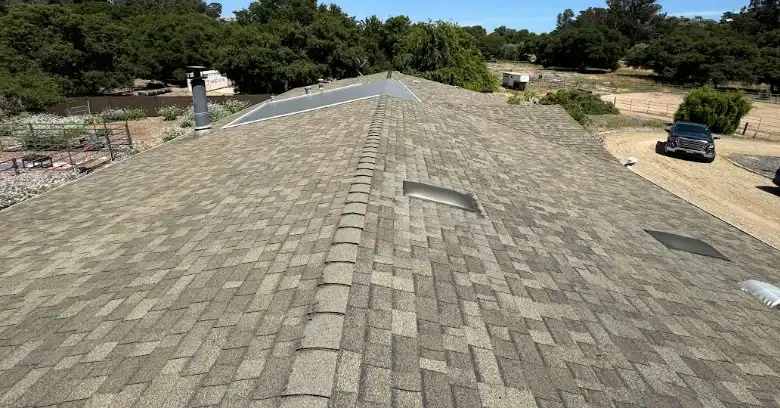
Comparing Architectural Shingle Roof Services in Nipomo California?
Creative Roofing handles shingle roofing from the first nail to the last ridge cap, across Nipomo California and nearby.
Dial 805-723-2381 to talk through shingle styles and what suits the home.
The Anatomy of an Asphalt Shingle
The common residential shingle starts as a reinforcing mat, which is coated with asphalt and then surfaced with mineral granules, and the granules protect the asphalt from the sun. Stone granules reflect part of the sun and keep the asphalt from baking, and the process only gets faster over time.
Three-Tab, Architectural and Designer Lines
A three-tab shingle has a flat, uniform look and the thinnest profile of any common type, and fewer new roofs use it today. Most new roofs on houses today use architectural shingles, which look richer and resist wind better, and the difference shows in the finished roof. Designer shingles are heavier and carefully styled to resemble natural slate or cedar, and the framing should be checked before choosing the heaviest types.
Strong Sun on Asphalt
Hot weather and strong sun dry the oils in asphalt, leaving the surface stiff and brittle, and the difference shows how much the sun contributes. Blisters appear when trapped moisture or heat pushes up the surface, and each one is a place a leak can start.
Picking a Shade That Works in the Sun
The color of a roof affects both its appearance and its temperature, and a little care goes a long way. A reflective product can ease the burden on air conditioning, and local rules sometimes encourage them.
How Shingles Are Laid
Fastening is the quiet detail that separates a durable roof from a poor one, so ask how many nails go into each shingle. A starter strip along the eave and the rake gives the first course a sealed edge and extra grip, so a good crew follows the layout exactly. Ridge caps finish the roof where two slopes meet and shed water over the crest, so the details at the top deserve attention.
How Shingles Resist Wind
A shingle that never sealed can lift and flap in a gust, and the nails hold the rest. Wind rarely harms a well-sealed roof, but it finds every weak spot on an old one, and the details are worth a closer look.
Balanced Intake and Exhaust
A balanced system of intake and exhaust keeps the temperature under the roof closer to the air outside, and ridge vents work well with soffit intake. Attic fans, gable vents and ridge vents each work differently and should not fight each other, and a roofer can assess the layout in a short visit.
Where Shingles Meet Everything Else
Felt paper or synthetic sheets cover the deck and give a second line of defense, and the choice affects how the roof performs. Chimneys, walls and skylights need step flashing and counterflashing worked into the shingle courses, and a little care goes a long way.
Reading the Roof
Cracks, missing pieces and exposed nails are all signals worth acting on, and one sign alone may not mean much. A few damaged shingles can often be replaced without touching the rest of the roof, and it is easy to overlook. Putting money into a failing roof delays the inevitable and may cost more in the end, and a full replacement gives a fresh start.
What Lies Under the Existing Roof
A complete tear-off lets the roofer inspect each sheet of decking and replace any that has been stained, softened or split, and it pays to think it through. A roof-over saves effort in the short run, yet it prevents any look at what the old roof has been hiding, so ask for both options in writing. Agreeing on how replacement boards are measured and charged prevents a dispute halfway through the job, and the details are worth a closer look.
Keeping the Yard Safe During a Shingle Job
Planning where the dumpster, the ladders and the materials will go avoids damage to lawns, driveways and sprinklers, and it is easy to overlook. Nails are the main hazard left behind after any roofing job, and a magnetic sweep of the yard and driveway is standard practice, and the work is not finished until the cleanup is. A new shingle roof sheds a little loose grit in its first months, and some of it ends up in the gutters, so make it part of the routine.
Timing a Shingle Replacement
Timing a project well means picking a stretch of dry days and leaving some room for delays, and a little care goes a long way. Crews adjust to the heat by working early and finishing before the worst of the afternoon, which protects the material and the people, and the schedule bends to the weather.
Openings, Brackets and Penetrations
A re-roof is the right moment to replace worn skylight curbs, chimney flashing and cracked sealant, before they cause trouble, so list everything on the roof when you ask for proposals. Mounting brackets pierce the roof, and the seals around them age on the same schedule as the shingles beneath, and get the plan in writing.
Blending New Shingles Into an Older Roof
A roofer can often borrow shingles from a hidden slope or the back of the house to repair a more visible area, which gives the best match, and it pays to think it through.
The Edge Details That Finish a Shingle Roof
The roofline is where the roof and the rest of the house meet, and it deserves attention during any replacement, and old fascia boards are easy to replace while the roof is open.
What to Look for in Writing
The written scope should list tear-off, deck repair, ventilation and cleanup, so ask for details in writing. Check what happens if damaged sheathing is found once the old roof is off, and the answers are worth writing down.
Start the Conversation
Those comparing Architectural Shingle Roof Services in Nipomo California can reach us by phone, so dial 805-723-2381 when it suits you. Planning ahead usually leads to better choices than reacting to an emergency, and that is worth keeping in mind.
Verified

Verified
Verified
Verified
Verified






















