
Weighing Built Up Roofs Serving Nipomo California?
Creative Roofing knows how a roof without a pitch is built, why it leaks and how to make it last, serving owners in Nipomo California and beyond.
Ring 805-723-2381 and tell us about the flat roof you have.
A Roof With Almost No Slope
A roof with barely any pitch is a different design problem from the ordinary sloped kind, and the quality of the seams decides everything. A flat roof gives little margin for error in the details, and the cost of a mistake is paid in repairs.
A Guide to the Main Options
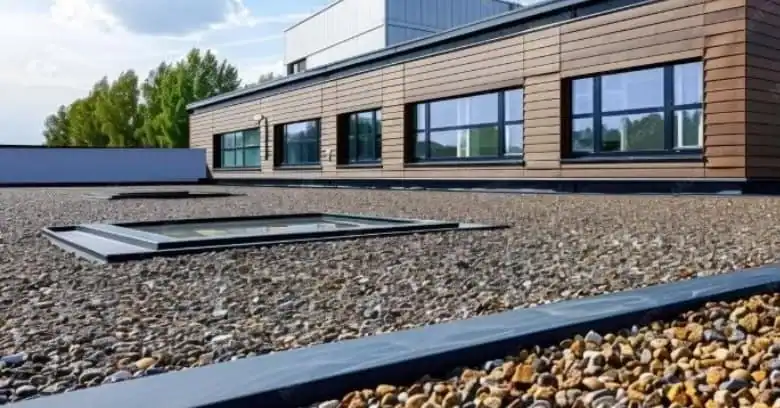
TPO and PVC are single-ply sheets that are welded at the seams with hot air, creating a continuous waterproof surface, so a damaged area can be fixed cleanly. Black EPDM absorbs heat, while a white version reflects more of the sun, and the seam tape is a point to watch over time. Built-up roofing, often called BUR, layers hot or cold asphalt with reinforcing fabric and finishes with gravel or a cap sheet, and the system is heavy compared with single-ply.
The Weak Points of a Level Roof
The open field of a membrane is usually the toughest part of the whole system, and that is worth keeping in mind. Where a flat roof meets a wall, the membrane must turn up and be sealed and capped with flashing, and it pays to think it through.
Keeping a Level Roof Drained
Water that does not drain adds weight, breeds algae and ages the surface faster, and a clogged outlet can overload a roof. Adding drains or enlarging scuppers helps when the old ones were undersized, and it extends the life of the whole system.
How Heat Wears a Low-Slope Roof
Heat makes a membrane expand during the day and shrink at night, so the surface slowly dries and cracks. Silicone, acrylic and elastomeric coatings are the main families used on flat roofs, and that is worth keeping in mind.
Vents, Pipes and Rooftop Units
Every pipe, vent and curb through a flat roof is a place where the membrane has to be cut and sealed, and plugging with caulk is only a stopgap. Roof-mounted air conditioners and other equipment bring service people who walk on the membrane, and a little care goes a long way.
Repair, Recoat or Replace
Targeted repairs buy time and protect the interior while a bigger plan is made, and temporary fixes should be called what they are. These options depend on the condition of the insulation under the old surface, and wet insulation rules out a quick fix. When the roof is saturated, cracked and failing in many places, replacement is the only lasting answer, so begin conversations before the leaks become urgent.
Small Flat Roofs With Big Responsibilities
A level porch roof may look like a minor part of a house, yet it protects the walls and the ceiling beneath it just as a main roof does, and the wrong material on a flat roof will leak. Leaks that appear in the room next to an addition often trace back to this single joint, and a thorough repair covers the whole junction. A roof used as living space has to meet higher standards than one that nobody walks on, so involve the roofer early.
Energy and the Low-Slope Roof
A flat roof has little or no attic, so the layers of the roof itself have to do the work that attic insulation and ventilation do on a pitched house, and the combination is worth planning. Replacing only the saturated sections can restore performance while leaving the dry parts in place, and that is often cheaper than a full tear-off.
A Simple Maintenance Calendar
A check in early autumn catches clogged drains, lifted seams and cracked sealant before the first storm tests them, so make it a fixed date on the calendar. Standing water that remains for days after rain is worth reporting, even if no leak has appeared yet, and cover furniture beneath a drip.
Holding a Membrane Down in a Gust
Edge metal, copings and terminations have to be fastened to a set pattern and sealed at the joints, or wind will find the gap and work it open, so ask how the edges will be attached. Stones that have been scattered by wind or foot traffic leave bare patches that expose the membrane to ultraviolet light, and the stone should be kept out of the drains. A careful roofer walks the roof beforehand and counts every penetration, then includes them all in the proposal, so be there for the visit if you can.
Skylights, Hatches and Vents on a Level Roof
Skylights and roof hatches sit on raised curbs that are flashed into the membrane, and the quality of that flashing decides whether they leak, and expect specific answers. A roofer who plans the layout of penetrations before the work starts usually delivers a drier roof, and mark each one on a sketch. Overflow scuppers set slightly higher than the main drains act as a safety valve when the primary outlet is blocked, and a blocked outlet loads a roof beyond its design.
Questions for a Flat Roof Contractor
Look for the manufacturer system and the type of seam, whether welded, glued or taped, so ask for the details in writing. A roofer with plenty of flat roof experience can explain problems before they occur, and notice who answers plainly.
Preparing the Property for a Membrane Job
Removing items from the roof, such as furniture and planters, saves time and prevents damage on the day the work begins, and the disruption is brief compared with a leak.
Clearing Up a Few Misconceptions
A flat roof is not doomed to leak, and one that is well built and looked after can serve a property for a very long time, and bring photographs if you have them.
Next Steps for Your Roof
A conversation about Built Up Roofs in Nipomo California usually starts with the type and age of the roof, and the number is 805-723-2381. Even a quick call can clear up questions about membranes, coatings and timing, and a little care goes a long way.
Verified

Verified
Verified
Verified
Verified






















