
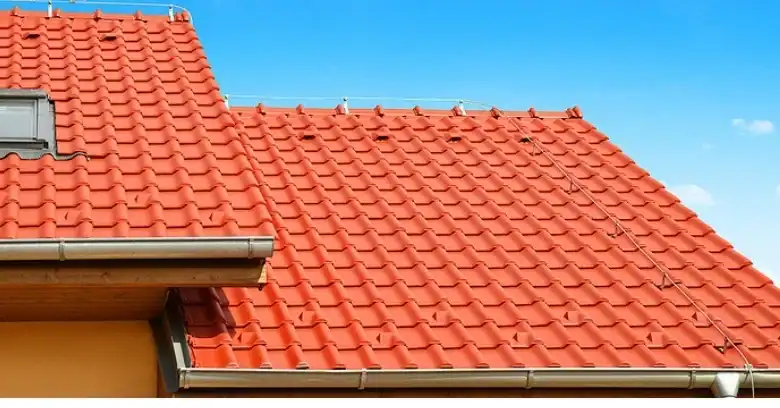
Considering Clay Tile Roof Contractors for a Home in Nipomo California?
Creative Roofing works with clay and concrete roofing units, from a single cracked piece to a full re-lay, serving homeowners in Nipomo California and beyond.
Dial 805-723-2381 to set up a visit to look at your roof.
What Makes a Roof Out of Fired Clay or Molded Concrete Different
A roof of this kind is a layered system in which each piece overlaps the next and the structure beneath does the waterproofing, and the system works only when every piece is in place. Concrete units are molded from cement and sand and colored through the body or on the surface, and it pays to think it through.
Load and Support
Heavy coverings put real stress on rafters, trusses and walls, which is why the structure is checked first, and it should happen before materials are ordered. Adding weight without adding support invites cracks, sagging and even failure, and a casual answer should give you pause.
Felt, Membranes and Battens
Many leaks on roofs of this kind begin with a failed underlayment, not with the pieces on top, so even a good surface can hide a tired layer. The felt paper on older roofs becomes brittle and breaks when the pieces are lifted, and that is worth keeping in mind.
How Heat Behaves Under the Pieces
Clay and concrete handle strong sun far better than lighter coverings, which is a large part of their appeal here, and the weight helps with wind as well. A gentle wash and a clear sealer can refresh the appearance of an older roof, and surface cleaning is far cheaper than replacement.
Why Pieces Break
Falling branches and windblown debris can also crack pieces in a storm, and the damage may not show from the ground. Satellite installers, painters and gutter cleaners are common causes of damage, and the cost of a few replacements is small.
The Detail Work on a Heavy Roof
Valleys carry the most water on a roof, and the metal channel beneath the pieces must be sound, and that is worth keeping in mind. Dry-set ridge systems replace mortar with clips and are easier to maintain, and the repair is far less costly than water damage.
How Units Are Secured
Nails, clips and foam adhesive are the common ways to secure units to the roof, and edges and ridges deserve the most attention. Bird stops and closures at the eave seal the openings where embers might enter, and the details are worth a closer look.
Options for a Tired Roof
Many of these roofs are restored two or three times over the life of the building, and it is easy to overlook. If the pieces are worn out, a re-lay would only reuse tired material, and the structure should be reviewed first.
Adhesives, Clips and Mortar
Cement bedding has been the traditional method for capping a ridge, but it is rigid and breaks as the roof flexes with temperature, and the best answer is specific to your roof. The openings along the bottom edge of a profiled roof need a closure strip, or they become a doorway for pests and debris, so these small parts deserve attention.
Looking After the Appearance
Cleaning should be done carefully by someone who knows the material, since walking on the roof is a risk to the units themselves, and a sealer can slow the return of stains. A professional cleaner will explain the method and protect the plants and walls below, and fix any breakage before the rains.
Underlayment Choices and Upgrades
High-temperature rated products suit the hot conditions found beneath dark units on a sunny slope, and a thoughtful answer is a good sign. Counter-battens add further airflow and reduce heat transfer into the attic, so look for it in the proposal.
Rooftop Additions on a Roof of Many Pieces
Mounting an array on a roof of this type means lifting or cutting units around every bracket and sealing the opening beneath, and ask who is responsible for the seals. Satellite dishes, antennas and holiday lights are small additions that can break units if the installer is careless or the fasteners are driven in the wrong place, so make it a habit to ask about the roof. A valley that is clogged with leaves and needles can send water sideways under the units, which they are not designed to handle, and it is easy to overlook.
Weighing Clay Against Concrete
Both materials are heavy, fire-resistant and durable, and either can give a house a distinctive character, and the difference shows up in the details. Barrel tiles are laid in alternating channels and caps, while interlocking units are single pieces that lock together along their edges, and it pays to think it through.
Getting Specific About a Heavy Roof
Look for details on the underlayment type, the valley metal and the ridge system, and the details are what you are really buying. Questions about experience are reasonable, and the answers say a great deal, and keep notes to compare later.
What Happens on Site
Work in stages keeps the house covered at the end of every day, so that a sudden rain does not find an open roof, and the whole process takes patience.
Roofs of Fired Clay and Concrete in Wind and Fire Country
Closure strips at the eaves and the ridge keep embers and animals out of the space beneath the units, and a tidy roof is a safer roof.
Keeping Track of a Long-Lived Roof
A small stack of leftover pieces from the original job is worth more than almost any other record, since replacements are rarely identical, and it pays to think it through.
Ready to Look at Options
Those comparing Clay Tile Roof Contractors in Nipomo California can reach us by phone, so use 805-723-2381 to set up the next step. Planning ahead usually leads to better choices than reacting to an emergency, and the roof will tell the story once someone looks.
Verified

Verified
Verified
Verified
Verified






















