
Sourcing Commercial Roof Installations for a Building in Nipomo California?
Creative Roofing plans roof work for owners and managers who cannot afford a disruption, throughout Nipomo California and the towns nearby.
Dial 805-723-2381 to start planning the work with someone who knows low-slope roofs.
How Building Roofs Differ
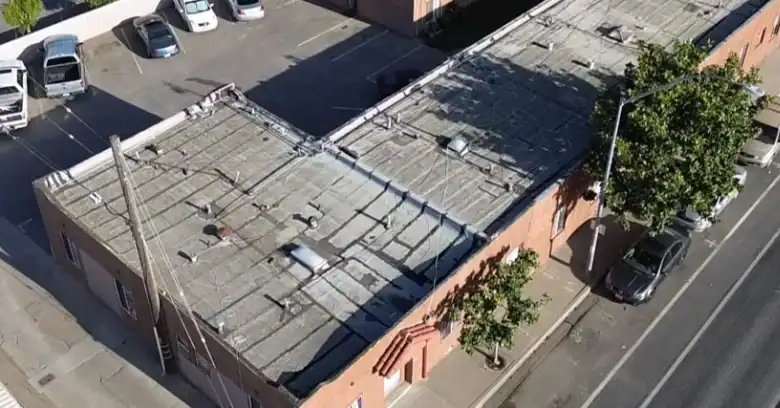
Most commercial buildings have low-slope roofs, which shed water slowly and carry equipment, and the materials are chosen with that in mind. Where a house roof sheds water by gravity, a flat roof depends on seams and drains, so installation craft counts for a great deal.
Tenants and staff notice a drip long before an owner sees the cause, and a little care goes a long way.
The Membranes Used on Flat Roofs
TPO, PVC and EPDM are the single-ply families most owners hear about, so the choice affects how repairs are done later. Modified bitumen sheets are heated or adhered in overlapping layers to make a durable surface, and they suit many situations where traffic and equipment are heavy. Standing seam metal panels cover warehouses, schools and retail buildings, so the building and its use drive the decision.
Drains, Scuppers and Slope
Every flat roof is only as good as its drainage, and it pays to think it through. Drains, scuppers and gutters collect water and carry it away from the building, and an overflow scupper is a backup that should never be blocked.
Air Conditioners, Vents and Curbs
Heating and cooling units, exhaust fans and vents sit on most commercial roofs, and many leaks start there rather than in the open field. Walkway pads protect the routes that technicians use most often, and a contractor can mark them on the roof.
Sun, Heat and Energy Use
A flat roof takes the full force of the sun for most of the day, and that is why white and light membranes are so common. A cooler roof surface lowers the strain on air conditioning in hot months, and local rules may favor reflective surfaces on some projects.
Small Jobs That Prevent Big Ones
Routine care costs a fraction of an emergency repair, and it gives you a record to show a buyer or lender. Maintenance work is mostly cleaning, tightening and resealing, so the cost is modest.
When a Roof Reaches the End of Its Life
Not every aging roof needs a full tear-off, and testing is better than guessing. When insulation is soaked, the roof has usually reached the end of its useful life, and that is worth keeping in mind.
Tenants, Customers and Noise
Work over occupied space is staged carefully to keep people safe and dry, and it pays to think it through. Access to the roof should be controlled while the work is in progress, and plan for parking and deliveries as well.
Apples to Apples
Two proposals that look alike on the surface can differ a great deal in the details, and ask about anything that seems vague. A record of the materials and details used helps with later maintenance, and it is worth requesting before the work starts.
Why the Drip Is Never Where the Hole Is
The wet patch indoors only tells you where the water finally escaped, and the roofer has to follow the evidence across the roof. Penetrations and terminations are the usual suspects, and a good survey starts with those. Knowing where the water is saves guesswork and wasted effort, and the cost is small next to a wrong decision.
Perimeter Details and Attachment
The edges and corners of a flat roof take the highest wind loads, and repairs there should not wait. Loose trim lets wind get under the membrane and peel it back, and a gap there can grow quickly in a gust.
Where the Roof Meets the Building
A parapet is an extra wall that needs its own waterproofing on both faces, and a gap at the top lets water run down behind the membrane. Counterflashing and termination bars hold the membrane to the wall and keep water out, so it helps to look at the wall as well as the roof.
Coatings Explained
Roof coatings are liquid products rolled or sprayed onto an existing roof to form a protective skin, and a coating is only as good as the surface beneath it. Applying a coat over a roof that is already saturated traps moisture and hides the problem, and the details are worth a closer look.
Distribution Centers and Shopping Centers
Large roofs pose logistical problems that small ones never do, and the roof can be done in sections. Multi-tenant buildings call for clear communication with every occupant, so the plan should name each area. Planning around families and daily routines matters on a residential property, and clear notices help everyone know what to expect.
The Long View on Roof Spending
People who set aside funds for roof work avoid scrambling when the time comes, and a little care goes a long way. A cheaper system that fails sooner is not a bargain, so compare what is included before comparing totals.
Thermal Layers on a Flat Roof
Insulation under a flat roof keeps the building comfortable and reduces energy use, so keeping them dry is essential. Cover boards add a firm surface that protects insulation from foot traffic and hail-free impacts, and it is worth asking about. Angled boards direct water toward drains and reduce ponding, and it pays to think it through.
Late-Summer Readiness Checks
A pre-season checklist includes clearing drains and scuppers, checking seams and flashing, and photographing the condition of the surface, so schedule it like any other maintenance.
Next Steps for Your Commercial Roof
Owners weighing Commercial Roof Installations in Nipomo California can reach us by phone, and the number is 805-723-2381. Calling sooner rather than later keeps repair costs and disruption smaller, and the roof will tell the story once someone looks. Putting off a roof decision seldom makes it simpler, so call when you have a moment. Tenants, lenders and insurers all take an interest in the state of a roof, and the paperwork can be kept with the building file.
Verified

Verified
Verified
Verified






















