
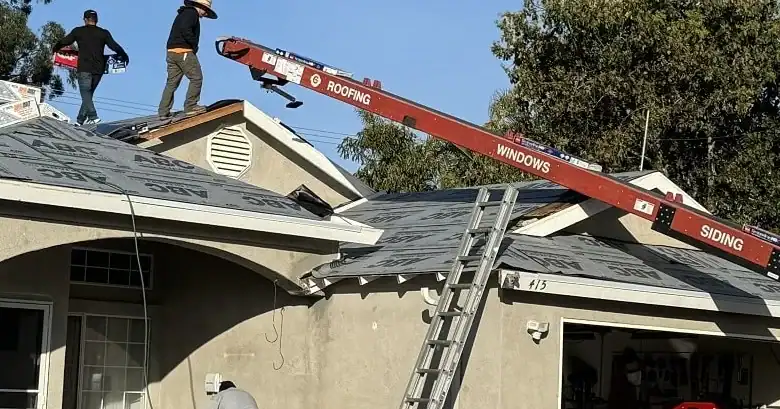
Thinking About New Roof Installation for a Home in Nipomo California?
Creative Roofing walks a household through every stage of a roofing project, across Nipomo California and the neighboring communities.
Ring 805-723-2381 and tell us what has you thinking about the roof.
The First Step in a Roofing Project
Every roofing job starts with someone climbing up to see what is actually there, and that is worth keeping in mind. Loose granules, lifted edges, cracked flashing and soft spots all say something about the layers below, so the visit usually takes longer than people expect.
Months of direct sun take a steady toll on whatever covers a house, and the sunniest side is usually the oldest-looking side.
What Should Actually Be Done
Whether to fix or replace comes down to the condition of the layers beneath the surface, so a clear explanation matters more than a quick quote. A roofer who explains the reasoning in plain terms is easier to trust with the work, since the plan should make sense to the person paying for it.
When the decking underneath is damaged, the scope of the job grows, and it helps to know that before the work begins.
Material Decisions
The common choices are shingle, tile and metal, and each suits some houses better than others, so structure comes first and appearance second. A roof that faces strong sun all afternoon behaves differently depending on its shade, so do not settle the question from a photograph.
Timing the Work
Rain arrives in bursts, and a roof that is open when one comes needs protection, and crews watch the forecast closely. On very hot afternoons shingles soften and workers slow down, and finishing early keeps people and materials in better shape.
Getting to a Clean Surface
The existing covering is stripped away and the deck is left exposed for inspection, so landscaping and windows are covered before the first piece comes up. Soft or split sheathing is cut out and new panels are fastened down, since good materials laid over a weak deck do not last.
What Goes Down First
Much of the protection a roof offers is out of sight, so self-adhering membrane goes where leaks tend to begin. Once the underlayment is down, the house is considered dried in, and the finished surface is installed over a sound base.
Where Roofs Meet Walls and Pipes
Water finds the joints first, so flashing matters, since worn metal under new material becomes the weak link. Plumbing vents are among the most common sources of small leaks, so replacing them along with the roof removes a predictable problem.
Ventilation in a Warm Climate
Warm air trapped under the deck works on the roof from below, and the details are worth a closer look. More vents are not always better, because intake and exhaust have to be balanced, and a roofer should be able to describe it simply.
Cleanup and the Final Walk-Through
When the last piece is installed, the cleanup begins, so gutters are checked and cleared of loose granules. Photographs of the completed work are worth having for your own records, so keep the paperwork and pictures together.
Local Rules and Paper Trails
Local requirements shape the job before the first shingle is touched, and the answer should be clear from the start. Areas with wildfire exposure often have extra requirements for roofing materials and vents, since the covering you pick has to be one the town accepts. Written proposals should describe the materials, the scope and the cleanup in plain words, and it is worth reading it slowly.
What Happens to the Yard
Roof work is hard on landscaping unless it is planned for, and a careful crew sets them before the work begins. Pets, children and cars are best kept away from the work area, and keep a path clear for deliveries. Inside the house, vibration can shake items from shelves and loosen attic insulation, so it is wise to take down fragile pictures first.
The Few Days of Commotion
Timing depends on the size of the roof, the complexity of the layout and the covering chosen, so ask for the expected start and finish up front. Roof work is loud, and the street will hear it, so a friendly note goes a long way. Household routines bend a little while the work is under way, and everything returns to normal once the crew packs up.
What to Ask Every Roofer
A sensible first question is what exactly is included in the scope, and it pays to think it through. The product line matters as much as the type of covering, so ask before you sign anything. Talk through how changes to the plan will be handled and agreed, and it is better to know in advance.
Small Habits That Extend Roof Life
A roof needs less attention than most parts of a house, but it needs some, and little problems stay little. Overhanging trees drop material that collects in corners and valleys, and it also reduces fire risk in dry months. A prompt visit after damage keeps a minor repair minor, so do not wait for the next storm.
Choosing the Right Season
Planning ahead usually gives better choices than reacting to an emergency, and a calm decision is nearly always a better one. Early fall is popular because the weather is still dry and the heat has eased, and the details are worth a closer look.
What the Crew Sees Inside the House
The attic is the roof as seen from below, and it often gives the clearest picture of how the roof has been performing, so ask the roofer to look inside as well.
Ready When You Are
Sorting out New Roof Installation in Nipomo California is easier with someone who can look at the house, and 805-723-2381 reaches the right person. The size of the project changes the schedule but not the principle, so there is no harm in asking questions first. Taking the first step is usually the hardest part of any home project, and the next step becomes obvious.
Verified

Verified
Verified
Verified
Verified






















