
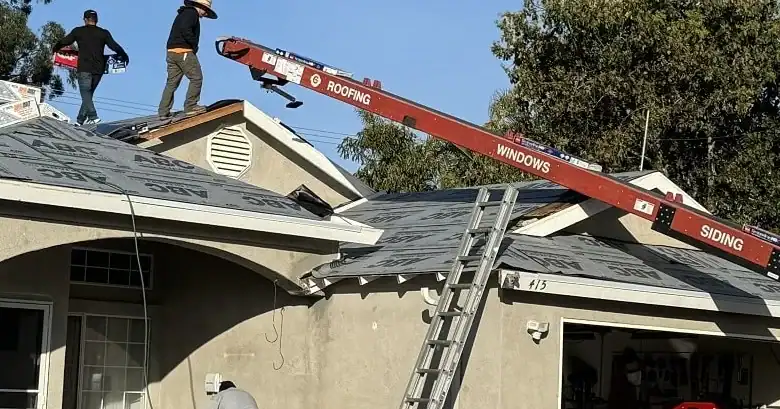
Planning Roof Installation for a Home in Nipomo California?
Creative Roofing covers each step of putting a new roof on a house, serving Nipomo California and the places close by.
Phone 805-723-2381 and we will talk through what the roof needs.
Before Anything Is Torn Off
Every roofing job starts with someone climbing up to see what is actually there, because the rest of the plan rests on the findings from that look. Signs of wear on top often point to a moisture problem underneath, so the visit usually takes longer than people expect.
Months of direct sun take a steady toll on whatever covers a house, and a roofer who knows the area expects exactly that.
Choosing How Far to Go
Some roofs need a patch, some need a section redone, and some have reached the end of the road, and the reasons should be easy to follow. Pictures of the trouble spots take the guesswork out of the decision, because you are the one living under the result.
Rotted or soft sheathing changes the plan and often the schedule, so a note on how it will be handled saves arguments later.
Picking a Roof Covering
Three families of material cover most residential roofs in this region, so structure comes first and appearance second. Color deserves more thought than it usually gets, and a full-size piece seen outdoors beats a catalog picture.
The Calendar and the Forecast
Rain arrives in bursts, and a roof that is open when one comes needs protection, and crews watch the forecast closely. On very hot afternoons shingles soften and workers slow down, and a little care goes a long way.
Getting to a Clean Surface
The existing covering is stripped away and the deck is left exposed for inspection, and the details are worth a closer look. Repairs to the deck happen now, before anything new is installed, so this is not the place to save time.
What Goes Down First
Underneath the visible covering sits a water-resistant layer that does much of the work, so self-adhering membrane goes where leaks tend to begin. The house is safest once the second layer is complete, and rows are laid from the eave upward, each lapping the last.
Where Roofs Meet Walls and Pipes
Water finds the joints first, so flashing matters, and it pays to think it through. Vent boots and pipe collars are rubber or lead pieces that wear out before the roof does, and putting in new boots costs little when the roof is already open.
Keeping the Attic Cooler
Attic heat is behind many worn roofs and many large cooling bills, since warm air rises on its own when it is given a path. A ventilation plan is worth a conversation before the job starts, and a roofer should be able to describe it simply.
Finishing the Job
When the last piece is installed, the cleanup begins, so gutters are checked and cleared of loose granules. Photographs of the completed work are worth having for your own records, and it only takes a few minutes.
Local Rules and Paper Trails
Local requirements shape the job before the first shingle is touched, because surprises at the counter slow everything down. Certain hillside and edge-of-town areas follow stricter material rules than the valley floor, since the covering you pick has to be one the town accepts. The best paperwork leaves little room for misunderstanding, because what is written down is what everyone remembers.
Keeping the Property Safe
A busy work site needs boundaries, and it is reasonable to ask how this will be done. The area under the eaves is the one to avoid, and a short talk the evening before covers the details. Inside the house, vibration can shake items from shelves and loosen attic insulation, so it is wise to take down fragile pictures first.
Noise, Neighbors and Daily Life
A new roof usually takes a few days for an average house, though weather and size change that, and plan on some slack for the weather. Neighbors appreciate a heads-up before the noise begins, and the whole thing is over sooner than it seems. Household routines bend a little while the work is under way, so consider a day out of the house if you can.
Questions That Reveal the Difference
Ask how the roof will be ventilated and how the flashing will be handled, since confident answers come easily to people who do this daily. Product names and thicknesses on the proposal let you compare like with like, and it should be written on the proposal. Surprises are normal, and a process for them is a sign of a well-run job, and settle it before the first day.
Looking After a New Roof
A roof needs less attention than most parts of a house, but it needs some, and little problems stay little. Keep the gutters clear of leaves and needles, especially at the end of the dry season, and a small broom is often enough. Missing pieces, lifted edges or a new stain are all reasons to have someone look, so do not wait for the next storm.
Choosing the Right Season
Waiting for the first storm to find the weak spot means hiring in a hurry, and a calm decision is nearly always a better one. Any month can work with the right planning and a willingness to move a day, and the covering you choose affects the timing as well.
Insulation, Ducts and Cables Under the Roof
Looking at the roof from inside the attic before the work begins reveals water stains, damp insulation and daylight where none should enter, and attic problems are cheaper to deal with during a re-roof.
Talk to Us About Your Roof
A call is the simplest way to begin planning work in Nipomo California, so use 805-723-2381 to talk through the roof and the next step. A modest repair and a full re-roof both begin with an honest look at the roof, and that is worth keeping in mind. The sooner the roof is looked at, the more choices you tend to have, and that is a good place to begin.
Verified

Verified
Verified
Verified
Verified






















