
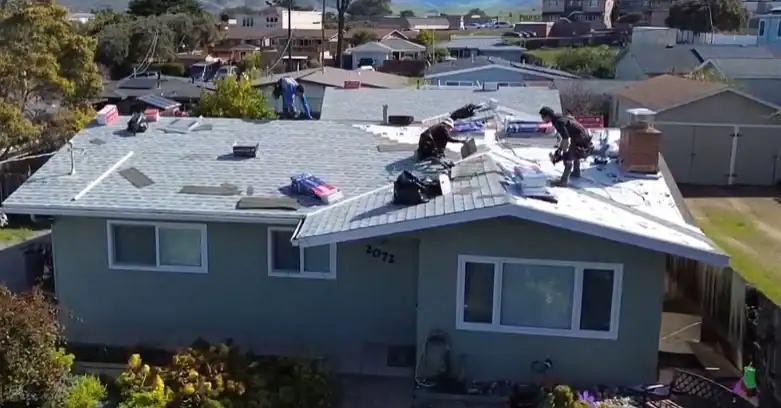
Planning New Roofing Maintenance Around Nipomo California?
Creative Roofing walks a household through every stage of a roofing project, across Nipomo California and the neighboring communities.
Reach out at 805-723-2381 and we will talk through what the roof needs.
Starting Out Right
Nothing gets decided until someone has walked the roof, because the rest of the plan rests on the findings from that look. A proper look covers the slopes seen from the yard and the ones that are not, and that is the evidence a sensible plan is built on.
Months of direct sun take a steady toll on whatever covers a house, and a roofer who knows the area expects exactly that.
Setting the Scope of Work
The right answer depends on how much sound material is left on the house, and the recommendation should come with the reasons attached. Ask to see the problem areas, either in photographs or from the ladder, so do not feel awkward about asking.
Wood that has been wet for a long time has to be cut out and replaced, and nobody should be surprised when it happens.
Picking a Roof Covering
Most houses here wear one of three coverings, and the choice shapes everything else, but the framing and the slope decide more than preference does. Sun exposure makes color a practical question as well as a visual one, so do not settle the question from a photograph.
Timing the Work
Roof work is easiest to schedule in the long dry stretch between rains, so exposed areas get covered at the end of each day. Crews often start early in summer to get ahead of the hottest hours, and finishing early keeps people and materials in better shape.
What Happens on Demolition Day
Removal of the old material is where the project gets loud, and magnets and rakes pick up the nails that fall. Repairs to the deck happen now, before anything new is installed, because new material is only as good as what it is fastened to.
Protection Under the Covering
Much of the protection a roof offers is out of sight, and it is easy to overlook. With the barrier in place the roof can shed rain even before the covering is finished, so the rest of the work can proceed without worry.
Penetrations and Edges
Wherever the roof surface stops, a metal detail has to take over, so fresh metal is standard practice among careful crews. The seal around a vent pipe rarely lasts as long as the surface around it, so replacing them along with the roof removes a predictable problem.
Intake and Exhaust
Heat collects in the space beneath the roof deck unless it has somewhere to go, and a proper system draws air in low and sends it out high. The design of the system matters more than the number of vents, and the answer should be part of the proposal.
Finishing the Job
The job is not over until the yard looks like a yard again, and a magnetic sweep picks up stray nails. Photographs of the completed work are worth having for your own records, and it makes future repairs and sales smoother.
Approvals Before the Work Starts
Municipal offices have their own expectations for roof work, and a little care goes a long way. Areas with wildfire exposure often have extra requirements for roofing materials and vents, and the details are worth a closer look. A proposal that names its materials and steps is easier to compare, and it is worth reading it slowly.
Looking After Your Property During the Work
A roofing job puts a lot of weight, noise and debris around a house, and a careful crew sets them before the work begins. Pets, children and cars are best kept away from the work area, and keep a path clear for deliveries. Hammering on the deck above can rattle a ceiling and drop dust into the rooms below, and a sheet over stored boxes keeps the grit off.
What the Household Should Expect
A new roof usually takes a few days for an average house, though weather and size change that, so ask for the expected start and finish up front. A quick word with the people next door can head off complaints, so a friendly note goes a long way. The loudest stretch is the tear-off, and it passes quickly, and the noise settles once the old roof is gone.
What to Ask Every Roofer
A sensible first question is what exactly is included in the scope, since confident answers come easily to people who do this daily. The product line matters as much as the type of covering, and a good roofer will be glad you asked. The way a roofer handles the unexpected says a lot about the whole operation, and keep the discussion friendly but specific.
Caring for the Roof Once It Is Done
Regular glances at the roof catch small problems early, and it is easy to overlook. Sweeping leaves off the roof and out of valleys prevents trouble, and it also reduces fire risk in dry months. A prompt visit after damage keeps a minor repair minor, so do not wait for the next storm.
Spring, Summer or Fall
Planning ahead usually gives better choices than reacting to an emergency, and calling in spring avoids the rush. Spring can bring the first showers, so flexibility helps, and the details are worth a closer look.
What the Crew Sees Inside the House
Looking at the roof from inside the attic before the work begins reveals water stains, damp insulation and daylight where none should enter, so ask the roofer to look inside as well.
Next Steps for Your Roofing Project
Sorting out New Roofing Maintenance in Nipomo California is easier with someone who can look at the house, and 805-723-2381 reaches the right person. Whether the job is a small section or a whole house, the questions are much the same, so there is no harm in asking questions first. The decision often feels bigger before the call than it turns out to be, and it pays to think it through.
Verified

Verified
Verified
Verified
Verified






















