
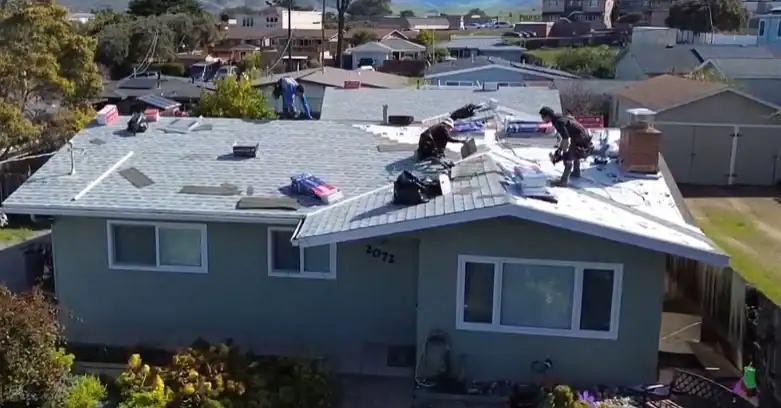
Searching for Roofing Contractor in Nipomo California?
Creative Roofing stays with a roofing project from the first walk-around to the final check, from Nipomo California out to the surrounding area.
Dial 805-723-2381 and we will talk through what the roof needs.
Where a Roofing Job Begins
Before any material is chosen, the existing roof has to be understood, since guessing from the ground leads to surprises later. Photographs taken on that first visit become the record for everything that follows, and that is the evidence a sensible plan is built on.
Months of direct sun take a steady toll on whatever covers a house, and the sunniest side is usually the oldest-looking side.
Deciding What the Roof Needs
Some roofs need a patch, some need a section redone, and some have reached the end of the road, so a clear explanation matters more than a quick quote. Ask to see the problem areas, either in photographs or from the ladder, because you are the one living under the result.
Weak spots in the deck only show themselves once the old roof is off, and it is easy to overlook.
Shingle, Tile or Metal
Asphalt shingles, concrete or clay tile and standing seam metal are the coverings most often put on homes here, so structure comes first and appearance second. Lighter colors reflect more of the summer sun, while darker ones soak it up, and that is worth keeping in mind.
Scheduling Around the Weather
For most of the year the weather here lets a roof go on with few interruptions, and it pays to think it through. Roof surfaces get hot enough in July to change how materials behave, and the plan bends to the heat rather than the other way around.
Getting to a Clean Surface
Removal of the old material is where the project gets loud, and debris goes into a bin or trailer rather than onto the lawn. Repairs to the deck happen now, before anything new is installed, and it is easier to fix now than after the roof is finished.
Waterproofing Beneath the Surface
Much of the protection a roof offers is out of sight, and metal edging is set at the eaves and rakes before the covering. Reaching this stage quickly is a sensible way to protect the interior, and rows are laid from the eave upward, each lapping the last.
Where Roofs Meet Walls and Pipes
Chimneys, skylights, vent pipes and walls all need flashing worked into the roof, since worn metal under new material becomes the weak link. Plumbing vents are among the most common sources of small leaks, so replacing them along with the roof removes a predictable problem.
Intake and Exhaust
Heat collects in the space beneath the roof deck unless it has somewhere to go, and a proper system draws air in low and sends it out high. More vents are not always better, because intake and exhaust have to be balanced, so ask how the attic will breathe once the work is done.
Finishing the Job
The job is not over until the yard looks like a yard again, and that is worth keeping in mind. A walk around the finished roof with the roofer is a reasonable thing to ask for, and it pays to think it through.
Permits and Paperwork
Depending on the town, a re-roof may need a permit before any material is ordered, and the answer should be clear from the start. Areas with wildfire exposure often have extra requirements for roofing materials and vents, and the proposal should reflect them. Vague wording on a proposal is a reason to ask questions, so compare any two side by side.
Protecting the House and Yard
Roof work is hard on landscaping unless it is planned for, and that is worth keeping in mind. The area under the eaves is the one to avoid, and it pays to think it through. Light fixtures and wall hangings can shift when a roof is being removed above them, so it is wise to take down fragile pictures first.
What the Household Should Expect
Timing depends on the size of the roof, the complexity of the layout and the covering chosen, and plan on some slack for the weather. A quick word with the people next door can head off complaints, so a friendly note goes a long way. Remote workers may want a quiet spot elsewhere for a day or two, so consider a day out of the house if you can.
A Short List for Comparing Proposals
Find out who will be on the roof and who will be in charge of the job, and listen to how the answer is given. Product names and thicknesses on the proposal let you compare like with like, and a good roofer will be glad you asked. A change in scope should be written down and approved before the work continues, and the details are worth a closer look.
Caring for the Roof Once It Is Done
Checking the roof twice a year takes only a few minutes, and the best times are before the rainy season and after the first big storm. Trim branches that touch or hang over the roof, and it also reduces fire risk in dry months. A prompt visit after damage keeps a minor repair minor, and it pays to think it through.
Is There a Best Time for a New Roof
Planning ahead usually gives better choices than reacting to an emergency, and the schedule fills quickly once the rains end. Early fall is popular because the weather is still dry and the heat has eased, and the details are worth a closer look.
Attic Findings That Change the Plan
Looking at the roof from inside the attic before the work begins reveals water stains, damp insulation and daylight where none should enter, so ask the roofer to look inside as well.
Next Steps for Your Roofing Project
Homeowners comparing Roofing Contractor in Nipomo California can simply pick up the phone, so dial 805-723-2381 and say what you are seeing. A modest repair and a full re-roof both begin with an honest look at the roof, so there is no harm in asking questions first. Putting off a roof question rarely makes it easier to answer, and it pays to think it through.
Verified

Verified
Verified
Verified
Verified






















