
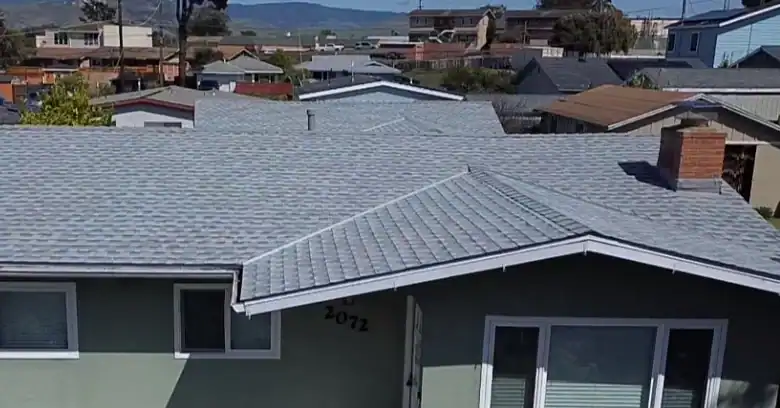
Searching for Roofing Serving Nipomo California?
Creative Roofing walks a household through every stage of a roofing project, serving Nipomo California and the places close by.
Call 805-723-2381 and we will talk through what the roof needs.
The First Step in a Roofing Project
The first visit is about gathering facts rather than picking a product, and that is worth keeping in mind. The roofer checks the surface, the flashing, the vents and the gutter line, then the attic if it can be reached, so the visit usually takes longer than people expect.
Sunny slopes and shaded slopes tell different stories, and both matter, and a little care goes a long way.
What Should Actually Be Done
A roof can be repaired, partly rebuilt or removed entirely, and the evidence decides what is done, so a clear explanation matters more than a quick quote. Ask to see the problem areas, either in photographs or from the ladder, and the answer tells you a lot.
Hidden damage found during tear-off is the usual reason a project grows beyond its first outline, so a note on how it will be handled saves arguments later.
Picking a Roof Covering
Asphalt shingles, concrete or clay tile and standing seam metal are the coverings most often put on homes here, so structure comes first and appearance second. A roof that faces strong sun all afternoon behaves differently depending on its shade, so do not settle the question from a photograph.
The Calendar and the Forecast
Roofing here follows the weather more than the calendar, and temporary dry-in layers keep the house safe overnight. On very hot afternoons shingles soften and workers slow down, so the day usually begins at sunrise.
Getting to a Clean Surface
Taking the old roof off is the noisiest and messiest part of the job, and debris goes into a bin or trailer rather than onto the lawn. Repairs to the deck happen now, before anything new is installed, and skipping the step shortens the life of an otherwise good roof.
Underlayment and Drying In
Beneath every roof is a membrane that catches whatever the surface lets through, and chimneys get particular care. Drying in gives the crew a margin against surprise weather, so the rest of the work can proceed without worry.
Small Metal Pieces, Large Consequences
Wherever the roof surface stops, a metal detail has to take over, and reusing old flashing under a new roof often comes back to bite. Plumbing vents are among the most common sources of small leaks, so this is an easy step to ask about.
Ventilation in a Warm Climate
Attic heat is behind many worn roofs and many large cooling bills, since warm air rises on its own when it is given a path. Mixing vent types without a plan can short-circuit the airflow, and it is easy to overlook.
Cleanup and the Final Walk-Through
A finished roof still leaves a yard full of scraps, nails and packaging, and a magnetic sweep picks up stray nails. Looking at the ridge, the valleys and the flashing with the roofer present is time well spent, so keep the paperwork and pictures together.
Permits and Paperwork
Replacing a roof usually involves the local building department in some way, and the answer should be clear from the start. Fire safety rules in some neighborhoods affect which coverings are allowed, and the proposal should reflect them. A clear proposal lists what will be removed, what will be installed and what happens if the deck needs work, because what is written down is what everyone remembers.
Protecting the House and Yard
A busy work site needs boundaries, so tarps and plywood go down where debris will land. Children and animals should stay clear of the yard while the work is underway, so tell the crew about anything fragile or valuable. Inside the house, vibration can shake items from shelves and loosen attic insulation, and a sheet over stored boxes keeps the grit off.
What the Household Should Expect
The calendar for a job is set by the roof, not by the wish list, and the crew should give you a realistic window. Neighbors appreciate a heads-up before the noise begins, and early starts mean early noise. Pets are often the ones most bothered by the commotion, and that is worth keeping in mind.
Questions Worth Asking Before You Agree
A sensible first question is what exactly is included in the scope, and anything left vague deserves a follow-up. A proposal that only says shingles or tile is not specific enough, and a good roofer will be glad you asked. The way a roofer handles the unexpected says a lot about the whole operation, and settle it before the first day.
Small Habits That Extend Roof Life
Regular glances at the roof catch small problems early, and binoculars make the job easy. Debris on the roof holds moisture and wears the surface, and a small broom is often enough. Call a roofer after a major wind event or if you see a stain on a ceiling, so do not wait for the next storm.
Choosing the Right Season
Many homeowners wait until a leak appears before they think about a roof, and a calm decision is nearly always a better one. Late summer is hot but dependable, and crews are usually busy, and the best season is often the one that fits your calendar.
Attic Findings That Change the Plan
Rust on the points of roofing nails and dark patches on the sheathing are signs that moisture has been present for some time, so ask the roofer to look inside as well.
Start the Conversation
Sorting out Roofing in Nipomo California is easier with someone who can look at the house, with 805-723-2381 ready whenever you are. Every roof is different, so every conversation starts from the house itself, so there is no harm in asking questions first. The sooner the roof is looked at, the more choices you tend to have, and the next step becomes obvious.
Verified

Verified
Verified
Verified






















