
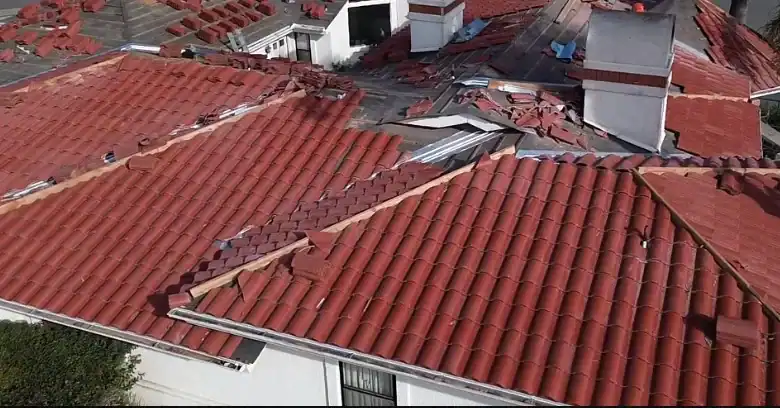
Considering Tile Roofing Installation for a Home in Nipomo California?
Creative Roofing works with clay and concrete roofing units, from a single cracked piece to a full re-lay, serving homeowners in Nipomo California and beyond.
Dial 805-723-2381 to talk through what a tile roof needs.
A Heavy Covering With a Long History
Fired clay and molded concrete are the two materials used for the heavy, durable coverings found across the region, and that is worth keeping in mind. Both materials resist fire, which has made them popular where wildfire is a concern, and the style often follows the architecture of the house.
Load and Support
The weight of the roof is the first question to settle before changing from lighter material, and it should happen before materials are ordered. A house that was built for shingles may not be safe under a full load of concrete, so ask who will assess the framing.
What Sits Beneath the Pieces
Beneath the visible surface lies a waterproof membrane that does the hard work, and it ages in the heat trapped under the pieces. The felt paper on older roofs becomes brittle and breaks when the pieces are lifted, and that is why age matters as much as appearance.
How Heat Behaves Under the Pieces
Clay and concrete handle strong sun far better than lighter coverings, which is a large part of their appeal here, and the weight helps with wind as well. Cosmetic wear is common and does not usually affect performance, and a little care goes a long way.
Why Pieces Break
Broken pieces are the most common problem on a roof of this kind, and they usually come from foot traffic, and the details are worth a closer look. Satellite installers, painters and gutter cleaners are common causes of damage, and it is easy to overlook.
Flashing, Valleys and Ridges
Valleys carry the most water on a roof, and the metal channel beneath the pieces must be sound, and a hurried job shows up in the first heavy rain. The cap line at the top of the roof is one of its most exposed areas, and it deserves attention as the roof ages.
Wind, Fire and the Fastening Question
Nails, clips and foam adhesive are the common ways to secure units to the roof, and a little care goes a long way. Embers do not ignite the pieces, though they can still collect in gaps and under the edges, and the pieces themselves are only part of the answer.
Matching the Work to the Condition
Re-laying saves the cost of new material and keeps the original look of the house, and it is easy to overlook. A full replacement is a bigger project, but it resets the clock on the entire roof, and that is worth keeping in mind.
How Units Are Bedded and Secured
Each fastening method has strengths, and the choice depends on the slope, the wind exposure and the local rules, so ask how the pieces will be held in place. Eave closures and bird stops fill the gap beneath the lowest course, keeping out birds, rodents, leaves and windblown embers, and a good roofer checks them without being asked.
Moss, Stains and Keeping the Surface Clean
Surface growth tends to be slower in dry summers, though shaded areas may still collect some, and a clean roof looks years younger. High pressure is the wrong tool for a roof made of individual pieces, because the water is driven uphill under the laps, so combine the two visits.
Underlayment Choices and Upgrades
High-temperature rated products suit the hot conditions found beneath dark units on a sunny slope, and that is worth keeping in mind. Battens that lift the units off the underlayment allow air to circulate and water to drain freely beneath the pieces, and the extra layer is inexpensive protection.
Penetrations Through Fragile Surfaces
The best time to add rooftop equipment is when the roof is being re-laid, because the openings can be built in properly, so coordinate the roofer with any other trade. Satellite dishes, antennas and holiday lights are small additions that can break units if the installer is careless or the fasteners are driven in the wrong place, so make it a habit to ask about the roof. A valley that is clogged with leaves and needles can send water sideways under the units, which they are not designed to handle, so make valleys the first stop on any check.
Choosing Between Clay and Concrete
Cast from cement and sand, concrete units take their color from pigment in the mix or from a coating applied to the surface, and the difference shows up in the details. Samples of full-size pieces on a roof model show more than a catalog photograph ever can, and take your time with the choice.
How to Weigh Two Bids
The written scope should say whether the existing units will be reused and who will supply replacements, so ask for them before signing. Find out whether the crew has experience on heavy roofs and can show examples of finished work, so do not hesitate to ask.
From Lifting the Units to Setting Them Back
Pieces are removed row by row from the top down, and the crew takes care to avoid cracking more units than the roof already has, and the crew has to be careful with every piece.
Wildfire Season and Heavy Roofs
Trimming branches back from the roof and keeping a clear margin around the house reduces the risk to the roof and the building, and that is worth keeping in mind.
Documenting the Work for the Future
Photographs taken during the work show what lies under the units, which is a view that nobody sees again for decades, so ask the roofer for copies.
Talk to Us About Your Roof
Anyone sorting out Tile Roofing Installation in Nipomo California is one call away from a straight answer, and 805-723-2381 reaches someone who can help. Whether the roof is leaking now or you are planning ahead, an early conversation keeps your options open, so reach out whenever you are ready.
Verified

Verified
Verified
Verified






















