
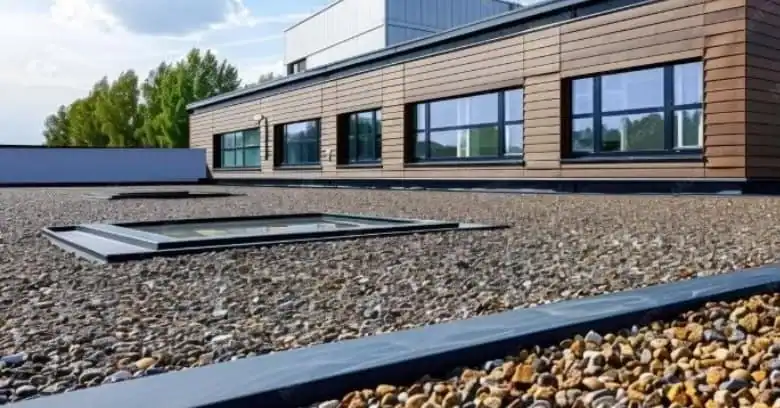
Thinking About Built Up Roofs Around Orcutt California?
Creative Roofing handles the seams, drains and edges where a flat roof succeeds or fails, for properties in Orcutt California and the towns around it.
Ring 805-723-2381 and describe what you are seeing up there.
The Challenge of a Level Surface
Low-slope roofs rely on a continuous waterproof skin because gravity does little to clear the surface, and the materials and details are chosen for it. A pinhole in a membrane or a gap in a seam lets in water that sits and keeps seeping, so it pays to hire people who work on flat roofs regularly.
Types of Flat Roofing
TPO and PVC are single-ply sheets that are welded at the seams with hot air, creating a continuous waterproof surface, and installation requires trained hands. Rubber membranes are black or white, and the seams are joined with tapes or adhesives, so periodic inspections are wise. The multiple plies mean that a flaw in one layer is backed up by the next, so the structure has to carry it.
Seams, Corners and Terminations
Failures concentrate wherever the membrane stops or is cut, and a roofer should walk every foot of the edge. Cracked sealant at the top of a wall flashing is one of the most common sources of leaks, and it pays to think it through.
Scuppers, Drains and Slope
Water that does not drain adds weight, breeds algae and ages the surface faster, so check drains before the rains begin. Tapered insulation or added crickets can create the slope that a level roof lacks, and it extends the life of the whole system.
Sunshine, Heat and Aging
Ultraviolet light and heat are the main forces that age the surface of a low-slope roof in this region, and the movement stresses seams and fasteners. Liquid coatings are rolled or sprayed onto a sound roof to form a continuous reflective skin, and that is worth keeping in mind.
What Happens Around Machinery
Boots, pitch pockets and flashing collars around pipes must be sound and sealed, and the sealant at each one ages in the sun. A roof used as a patio or deck needs a protective layer or pavers, and avoid storing items on the roof.
What a Roof Can Still Do
Targeted repairs buy time and protect the interior while a bigger plan is made, and photographs help. When the surface is simply worn, a coating or an overlay can refresh it without a full tear-off, and an honest answer starts with a survey. Replacing wet insulation restores the performance of the roof and the comfort of the rooms below, and that is worth keeping in mind.
Residential Low-Slope Roofing
Residential low-slope roofs turn up over additions, covered patios, carports and contemporary houses designed with clean horizontal lines, and the repair needs a roofer who works with membranes. Leaks that appear in the room next to an addition often trace back to this single joint, and a little care goes a long way. Roof decks and patios built over living space need a waterproofing layer under the finished surface, and a failure there can be expensive to reach, and the details should be planned with the whole project.
Energy and the Low-Slope Roof
A flat roof has little or no attic, so the layers of the roof itself have to do the work that attic insulation and ventilation do on a pitched house, and the savings show up in the cooling bill. Wet insulation loses most of its ability to resist heat and adds weight the roof was never meant to carry, and that is worth keeping in mind.
Before the Rains and After the Storms
Drains, scuppers and gutters should be cleared first, since blocked outlets cause more damage than any other single fault, and the work is quick. Branches, loose objects and windblown trash can cut a membrane or block a drain, and they should be removed promptly, and it pays to think it through.
Perimeter Details and Uplift
After a windy spell it is worth checking the perimeter from a ladder for loose trim, lifted seams and curling edges, so ask how the edges will be attached. Ballasted roofs hold the membrane down with a layer of smooth stone or pavers instead of glue or fasteners, and the weight is part of the design, and the details are worth a closer look. Crowded rooftops with many pipes and units are slow to roof, because every obstacle needs its own flashing and sealing, and point out anything unusual.
Roof Penetrations, Skylights and Hatches
A curb lifts the opening above the level of standing water, which is the main reason it exists, and the membrane must climb it and be sealed at the top, so ask how every opening will be handled. The seal around a pipe on a low-slope roof has to be formed to match the membrane, because a generic rubber boot will not bond to every type, and every opening is one more detail to watch. A drain bowl that is sealed to the membrane with a clamping ring and sealant keeps water from creeping under the sheet at the outlet, so check them often in the rainy months.
Questions for a Flat Roof Contractor
The written scope should list the flashing details, the edge metal and the drainage work, and it lets you compare two bids fairly. The answers tell you more than a brochure or a website ever could, and notes help you compare.
Keeping Disruption Small
Most flat roof jobs on a house or small building take only a few days, though adhesives and torch work call for dry weather and some advance planning, and a short conversation beforehand covers the details.
Questions Owners Often Ask About Level Roofs
A flat roof is not doomed to leak, and one that is well built and looked after can serve a property for a very long time, so do not hesitate to ask.
Ready to Look at Options
Those comparing Built Up Roofs in Orcutt California can reach us by phone, and 805-723-2381 reaches someone who can help. Planning ahead usually leads to better choices than reacting to an emergency, and the roof will tell the story once someone looks.
Verified

Verified
Verified
Verified
Verified






















