
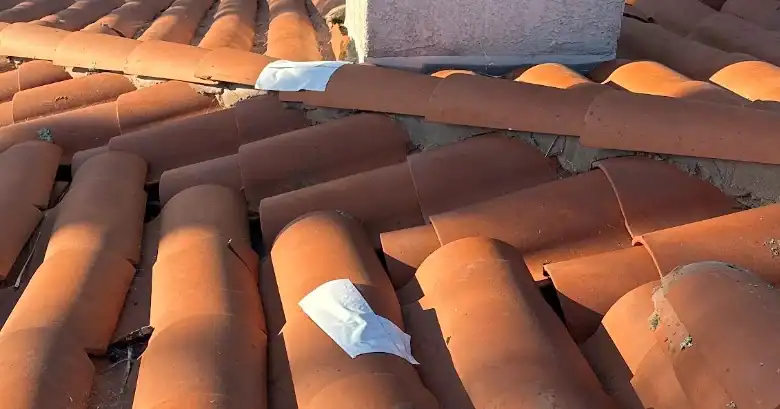
Thinking About Clay Tile Roofing Serving Orcutt California?
Creative Roofing works with clay and concrete roofing units, from a single cracked piece to a full re-lay, across Orcutt California and nearby.
Dial 805-723-2381 and describe the roof and what you are seeing.
How These Roofs Are Put Together
Every piece is shaped to channel water downhill and over the piece below, and the real waterproofing sits underneath. Each type comes in profiles from rounded barrels to flat slabs and interlocking shapes, and the style often follows the architecture of the house.
Heavy Roofs Need a Sound Structure
A concrete or clay roof weighs several times more than a shingle roof, so the framing has to be up to the load, and a sagging ridge is a sign of trouble. Replacing a lighter covering with a heavier one without checking the structure is a serious mistake, and a careful contractor raises the issue unprompted.
Underlayment Is the Real Waterproofing
The units shed most of the rain, but the underlayment beneath is the layer that actually keeps the house dry, and it ages in the heat trapped under the pieces. Sun and heat trapped under the units bake the underlayment for years, until it dries, cracks and fails, and high-temperature types are worth the small extra cost.
Sun, Heat and Dry Summers
Long dry summers are easy on the material itself, though the layers underneath age in the heat, and that is why roofs of this kind are so common in warm regions. Moss and lichen are less of a problem in dry summers, though shaded areas may collect some, and a roofer can tell the difference.
Walking on a Fragile Roof
A piece cracks when someone steps on the wrong spot, and many are broken by workers on the roof for other reasons, and waiting makes the repair more expensive. Asking other trades to avoid walking on the roof prevents a lot of broken pieces, and the cost of a few replacements is small.
Where Pieces Meet Walls and Each Other
Details where the pieces meet something else are the places most likely to leak, and sealant alone is never a lasting answer. Repointing or replacing the ridge bedding is a routine part of keeping the roof in good shape, so look for loose or missing cap pieces.
Seasonal Gusts and Embers
A roof with loose pieces is a hazard in a windstorm, so ask how the pieces will be held down. A tight installation with proper closures resists embers better than a loose one, and clean valleys are important.
Deciding What an Aging Roof Needs
A re-lay means lifting the units, replacing the underlayment and flashing, and setting the pieces back in place, and it is easy to overlook. Spalling concrete, crumbling clay and widespread cracks are signs that the surface is at its end, so it is a time to consider all the options.
Holding the Pieces Together
Older roofs of this kind used mortar to bed the ridge and hip pieces and to seal the edges, and that mortar eventually cracks and crumbles, so ask how the pieces will be held in place. Eave closures and bird stops fill the gap beneath the lowest course, keeping out birds, rodents, leaves and windblown embers, and a little care goes a long way.
Moss, Stains and Keeping the Surface Clean
Dark streaks and patches of lichen are common on north faces and under trees, and they are mostly a cosmetic issue, so consider it before deciding to replace. Cleaning is not a substitute for repairs, but it often reveals cracked pieces that were hidden by grime, and fix any breakage before the rains.
Underlayment Choices and Upgrades
Choosing a durable underlayment is one of the best investments in a long-lived roof, since it is the layer that has to outlast the rest, and a thoughtful answer is a good sign. Combining a sturdy base layer with extra protection at critical points gives a roof two lines of defense, and it pays to think it through.
Penetrations Through Fragile Surfaces
The best time to add rooftop equipment is when the roof is being re-laid, because the openings can be built in properly, and ask who is responsible for the seals. A roofer can place a few walkway planks or marked steps to protect the routes that others will use, and a short sign near the hatch helps. Metal valley liners should be inspected for rust, pinholes and loose edges, since they carry more water than any other part of the roof, and a small repair now prevents a leak later.
Two Materials, Two Personalities
Between the two, concrete is usually the more economical, while clay is prized for its authentic look and its long record of service, and that is worth keeping in mind. Barrel tiles are laid in alternating channels and caps, while interlocking units are single pieces that lock together along their edges, and take your time with the choice.
What Should Be Written Down
A proposal that only says re-lay the roof does not tell you enough, and the details are what you are really buying. Ask how the structure will be checked and what happens if damage is found, and trust the tone of the conversation.
Stages of a Careful Re-Lay
Pieces are removed row by row from the top down, and the crew takes care to avoid cracking more units than the roof already has, and the whole process takes patience.
Seasonal Readiness for a Tile Roof
Before the dry season peaks, a quick walk around the house with binoculars can show broken units, loose ridge pieces and debris piled in the valleys, and a tidy roof is a safer roof.
Records, Photographs and Spare Pieces
After a re-lay or a repair, keep the photographs, the proposal and a few spare units stored somewhere safe, because color and profile matching gets harder with time, and it costs almost nothing to keep them.
Talk to Us About Your Roof
Those comparing Clay Tile Roofing in Orcutt California can reach us by phone, so dial 805-723-2381 when it suits you. Calling before a problem becomes urgent makes it easier to compare materials and schedules, and a little care goes a long way.
Verified

Verified
Verified
Verified
Verified






















