
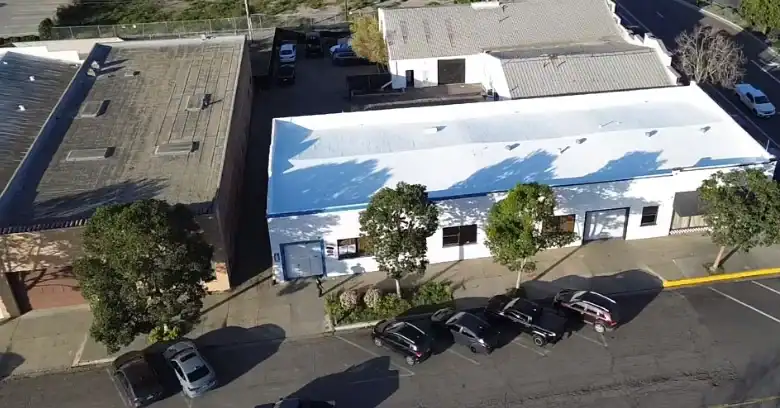
Researching Flat Roofing Companies for a Building in Orcutt California?
Creative Roofing knows how a roof without a pitch is built, why it leaks and how to make it last, from Orcutt California out to the surrounding area.
Phone 805-723-2381 to arrange a visit to look at the roof.
Why Flat Roofs Need Special Care
Low-slope roofs rely on a continuous waterproof skin because gravity does little to clear the surface, and the quality of the seams decides everything. A flat roof gives little margin for error in the details, and it pays to think it through.
What Goes on a Low-Slope Roof
The seams on thermoplastic sheets are fused rather than glued, which makes them strong, and repairs are made by welding on a patch. Rubber membranes are black or white, and the seams are joined with tapes or adhesives, so periodic inspections are wise. Built-up roofing, often called BUR, layers hot or cold asphalt with reinforcing fabric and finishes with gravel or a cap sheet, and repairs can be made in place.
Seams, Corners and Terminations
Failures concentrate wherever the membrane stops or is cut, and a roofer should walk every foot of the edge. Termination bars and sealant hold the top edge of the membrane against the wall, and redoing sealant is routine upkeep.
Scuppers, Drains and Slope
Puddles that remain a day or two after rain signal that water is not leaving the roof as it should, so check drains before the rains begin. Angled boards under a new membrane direct water toward the drains and eliminate low spots, and a roofer can map the low areas.
How Heat Wears a Low-Slope Roof
Ultraviolet light and heat are the main forces that age the surface of a low-slope roof in this region, and the movement stresses seams and fasteners. Liquid coatings are rolled or sprayed onto a sound roof to form a continuous reflective skin, so cleaning and repair come first.
Protecting the Surface From Wear
Skylights and hatches add edges that need careful flashing, and replacing a worn collar is a quick job. A roof used as a patio or deck needs a protective layer or pavers, and a quick look after any service visit catches new damage.
Matching the Work to the Roof
A skilled roofer can patch a membrane so that the repair outlasts the surrounding area, and photographs help. A restoration coat is a good choice for a roof that is dry beneath and sound in the field, and the survey is worth the small cost. Starting fresh gives the best foundation for another long stretch of service, and it should be planned rather than rushed.
Level Roofs at Home
A level porch roof may look like a minor part of a house, yet it protects the walls and the ceiling beneath it just as a main roof does, and the wrong material on a flat roof will leak. A bead of caulk across that joint might hold for a season, but a proper counterflashing is the lasting answer, and a little care goes a long way. Pavers, decking and planters laid over a membrane protect it from the sun but hide it from view, and the details are worth a closer look.
Energy and the Low-Slope Roof
A flat roof has little or no attic, so the layers of the roof itself have to do the work that attic insulation and ventilation do on a pitched house, so ask what insulation is part of the proposal. A moisture survey with a meter or an infrared camera can map the wet areas without tearing the roof apart, and that is often cheaper than a full tear-off.
Keeping a Flat Roof in Shape Through the Year
Photographs taken each year create a record that makes changes easy to see, and call a roofer if anything looks suspicious. Standing water that remains for days after rain is worth reporting, even if no leak has appeared yet, and acting quickly limits the damage.
Perimeter Details and Uplift
Gusts lift a flat roof from its edges and corners, where the pressure is highest, and a membrane that is not firmly attached there can peel back like the lid of a can, and a little care goes a long way. Gravel on a flat roof is not decoration, because it protects the membrane from sun and holds it in place against uplift, so inspect the outlets after any disturbance. Walkways, curbs and equipment supports need to be flashed and fastened as part of the membrane, and the details on a crowded roof take real time to do properly, so be there for the visit if you can.
Curbs, Collars and Boots
Old skylights on flat roofs are a frequent source of leaks, because the seals harden in the sun and the frames move over time, so ask how every opening will be handled. Plumbing vents, conduits and exhaust ducts pass through the membrane and need boots, collars or pitch pockets that suit the material, and a tidy roof is easier to maintain. Drains and scuppers are also penetrations, and the flashing around them has to be watertight while still letting the water through quickly, so check them often in the rainy months.
Questions for a Flat Roof Contractor
The written scope should list the flashing details, the edge metal and the drainage work, and read them slowly. The answers tell you more than a brochure or a website ever could, and trust the overall impression.
Access, Fumes and Noise
Hot-applied and adhesive systems give off smells while they cure, so windows and vents near the work area are usually closed for a day, and the disruption is brief compared with a leak.
Questions Owners Often Ask About Level Roofs
The idea that level roofs always give trouble comes from poorly detailed examples, because careful work on seams and drains makes a real difference, and bring photographs if you have them.
Start the Conversation
People researching Flat Roofing Companies in Orcutt California are welcome to call with questions, and 805-723-2381 reaches someone who can help. Calling before a problem becomes urgent makes it easier to compare options and schedules, and the first step is just a phone call.
Verified

Verified
Verified
Verified
Verified






















