
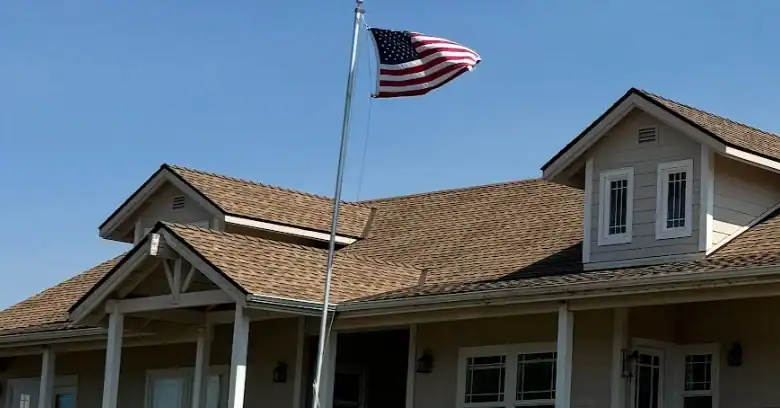
Comparing Premium Shingle Roofing Around Orcutt California?
Creative Roofing lays asphalt, architectural and designer shingles over carefully prepared decks, across Orcutt California and nearby.
Phone 805-723-2381 and we will go over what a shingle roof involves.
What a Shingle Roof Is Made Of
Each shingle is a thin sandwich of mat, asphalt and stone granules, and that is worth keeping in mind. Granule loss is the clearest sign that a shingle is wearing out, so a handful of grit in a downspout tells a story.
Three-Tab, Architectural and Designer Lines
Older houses often wear three-tab shingles because they were once the standard, and a little care goes a long way. Most new roofs on houses today use architectural shingles, which look richer and resist wind better, and the details are worth a closer look. Designer shingles are heavier and carefully styled to resemble natural slate or cedar, and it is easy to overlook.
Heat Is the Slow Enemy
Heat, ultraviolet light and temperature swings wear the surface steadily, and the difference shows how much the sun contributes. Edges that lift, corners that curl and surfaces that crack all point to age, and each one is a place a leak can start.
Cool Shingles and Heat Gain
Color is a practical decision as much as a matter of taste, and a sample held up outdoors shows the shade truthfully. Cool shingle lines are designed to lower roof temperatures without changing the look much, and the actual benefit depends on the house.
How Shingles Are Laid
Fastening is the quiet detail that separates a durable roof from a poor one, and a crew that cuts corners here causes trouble later. Starter shingles at the bottom edge anchor the first row and keep wind from getting underneath, and the pattern is part of the manufacturer specification. The cap shingles on a ridge take extra abuse from sun and wind, and it pays to think it through.
Holding Down Under Pressure
Shingles have a strip of adhesive that bonds each course to the one below once the sun warms it, so the two work together. Pieces that blow off expose the underlayment, which is not meant to sit in the sun, so a loose shingle should not wait for the next storm.
Heat Trapped Below Shortens the Roof
Airflow under the deck helps a shingle roof reach its full useful life, and the plan should be part of the proposal. The right combination depends on the shape of the roof and the size of the attic, so ask what will be done about ventilation.
Waterproofing Layers and Metal Pieces
Modern synthetic underlayments resist tearing and last better in strong sun, and it matters most when the roof is open to weather. Valleys are the crossing channels where two slopes meet, and they carry the most water on the roof, so quality work here matters a great deal.
Signs of Wear and Choosing Repair or Replacement
A roof that sheds grit, lifts at the edges and shows dark patches is reaching the end of its life, and early action keeps choices open. Isolated problems from a branch or a loose tab respond well to a simple repair, and a good roofer will tell you when a repair is enough. Putting money into a failing roof delays the inevitable and may cost more in the end, and choose the new shingles with care.
Stripping Down Before Building Up
Down to bare wood is how a careful crew starts, because new shingles are only as sound as the surface they are nailed to, and anything hidden gets found at this point. Putting a second layer on a tired roof can trap heat and moisture between the layers and shorten the life of both, and the decision deserves a little thought. Damaged decking is the most common surprise on a roofing job, and a good proposal says how it will be handled, and the cost of a few sheets is rarely large.
What the Site Should Look Like at the End
The first hour on site is spent setting up protection, and that time is well spent, and the crew returns it to normal when finished. Final cleanup should leave the property as orderly as it was found, apart from the new roof, and the work is not finished until the cleanup is. Letting grit and leaves pile up in a gutter can lead to overflow along the fascia and the foundation, and it pays to think it through.
Planning Around Rain and Heat
A roof installed in warm weather bonds sooner than one finished in cool, damp conditions, and that early bond helps in wind, and the calendar is only part of the question. On a scorching day the surface of a roof becomes too hot to handle, and the asphalt softens enough to mark if walked on carelessly, and a rushed job in extreme heat is a poor bargain.
Working Around Things That Share the Roof
Each opening in a shingle roof needs flashing built in layers with the courses, and the work is easier when the roof is already open, and replacing them together saves money. Solar panels bolted to a shingle roof have to be removed and reinstalled when the roof is replaced, so the two projects should be planned together, and that is worth keeping in mind.
Color, Fade and Repair Work
Some visual difference is normal after a repair, and it fades as the new pieces weather, so ask the roofer what to expect.
Carrying Water Away From the House
Without proper edging, rain can wick behind the shingles and attack the sheathing and fascia board over the following seasons, and ask the roofer to flag any rot.
Getting Specific About the Product
A good proposal names the shingle line, the color, the underlayment and the flashing materials, and a thorough contractor will be happy to explain. Check what happens if damaged sheathing is found once the old roof is off, and compare the replies from each company.
Ready to Compare Options
Those comparing Premium Shingle Roofing in Orcutt California can reach us by phone, so use 805-723-2381 to set up the next step. Planning ahead usually leads to better choices than reacting to an emergency, and the first step is just a phone call.
Verified

Verified
Verified
Verified
Verified






















