
Thinking About Residential Roof Contractors for a Home in Orcutt California?
Creative Roofing takes a roofing job from the first look to the last sweep of the yard, for homes in Orcutt California and the towns around it.
Phone 805-723-2381 and describe the project you have in mind.
Where a Roofing Job Begins
Before any material is chosen, the existing roof has to be understood, and the notes from that visit steer every later choice. Photographs taken on that first visit become the record for everything that follows, and each one goes into the notes.
Sunny slopes and shaded slopes tell different stories, and both matter, so the south and west slopes get the closest attention.
Setting the Scope of Work
Whether to fix or replace comes down to the condition of the layers beneath the surface, and the reasons should be easy to follow. Ask to see the problem areas, either in photographs or from the ladder, since the plan should make sense to the person paying for it.
When the decking underneath is damaged, the scope of the job grows, so a note on how it will be handled saves arguments later.
Picking a Roof Covering
The common choices are shingle, tile and metal, and each suits some houses better than others, since heavy coverings need a frame built to carry them. Lighter colors reflect more of the summer sun, while darker ones soak it up, and it pays to look at them at different times of day.
When the Crew Can Work
Roofing here follows the weather more than the calendar, and a careful crew never leaves an opening to chance. The temperature on the roof can run well above the temperature in the shade, and finishing early keeps people and materials in better shape.
What Happens on Demolition Day
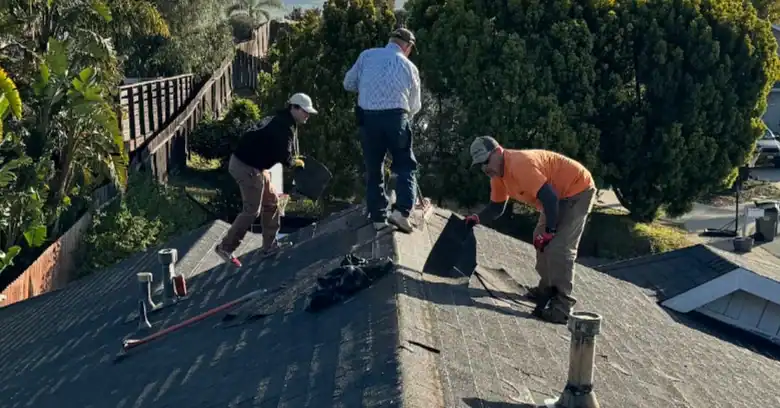
Tear-off gives the first real view of the structure under the roof, and debris goes into a bin or trailer rather than onto the lawn. Sound wood is the base everything else depends on, so this is not the place to save time.
The Hidden Layers
The surface you see is only the outer layer of a roof, and metal edging is set at the eaves and rakes before the covering. Reaching this stage quickly is a sensible way to protect the interior, and the finished surface is installed over a sound base.
Flashing and the Fiddly Parts
Flashing is the thin metal that keeps water out where the roof meets something else, and the cost is small next to the roof it protects. Pipe seals made of soft materials fail early in strong sun, and a little care goes a long way.
Air Under the Roof
An attic under a hot roof can reach extreme temperatures in summer, and the details are worth a closer look. A ventilation plan is worth a conversation before the job starts, and the answer should be part of the proposal.
The Last Day on Site
A finished roof still leaves a yard full of scraps, nails and packaging, so gutters are checked and cleared of loose granules. Looking at the ridge, the valleys and the flashing with the roofer present is time well spent, and a saved record answers questions nobody has thought to ask yet.
Local Rules and Paper Trails
Replacing a roof usually involves the local building department in some way, because surprises at the counter slow everything down. Areas with wildfire exposure often have extra requirements for roofing materials and vents, and a roofer working in the area should already know them. A proposal that names its materials and steps is easier to compare, so keep a copy where you can find it.
What Happens to the Yard
Roof work is hard on landscaping unless it is planned for, and that is worth keeping in mind. Moving vehicles out of range for the day is a simple precaution, so tell the crew about anything fragile or valuable. Inside the house, vibration can shake items from shelves and loosen attic insulation, and covering belongings is a sensible precaution.
What the Household Should Expect
A simple roof may go quickly while a complicated one takes longer, and the details are worth a closer look. A quick word with the people next door can head off complaints, so a friendly note goes a long way. Working from home during a roof job is possible, though not always pleasant, and a plan for the loud days makes them easier.
Questions That Reveal the Difference
Ask how the crew protects the house when rain is in the forecast, and it pays to think it through. Product names and thicknesses on the proposal let you compare like with like, and take your time reading it. Talk through how changes to the plan will be handled and agreed, and you will have a clear record.
Looking After a New Roof
Regular glances at the roof catch small problems early, so put it on the calendar like any other chore. Keep the gutters clear of leaves and needles, especially at the end of the dry season, and a small broom is often enough. Call a roofer after a major wind event or if you see a stain on a ceiling, and the earlier the better.
Choosing the Right Season
Many homeowners wait until a leak appears before they think about a roof, and the schedule fills quickly once the rains end. Winter work happens too, with crews watching the forecast closely, so do not feel the choice is locked in.
Checking the Space Beneath the Deck
Looking at the roof from inside the attic before the work begins reveals water stains, damp insulation and daylight where none should enter, and it is easy to overlook.
Getting Started in Orcutt California
Sorting out Residential Roof Contractors in Orcutt California is easier with someone who can look at the house, with 805-723-2381 ready whenever you are. The size of the project changes the schedule but not the principle, and we are glad to talk through the options. Putting off a roof question rarely makes it easier to answer, so pick up the phone when you are ready.
Verified

Verified
Verified
Verified
Verified






















