
Thinking About Roofing Services for a Home in Orcutt California?
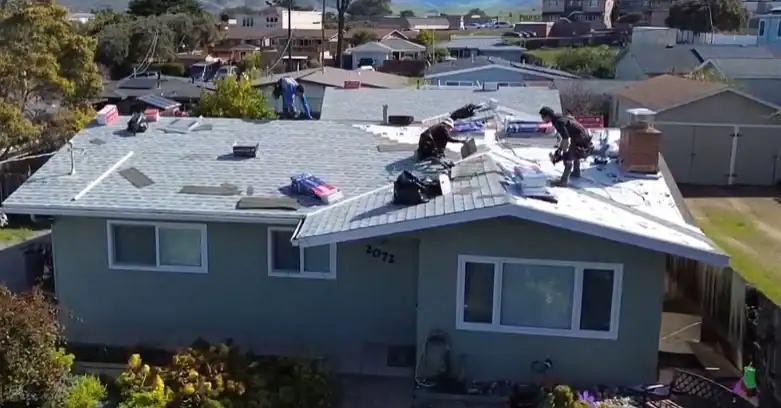
Creative Roofing covers each step of putting a new roof on a house, working in Orcutt California and nearby.
Ring 805-723-2381 and describe the project you have in mind.
Day One of a Roof Project
A roofing project begins with a close look at the surface, the edges and the pipes, and that is worth keeping in mind. The roofer checks the surface, the flashing, the vents and the gutter line, then the attic if it can be reached, so the visit usually takes longer than people expect.
Sun and heat age a roof in ways that rain alone never would, and a little care goes a long way.
Choosing How Far to Go
A roof can be repaired, partly rebuilt or removed entirely, and the evidence decides what is done, and the reasons should be easy to follow. Damage should be shown rather than only described, so do not feel awkward about asking.
When the decking underneath is damaged, the scope of the job grows, and it is easy to overlook.
Matching the Covering to the House
Three families of material cover most residential roofs in this region, and the style of the neighborhood often plays a part. Sun exposure makes color a practical question as well as a visual one, so do not settle the question from a photograph.
Planning for Rain and Heat
Dry months are the busy season for roofing, since an open roof and rain do not mix, and temporary dry-in layers keep the house safe overnight. Heat affects the work as well, so the day usually begins at sunrise.
Getting to a Clean Surface
Tear-off gives the first real view of the structure under the roof, and debris goes into a bin or trailer rather than onto the lawn. Once the deck is bare, any damaged boards are replaced, since good materials laid over a weak deck do not last.
Protection Under the Covering
Underneath the visible covering sits a water-resistant layer that does much of the work, and chimneys get particular care. Once the underlayment is down, the house is considered dried in, so the rest of the work can proceed without worry.
Flashing and the Fiddly Parts
Wherever the roof surface stops, a metal detail has to take over, since worn metal under new material becomes the weak link. Plumbing vents are among the most common sources of small leaks, and putting in new boots costs little when the roof is already open.
Attic Airflow
Attic heat is behind many worn roofs and many large cooling bills, since warm air rises on its own when it is given a path. Mixing vent types without a plan can short-circuit the airflow, and the answer should be part of the proposal.
Wrapping Up
A finished roof still leaves a yard full of scraps, nails and packaging, and a magnetic sweep picks up stray nails. Looking at the ridge, the valleys and the flashing with the roofer present is time well spent, and a saved record answers questions nobody has thought to ask yet.
Permits and Paperwork
Municipal offices have their own expectations for roof work, and the answer should be clear from the start. Wildfire concerns have changed what many local codes ask of a roof, and a roofer working in the area should already know them. A clear proposal lists what will be removed, what will be installed and what happens if the deck needs work, so keep a copy where you can find it.
Protecting the House and Yard
Roof work is hard on landscaping unless it is planned for, so tarps and plywood go down where debris will land. Children and animals should stay clear of the yard while the work is underway, so tell the crew about anything fragile or valuable. Hammering on the deck above can rattle a ceiling and drop dust into the rooms below, and it is best done the night before.
The Few Days of Commotion
Timing depends on the size of the roof, the complexity of the layout and the covering chosen, so ask for the expected start and finish up front. A quick word with the people next door can head off complaints, and the whole thing is over sooner than it seems. The loudest stretch is the tear-off, and it passes quickly, and a plan for the loud days makes them easier.
What to Ask Every Roofer
A sensible first question is what exactly is included in the scope, and it pays to think it through. Product names and thicknesses on the proposal let you compare like with like, so ask before you sign anything. Talk through how changes to the plan will be handled and agreed, and it is better to know in advance.
Keeping a Roof in Good Shape
Checking the roof twice a year takes only a few minutes, and it is easy to overlook. Debris on the roof holds moisture and wears the surface, and a small broom is often enough. Missing pieces, lifted edges or a new stain are all reasons to have someone look, and it pays to think it through.
When to Schedule the Work
Booking early in the dry season leaves time to compare more than one proposal, and the schedule fills quickly once the rains end. Any month can work with the right planning and a willingness to move a day, and the best season is often the one that fits your calendar.
Checking the Space Beneath the Deck
Insulation in the attic that is compressed, wet or missing should be noted, since a new roof is a good time to fix the whole assembly, and the findings can change the scope.
Talk to Us About Your Roof
A call is the simplest way to begin planning work in Orcutt California, so dial 805-723-2381 and say what you are seeing. Large or small, a roofing project goes best when the plan is clear before the work starts, and the roof will tell the story once someone looks. Putting off a roof question rarely makes it easier to answer, and nobody will rush you.
Verified

Verified
Verified
Verified
Verified






















