
Weighing New Roofing Companies in Santa Maria California?
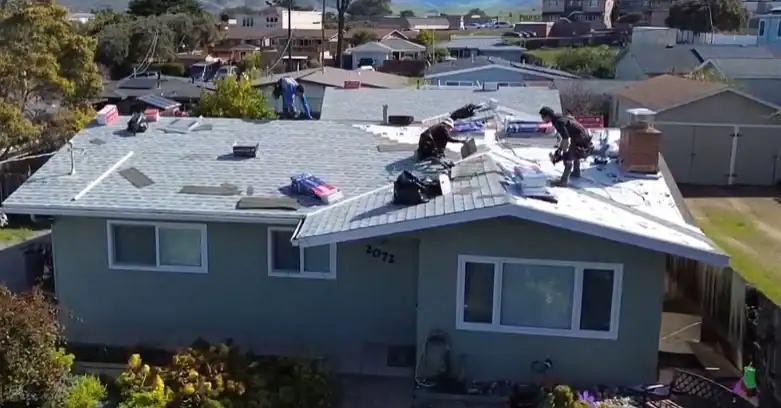
Creative Roofing handles the planning, the tear-off and the cleanup of a roof job, serving Santa Maria California and the places close by.
Ring 805-723-2381 to set up a time for someone to look at the roof.
Starting Out Right
The first visit is about gathering facts rather than picking a product, and the notes from that visit steer every later choice. The roofer checks the surface, the flashing, the vents and the gutter line, then the attic if it can be reached, and it pays to think it through.
Months of direct sun take a steady toll on whatever covers a house, and the sunniest side is usually the oldest-looking side.
What Should Actually Be Done
The right answer depends on how much sound material is left on the house, and an honest roofer will say which one applies. Findings that cannot be pointed to are findings worth questioning, since the plan should make sense to the person paying for it.
Wood that has been wet for a long time has to be cut out and replaced, and nobody should be surprised when it happens.
Shingle, Tile or Metal
Asphalt shingles, concrete or clay tile and standing seam metal are the coverings most often put on homes here, but the framing and the slope decide more than preference does. Lighter colors reflect more of the summer sun, while darker ones soak it up, so do not settle the question from a photograph.
Planning for Rain and Heat
For most of the year the weather here lets a roof go on with few interruptions, and crews watch the forecast closely. On very hot afternoons shingles soften and workers slow down, and the plan bends to the heat rather than the other way around.
Getting to a Clean Surface
Old roofing comes off in layers, down to the bare decking, so landscaping and windows are covered before the first piece comes up. Repairs to the deck happen now, before anything new is installed, and skipping the step shortens the life of an otherwise good roof.
Protection Under the Covering
Underneath the visible covering sits a water-resistant layer that does much of the work, so self-adhering membrane goes where leaks tend to begin. With the barrier in place the roof can shed rain even before the covering is finished, and the visible covering goes on from there.
Small Metal Pieces, Large Consequences
Flashing is the thin metal that keeps water out where the roof meets something else, so fresh metal is standard practice among careful crews. Sun dries and cracks the flexible parts over time, and a little care goes a long way.
Attic Airflow
Attic heat is behind many worn roofs and many large cooling bills, since warm air rises on its own when it is given a path. The design of the system matters more than the number of vents, and the answer should be part of the proposal.
The Last Day on Site
Final cleanup means more than a quick sweep, and that is worth keeping in mind. Photographs of the completed work are worth having for your own records, and it makes future repairs and sales smoother.
The Paperwork Side of a Roof
Local requirements shape the job before the first shingle is touched, and the process is easier when someone handles it for you. Where fire risk is high, the roof covering and the vents face tighter standards, and a roofer working in the area should already know them. The best paperwork leaves little room for misunderstanding, so keep a copy where you can find it.
Looking After Your Property During the Work
The ground around a house takes a beating during a roof project, so tarps and plywood go down where debris will land. Children and animals should stay clear of the yard while the work is underway, and keep a path clear for deliveries. The attic gets dusty during tear-off, and anything stored there will notice, and a sheet over stored boxes keeps the grit off.
Disruption and How to Manage It
The calendar for a job is set by the roof, not by the wish list, so ask for the expected start and finish up front. Informing nearby households is a courtesy that pays off, and it is easy to overlook. Remote workers may want a quiet spot elsewhere for a day or two, so consider a day out of the house if you can.
Getting Clear Before the Work Begins
Ask what will be done with the old material and how the deck will be handled, and anything left vague deserves a follow-up. Product names and thicknesses on the proposal let you compare like with like, so ask before you sign anything. Ask what happens if something unexpected turns up under the old roof, and settle it before the first day.
Keeping a Roof in Good Shape
A roof needs less attention than most parts of a house, but it needs some, and binoculars make the job easy. Trim branches that touch or hang over the roof, and it also reduces fire risk in dry months. A prompt visit after damage keeps a minor repair minor, and a photograph helps explain what you saw.
When to Schedule the Work
Many homeowners wait until a leak appears before they think about a roof, so a few weeks of lead time is common. Early fall is popular because the weather is still dry and the heat has eased, and a good roofer will explain the trade-offs.
Insulation, Ducts and Cables Under the Roof
The attic is the roof as seen from below, and it often gives the clearest picture of how the roof has been performing, and it is easy to overlook.
Getting Started in Santa Maria California
A call is the simplest way to begin planning work in Santa Maria California, with 805-723-2381 ready whenever you are. Every roof is different, so every conversation starts from the house itself, so there is no harm in asking questions first. Taking the first step is usually the hardest part of any home project, and the next step becomes obvious.
Verified

Verified
Verified
Verified
Verified






















