
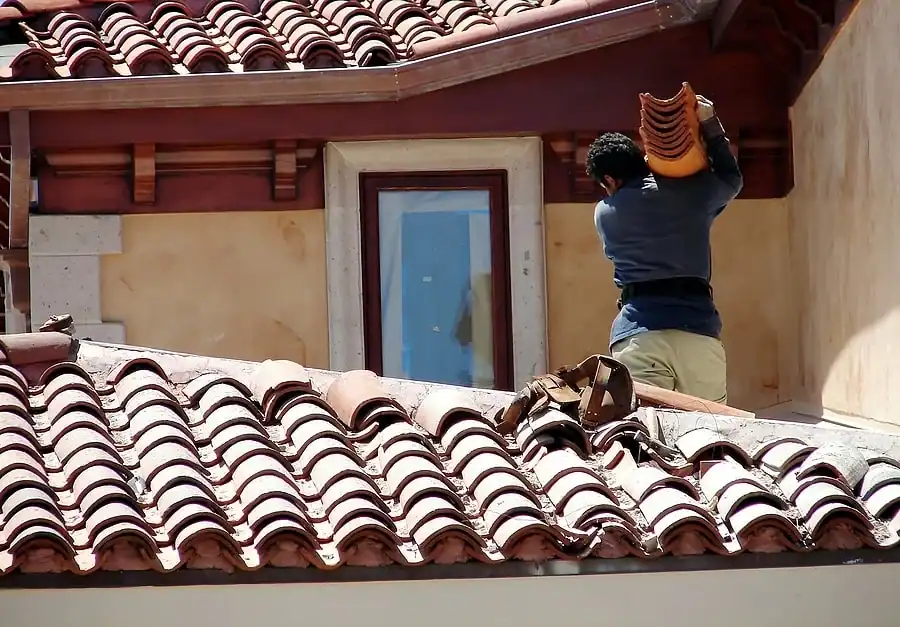
Weighing Concrete Tile Roofer Contractors in Sacramento California?
Creative Roofing installs, repairs and re-sets the heavy, long-lived coverings found on many homes in the region, throughout Sacramento California and the neighboring communities.
Dial 805-723-2381 and we will explain what is involved.
What Makes a Roof Out of Fired Clay or Molded Concrete Different
The surface you see is only the first line of defense on a roof like this, and that is worth keeping in mind. Natural clay holds its color for a very long time, while concrete may need more attention to its finish, and it pays to think it through.
Checking the Rafters Before Choosing
Many houses built for tile are designed to carry it, while others would need reinforcement, and a little care goes a long way. A house that was built for shingles may not be safe under a full load of concrete, and a casual answer should give you pause.
Why Leaks Start Below the Surface
Beneath the visible surface lies a waterproof membrane that does the hard work, and it is easy to overlook. A roof can look perfect from the street and be failing underneath, and high-temperature types are worth the small extra cost.
Sun, Heat and Dry Summers
The heavy mass of the pieces absorbs heat during the day and releases it slowly at night, and that is why roofs of this kind are so common in warm regions. A gentle wash and a clear sealer can refresh the appearance of an older roof, and a roofer can tell the difference.
Cracks, Slips and Broken Pieces
A piece cracks when someone steps on the wrong spot, and many are broken by workers on the roof for other reasons, and replacing a broken piece is a quick job. A short inspection after any work on the roof catches damage early, and keep spare pieces from the original installation.
The Detail Work on a Heavy Roof
Valleys carry the most water on a roof, and the metal channel beneath the pieces must be sound, so look at how the work is finished. The cap line at the top of the roof is one of its most exposed areas, so look for loose or missing cap pieces.
Holding Heavy Pieces in Place
The method of attachment depends on the slope, the wind exposure and the local rules, and the attachment method should be in the proposal. Bird stops and closures at the eave seal the openings where embers might enter, and the details are worth a closer look.
Repair, Re-Lay or Replace
The decision depends on how many pieces are cracked and how the underlayment is holding up, and avoid roofers who recommend replacement without looking. Replacing the whole roof is the right call when the pieces themselves are failing, the framing is damaged or the style no longer suits the house, and the structure should be reviewed first.
Holding the Pieces Together
Modern installations often replace mortar with clips, screws or flexible adhesive that tolerate movement without failing, so ask how the pieces will be held in place. The openings along the bottom edge of a profiled roof need a closure strip, or they become a doorway for pests and debris, and a little care goes a long way.
Looking After the Appearance
A gentle low-pressure wash can restore the appearance of a roof, but harsh pressure damages the surface and loosens the pieces, and a sealer can slow the return of stains. Pressure washers can strip the coating from concrete units and force water under the overlaps, so they are best avoided or used with great care, and a post-cleaning inspection is a good idea.
A Better Base for a Long-Lived Roof
Heavy felt, synthetic sheets and self-adhering membranes are the common options, and they differ in heat resistance and tear strength, and why. Combining a sturdy base layer with extra protection at critical points gives a roof two lines of defense, and the extra layer is inexpensive protection.
Planning Equipment Around the Units
Special hooks and flashing kits exist for these roofs, and an installer who uses them keeps the surface watertight, and the answer should be written down. Telling every visitor about the fragility of the surface prevents a surprising amount of damage, and a short sign near the hatch helps. A valley that is clogged with leaves and needles can send water sideways under the units, which they are not designed to handle, and a ladder and a soft broom are often all you need.
Picking the Right Unit for the House
Clay units are fired at high temperature, and their color runs all the way through, so a chip or scratch does not show a different shade beneath, and compare how they look in daylight. Flat profiles give a contemporary look and are often used on modern houses, while barrel shapes suit traditional architecture, and it pays to think it through.
Comparing Tile Roofing Proposals
The written scope should say whether the existing units will be reused and who will supply replacements, so ask for them before signing. Ask how the crew will handle the pieces, where they will be stored and how breakage will be managed, and the details are worth a closer look.
Stages of a Careful Re-Lay
Sorting the units as they come off lets the roofer count how many replacements will be needed and order matching pieces, so a re-lay is slower than a shingle job.
Seasonal Readiness for a Tile Roof
Before the dry season peaks, a quick walk around the house with binoculars can show broken units, loose ridge pieces and debris piled in the valleys, and a roofer can check them quickly.
Keeping Track of a Long-Lived Roof
A note of the underlayment type, the flashing metal and the fastening method helps any roofer who works on the roof later, and it costs almost nothing to keep them.
Next Steps for Your Roof
People researching Concrete Tile Roofer Contractors in Sacramento California are welcome to call with questions, with 805-723-2381 ready whenever you want to talk. Planning ahead usually leads to better choices than reacting to an emergency, and the first step is just a phone call.
Verified

Verified
Verified
Verified
Verified






















