
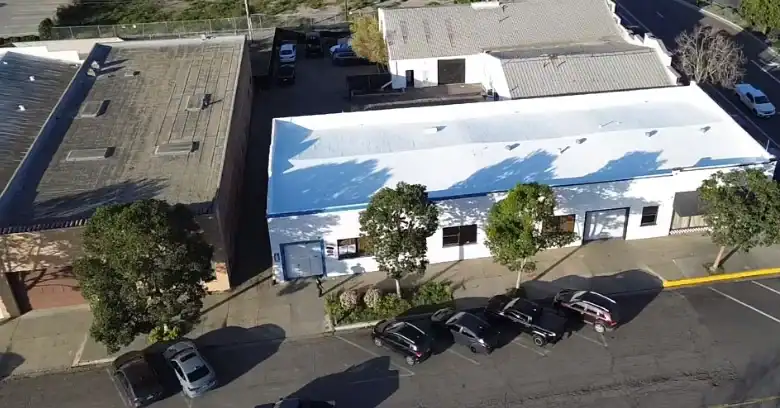
Looking Into Flat Roofing Near Sacramento California?
Creative Roofing knows how a roof without a pitch is built, why it leaks and how to make it last, across Sacramento California and nearby.
Reach us at 805-723-2381 to arrange a visit to look at the roof.
The Challenge of a Level Surface
A roof with barely any pitch is a different design problem from the ordinary sloped kind, and the materials and details are chosen for it. Standing water multiplies every defect and speeds up aging, and look at examples of their finished work.
What Goes on a Low-Slope Roof
Thermoplastic membranes are light-colored, reflective and joined by heat into one watertight skin, and the quality of the welds is the main concern. The big rolls of rubber cover large areas with few seams, and the details are worth a closer look. The multiple plies mean that a flaw in one layer is backed up by the next, so the structure has to carry it.
Details That Fail First
Most flat roof leaks start at a detail rather than in the middle of the roof, and a roofer should walk every foot of the edge. The edges around the perimeter take the most punishment from sun and wind, and a small bead of sealant in time prevents a big repair.
When Water Will Not Leave
A roof that holds puddles is telling you about a low spot or a blocked drain, and the first storm of the season shows the problems. A new roof is the best time to correct drainage problems for good, and the details are worth a closer look.
Sun, Heat and Reflective Surfaces
Heat makes a membrane expand during the day and shrink at night, and a reflective finish lowers that stress. Liquid coatings are rolled or sprayed onto a sound roof to form a continuous reflective skin, and a coating cannot rescue a roof that is wet inside.
Foot Traffic, Equipment and Penetrations
Skylights and hatches add edges that need careful flashing, so these spots deserve regular checks. Roof-mounted air conditioners and other equipment bring service people who walk on the membrane, and a little care goes a long way.
Repair, Recoat or Replace
A flat roof with a few leaks and a sound membrane can often be repaired for a fraction of the cost of replacing it, so ask to see where the water is getting in. Adding a new membrane over an existing one is possible in some cases and saves removal costs, and the survey is worth the small cost. Replacing wet insulation restores the performance of the roof and the comfort of the rooms below, so begin conversations before the leaks become urgent.
Small Flat Roofs With Big Responsibilities
Many homes combine a pitched main roof with flat sections at the back or the sides, and the two meet in a joint that needs careful flashing, and it pays to think it through. Where a flat porch roof meets the wall of the main house, the membrane has to climb the wall and be capped so that water cannot run behind it, so look at the wall as well as the roof. Pavers, decking and planters laid over a membrane protect it from the sun but hide it from view, and avoid fastening anything through the membrane.
Heat Gain and Thermal Layers
Rooms beneath a flat roof often feel warmest in late afternoon, when the surface has soaked up a full day of sun, so ask what insulation is part of the proposal. A moisture survey with a meter or an infrared camera can map the wet areas without tearing the roof apart, so ask whether a survey is part of the process.
Seasonal Checks for a Level Roof
Drains, scuppers and gutters should be cleared first, since blocked outlets cause more damage than any other single fault, and a small repair now is nearly always cheaper. After a heavy storm or a spell of high wind, a quick look from a ladder can show whether anything has shifted, lifted or collected on the surface, and it pays to think it through.
Securing the Roof Against the Wind
Gusts lift a flat roof from its edges and corners, where the pressure is highest, and a membrane that is not firmly attached there can peel back like the lid of a can, and a small problem there grows quickly. Stones that have been scattered by wind or foot traffic leave bare patches that expose the membrane to ultraviolet light, so inspect the outlets after any disturbance. Crowded rooftops with many pipes and units are slow to roof, because every obstacle needs its own flashing and sealing, and it is easy to overlook.
Skylights, Hatches and Vents on a Level Roof
Old skylights on flat roofs are a frequent source of leaks, because the seals harden in the sun and the frames move over time, and no skylight should be roofed over without a plan. Plumbing vents, conduits and exhaust ducts pass through the membrane and need boots, collars or pitch pockets that suit the material, and mark each one on a sketch. Overflow scuppers set slightly higher than the main drains act as a safety valve when the primary outlet is blocked, and a quick look takes only a minute.
Reading Competing Bids
Specific wording is your best protection against disputes, and a careful contractor will explain every line. The answers tell you more than a brochure or a website ever could, so write down what each company says.
Keeping Disruption Small
Workers on a low-slope roof often arrive early, because the surface heats up quickly and some products behave better in the cool of the morning, and that is worth keeping in mind.
Short Answers About Low-Slope Roofing
Questions about a level roof are best answered by someone who has looked at it in person, and it pays to think it through.
Tell Us What You Are Dealing With
Anyone sorting out Flat Roofing in Sacramento California is one call away from a straight answer, so dial 805-723-2381 when it suits you. Whether the roof is leaking now or you are planning ahead, an early conversation keeps your options open, and we are glad to help you sort it out.
Verified

Verified
Verified
Verified
Verified






















