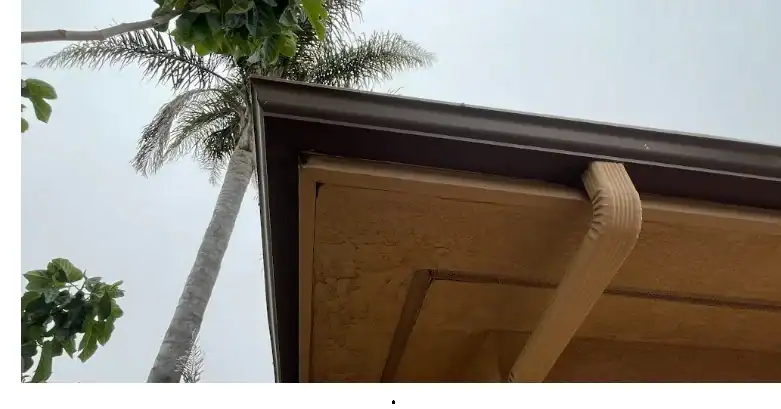
Thinking Through Gutter Cleaning Services Around Sacramento California?
Creative Roofing looks at where rain goes after it leaves the roof and how to keep it from doing harm, in Sacramento California and the neighborhoods around it.
Ring 805-723-2381 if you would like someone to look at your roof edge and downspouts.
After the Roof Has Shed the Storm
A roof collects a surprising amount of rain, and all of it has to go somewhere, and the soil near the walls is the place most at risk. The eave line is where the gutter takes over from the roof and starts steering the flow, and a well-placed outlet saves a flowerbed and a foundation. Downspouts, elbows and outlets make up the other half of the system, so it pays to look before the storm.
The Jobs a Gutter System Performs
A wall that stays dry holds its paint longer and resists staining and rot, and the savings show up around the whole property. Fascia boards are often the first casualty of a gutter that leaks behind the trough, and the whole property benefits. Soil beside the foundation does best when it stays at a steady moisture level, and downspout extensions do that job well.
How the Local Climate Loads Your Gutters
The first big storm after a dry summer tests gutters harder than a steady rain would, and a pre-season check is the most useful one of the year. Roof granules and dust from the dry season turn to silt in the bottom of the trough, and a gentle brush clears most of them. Wind strips branches and fills gutters overnight, so a clean gutter in the morning may be full by evening, and a look from the ladder tells more than a calendar.
What Happens When Gutters Clog
Once a trough fills with debris it stops moving water and starts holding it against the house, and the damage is often hidden behind the trough. A proper cleaning is a short list of tasks: scoop, flush, inspect and haul away, and hands-on work from a ladder is best left to people who do it often. Photographs before and after cleaning make a good record of what was found, so work from one end toward the downspout. Tools for the job include a sturdy ladder, gloves, a small scoop and a garden hose, so work slowly and keep three points of contact.
Clearing Fuel From the Edge of the Roof
A gutter packed with dry debris gives an ember a place to settle and smolder against the roof edge, so add it to the list of seasonal tasks. Any cover needs to be checked and brushed clear, because a covered gutter can clog from the top, so combine covers with routine checks.
Gutter Types, Sizes and Materials
Gutters come in several profiles, with half-round and K-style the most common on houses, and a roofer can match the system to the roof. Downspouts come in round and rectangular shapes, and the larger sizes move water faster, and a small profile is fine where it fits. Aluminum is light and does not rust, and steel is strong but needs a protective finish, and a sample held up to the house helps.
Slope, Hangers and Downspouts
Each downspout is placed so that it carries a share of the water without being overwhelmed, and uneven spacing is a common reason for failure. Long runs may need a high point in the middle and a downspout at each end, and a level confirms the suspicion. Flashing at the roof edge guides water into the trough instead of behind it, and a roofer will check the transition from roof to gutter.
Where the Pipe Ends Matters
Splash blocks spread the flow so it does not dig a hole, and extensions carry it further, and underground pipes should be flushed from time to time. Hinged extensions swing out of the way for mowing and fold back after rain, and a few extra feet make a big difference. Soil should slope gently away from the foundation so that surface water follows the same path as the pipe, so a rain barrel is a nice way to use the water. Rain barrels need a screen and a secure lid, and the overflow must be directed away from the house, so size the barrel to the downspout it serves.
Signs Your Gutters Need Attention
A rainy afternoon is the best inspection day, because every problem shows itself at once, and early notice keeps the repair small. A wall stain that begins at a corner points to a joint that has opened up, which is the most common cause of overflow. Careful observation during a storm shows what a dry inspection cannot, and a photo with a time stamp helps too. Peeling paint under the eaves, soft wood at the fascia and puddles near the foundation are the downstream results of a gutter problem, and the roofer can inspect both the roof and the trough in one visit.
Fix a Section or Start Over
Many gutter problems are small, local and cheap to correct if they are caught early, and small repairs are easy to fit into a roof visit. Repairs at the edge are best coordinated so the gutter and the roof are fixed in the right order, and fresh wood gives the hardware something to grip. Fresh sealant at a seam works when the metal is sound and the gap is small, and the cost is usually in the labor rather than the metal. The work is easier when both are done together, and the details at the eave line up better, and the conversation is worth having before the work begins.
Questions About Your Gutters
Questions about Gutter Cleaning Services in Sacramento California are welcome, from a single leaking corner to a plan for the whole house, with 805-723-2381 ready when you are. A short description is enough for a first conversation, and the details can come later, and Creative Roofing is glad to talk it through. Rain is a fact of life here, and a short season makes it easy to forget about drainage until the first storm, and the next rain is a good deadline. Roof edges that drip, overflow or sag all point to the same underlying issue, which is water without a path, and the fix starts with a short inspection. Planning for runoff early keeps later choices simple and keeps repairs few, and the plan can be modest.
Verified

Verified
Verified
Verified
Verified