
Shopping for Luxury Shingle Roof Installations Around Sacramento California?
Creative Roofing lays asphalt, architectural and designer shingles over carefully prepared decks, across Sacramento California and nearby.
Call 805-723-2381 to set up a visit to look at your shingles.
What a Shingle Roof Is Made Of
The common residential shingle starts as a reinforcing mat, which is coated with asphalt and then surfaced with mineral granules, and the mat gives the piece its strength. Granule loss is the clearest sign that a shingle is wearing out, so a handful of grit in a downspout tells a story.
Basic, Laminated and Premium
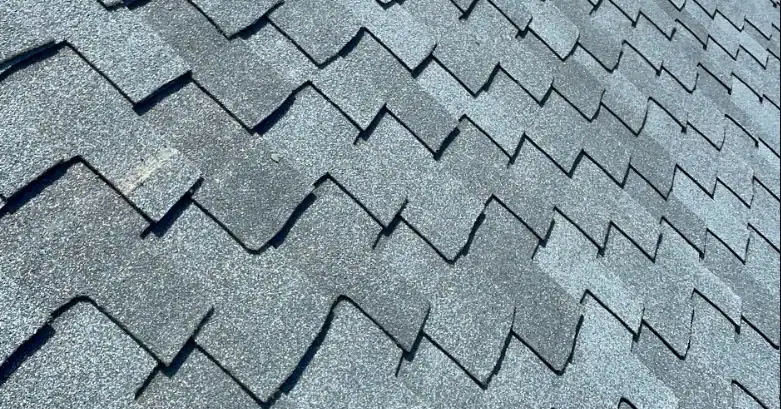
A three-tab shingle has a flat, uniform look and the thinnest profile of any common type, and a little care goes a long way. Architectural shingles are made of two or more laminated layers that give the roof depth and shadow, and the difference shows in the finished roof. Designer shingles are heavier and carefully styled to resemble natural slate or cedar, and the framing should be checked before choosing the heaviest types.
How California Weather Wears a Shingle
Months of direct sunshine take a toll that the eye picks up slowly, and the effects are visible on the south and west slopes first. Edges that lift, corners that curl and surfaces that crack all point to age, and each one is a place a leak can start.
Picking a Shade That Works in the Sun
A pale shade reflects more sunlight than a dark one, which can reduce heat entering the attic, and the effect is easiest to see on a hot day. Reflective granules can bring a dark color closer to the performance of a light one, so ask for the product details and the rating.
How Shingles Are Laid
Shingles are fastened with nails placed in a specific spot, and a few inches either way changes how well they hold, and it is easy to overlook. Offsetting the seams from row to row keeps leaks from lining up, and the pattern is part of the manufacturer specification. The cap shingles on a ridge take extra abuse from sun and wind, and replacing a ridge is simple when done in time.
Gusts and Loose Tabs
Shingles have a strip of adhesive that bonds each course to the one below once the sun warms it, and checking for lifted tabs after a windy spell is a good habit. Strong seasonal winds can lift tabs that have lost their seal and tear them off the roof, and a pattern of lifting suggests the roof is aging.
Heat Trapped Below Shortens the Roof
A balanced system of intake and exhaust keeps the temperature under the roof closer to the air outside, and the eaves and the ridge are where the vents belong. More vents is not better, and mixing types can short-circuit the flow, and that is worth keeping in mind.
Flashing, Valleys and Underlayment
Felt paper or synthetic sheets cover the deck and give a second line of defense, and a better underlayment costs little in the whole job. Chimneys, walls and skylights need step flashing and counterflashing worked into the shingle courses, and a little care goes a long way.
Signs of Wear and Choosing Repair or Replacement
Granules in the gutters, curling edges and bald spots are the most reliable signs of an aging shingle roof, and the details are worth a closer look. Patching makes sense when the damage is limited and the shingles are otherwise healthy, so ask for photographs of the problem areas. Replacement is the sensible answer once the field of shingles has lost its protective surface, so plan the project before the leaks begin.
Stripping Down Before Building Up
Removing every old layer is the usual starting point, since it exposes the deck and shows whether anything underneath needs repair, and the bare deck is also the moment to check ventilation openings. Putting a second layer on a tired roof can trap heat and moisture between the layers and shorten the life of both, and the decision deserves a little thought. Since the extent of deck damage cannot be known until the old roof is off, a fair agreement sets a method for pricing the extra work, and the details are worth a closer look.
Cleanup, Nails and Protecting the Property
Protecting the house is part of the work, not an extra, and the plan should say how landscaping and windows will be shielded, and move vehicles and furniture the night before. Final cleanup should leave the property as orderly as it was found, apart from the new roof, and the work is not finished until the cleanup is. Gutters should be cleared of granules and debris once the new roof is on, since the first rains will wash any leftovers into the downspouts, and a clear gutter is cheap protection.
Choosing the Right Season for Shingles
Asphalt shingles seal themselves down with heat from the sun, so warm, dry days produce the best bond and the neatest finish, and a little care goes a long way. Crews adjust to the heat by working early and finishing before the worst of the afternoon, which protects the material and the people, and the schedule bends to the weather.
Skylights, Chimneys and Solar Panels
Each opening in a shingle roof needs flashing built in layers with the courses, and the work is easier when the roof is already open, and it is easy to overlook. Solar panels bolted to a shingle roof have to be removed and reinstalled when the roof is replaced, so the two projects should be planned together, and a little planning saves a lot of expense.
Making a Repair Look Right
A roofer can often borrow shingles from a hidden slope or the back of the house to repair a more visible area, which gives the best match, and a small color difference is not a defect.
Gutters, Drip Edge and the Roofline
Shingles should overhang the drip edge by a small, consistent amount so that water drops cleanly into the gutter instead of curling back under, and old fascia boards are easy to replace while the roof is open.
What to Look for in Writing
Look for the product by name so that you can compare it with another bid, and read them slowly. Ask about the schedule and how the roof will be covered if rain is forecast, so take notes during the conversation.
Ready to Compare Options
Homeowners weighing Luxury Shingle Roof Installations in Sacramento California can begin by describing the house and the look they want, and 805-723-2381 reaches someone who can help. Even a quick call can clear up questions about shingle grades, colors and timing, and the first step is just a phone call.
Verified

Verified
Verified
Verified
Verified






















