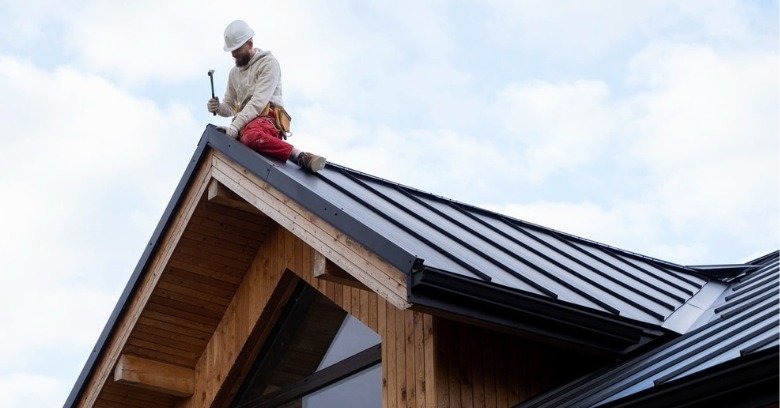
Looking Into Standing Seam Metal Roofers Throughout Sacramento California?
Creative Roofing installs standing seam, corrugated and metal shingle roofs for homeowners, serving homeowners in Sacramento California and beyond.
Reach us at 805-723-2381 to talk through the panel styles and what would suit the house.
The Basics of a Metal Covering
Most residential metal roofs start with sheets rolled to a profile and finished with a baked-on coating, so it helps to understand each part. Aluminum is lighter and resists rust naturally, which suits some situations, so the choice depends on the house and the budget.
The Shapes Metal Takes
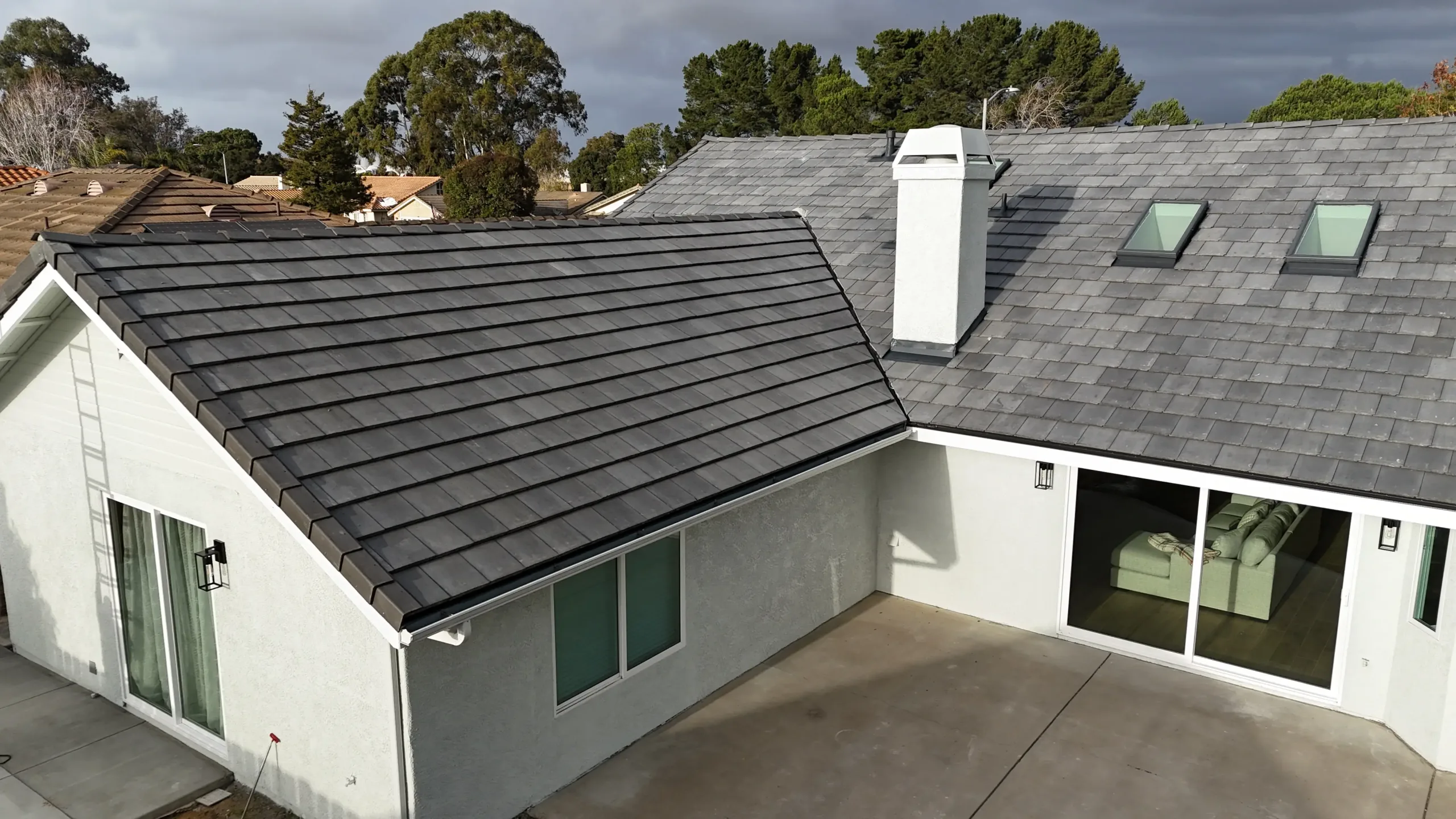
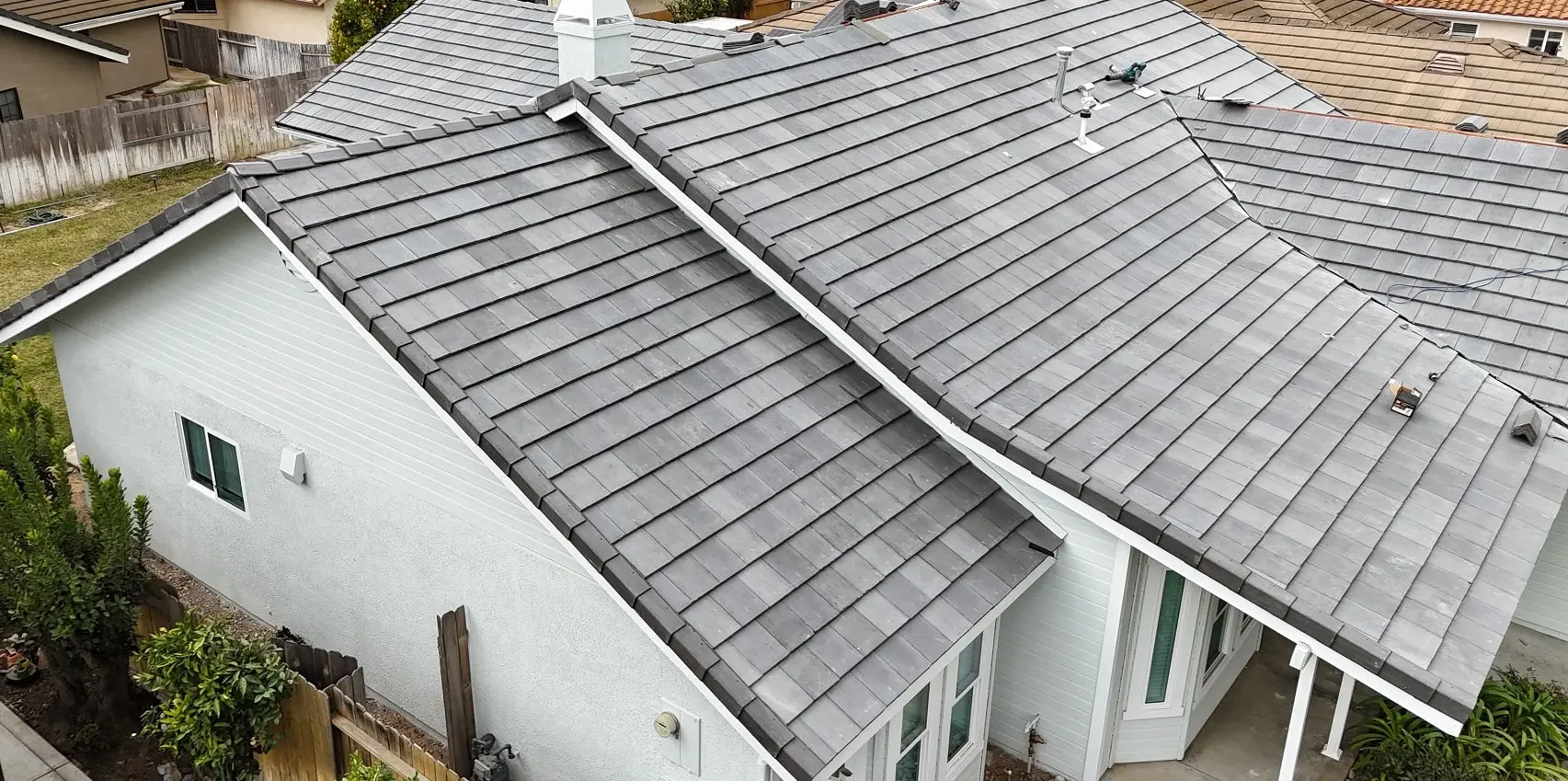
Concealed clips hold standing seam panels without putting screws through the surface, so the seams can be long and unbroken. Corrugated and ribbed panels are fastened with screws that pass through the face of the sheet, so maintenance is part of the deal. Stone-coated steel panels have a granular finish fused to a formed steel base, and the granule surface also quiets the sound of rain.
Heat and Light Over Time
Months of ultraviolet light fade finishes that are not made to resist it, so look at the finish as carefully as the panel. Cool-roof coatings are designed to reflect sun and shed heat quickly, and it pays to think it through.
Metal Grows and Shrinks Every Day
A panel in summer sun can be measurably longer than the same panel on a cool night, and fastening in the wrong place can cause noise or damage. Exposed fasteners rely on rubber washers that harden and crack in strong sun, and it is an easy job when caught early.
Holding Metal Down in the Wind
Uplift is the force that matters on a lightweight covering, and the details at the perimeter are where it shows. Ridge caps and closures keep wind-driven rain and debris out of the ridge opening, and they are easy to overlook.
Fire Safety on a Metal Roof
Panels made of steel or aluminum do not ignite from windblown embers, and the details around vents and edges matter as well. A fire-safe roof needs screens on vents and clear gutters as much as a good covering, and trim trees back from the house.
The Real Story on Metal Roof Noise
The reputation for noise comes from barns and sheds with no ceiling below the panels, so the idea that metal roofs are loud mostly comes from unfinished buildings. Attic comfort is a matter of ventilation, insulation and surface working together, and the details vary from house to house.
Preparing the Deck for Panels
Metal panels need a flat, solid deck, and any damaged sheathing is replaced before the panels go on, and heat-resistant types last longer. Flashing around chimneys, skylights, walls and pipes is custom bent from the same type of metal, and it pays to think it through. Lines that run true from ridge to eave are a sign of careful layout, and a little care goes a long way.
What a Metal Roof Needs From You
A metal roof asks for less work than most coverings, but it still deserves an occasional look, and the work takes very little time. Choosing matching metals for trim, flashing and fasteners prevents a common failure, and it is easy to overlook.
Handling a Sudden Downpour
The first big rain of the season tests every drainage detail on a house, and valleys need to be wide and clean. Overshooting is a known issue where a fast-draining roof empties straight over a gutter, so ask how the gutters will be positioned.
Can Metal Go Right Over Shingles
A retrofit system uses strips or battens fastened over the old covering to carry the new panels, and hidden problems under old shingles stay hidden. A full tear-off adds work, but it gives the best view of the structure, and it costs more in time and disposal.
Roof Pitch and Metal Choices
A shallow roof demands a system with sealed or mechanically locked seams, and using a panel below its minimum invites leaks. Porches, patios and additions often have lower slopes than the main roof, and a good installer will have done it before.
Metal Roofs and Long-Term Value
The material itself does not rot, crack or curl the way other coverings can, so the whole system deserves attention. Appearance, durability and fire resistance all add to the appeal, so save the paperwork and the touch-up paint.
Common Problems and How to Prevent Them
The most common metal roof complaints trace back to installation, not to the material, and it is far easier to prevent than to repair. Anyone who must go on the roof after installation should be careful where they step, and a small touch-up prevents a big problem.
What to Ask Before You Choose
Look for the base metal, the finish and the attachment method written out in plain terms, and a thorough contractor will welcome the questions. A contractor with experience can explain problems before they happen, and a confident roofer will be happy to oblige.
Choosing Colors and Finishes
Most residential panels carry a factory-applied finish that is cured onto the metal in a controlled process, so ask what finish is on the panels. Lighter and mid-tone colors tend to hide dust and minor wear better, and do not decide from a screen. Some communities have design review that applies to roof color and style, and approvals take less effort when started early.
Details Around the Edge of a Metal Roof
Metal trim at the eave gives the roof a finished look and keeps water away from the wood behind it, and a neat edge is the mark of a careful crew. Cleaning the gutters before the rainy season is the simplest way to avoid overflow at the eave, and keep branches trimmed back from the roof.
Why Metal Jobs Take a Little Longer to Start
The wait between choosing a color and receiving the material is a normal part of a metal job, and the delay is usually worth it.
Ready to Look at Options
A conversation about Standing Seam Metal Roofers in Sacramento California usually starts with the style of the home, with 805-723-2381 ready whenever you want to talk. Whether the roof is leaking now or you are simply planning ahead, an early conversation keeps your options open, and the details are worth a closer look.
Verified

Verified
Verified
Verified
Verified