
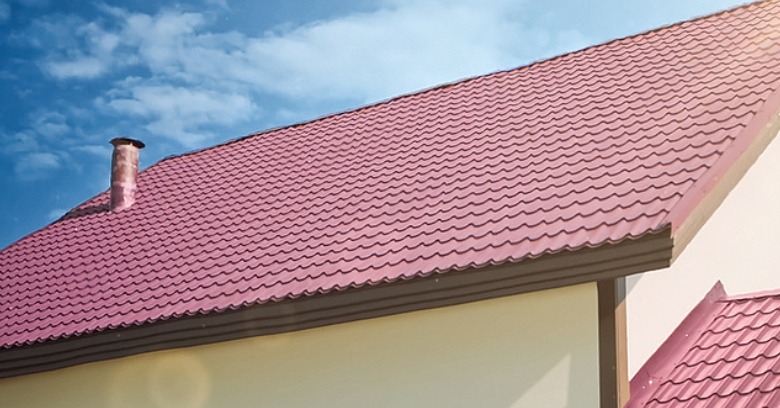
Researching Metal Shingle Roofing Serving Sacramento California?
Creative Roofing works with metal panels, clips, trim and the details that hold them together, from Sacramento California out to the surrounding area.
Phone 805-723-2381 and we will explain how a metal roof goes together.
Metal Roofing in Plain Terms
A metal roof is a system of formed panels, fasteners, trim and underlayment that works together, so it helps to understand each part. Aluminum is lighter and resists rust naturally, which suits some situations, and each material has its own strengths.
Panel Styles You Will Hear About
Concealed clips hold standing seam panels without putting screws through the surface, and a little care goes a long way. Screw-down panels cover large areas economically and quickly, so maintenance is part of the deal. Many homeowners choose these products when they want a traditional look in a metal system, and the granule surface also quiets the sound of rain.
Heat and Light Over Time
Metal responds to the sun more rapidly than most coverings, warming by day and cooling at night, and quality finishes are made for that exposure. Special pigments can keep even a dark color cooler than ordinary paint, and the benefit depends on the house and the attic.
Expansion, Clips and Fasteners
Movement is a fact of life for metal, and the design has to allow for it, and good detailing allows for it. Periodic tightening and replacement keeps the system watertight, so a check every few seasons is wise.
Wind, Edges and Seasonal Gusts
Seasonal gusts pull hardest at the corners, the rakes and the ridge, so trim should be fastened to a proper pattern. Foam or metal closure strips seal the gap between the panel profile and the trim, so ask about them in the proposal.
Ember-Resistant Details
A noncombustible material, metal is popular in areas that worry about wildfire, and the details around vents and edges matter as well. A fire-safe roof needs screens on vents and clear gutters as much as a good covering, and a clean roof helps more than most people expect.
Noise, Insulation and Comfort
People often worry that rain on a metal roof will be loud inside the house, and you can ask to hear a sample on site. Attic comfort is a matter of ventilation, insulation and surface working together, and it is easy to overlook.
Installation Details That Matter
Underlayment designed for high temperatures goes over the deck first, and heat-resistant types last longer. Transitions between slopes need precise cutting and folding, and sloppy details tend to leak. Panels are cut to length, hemmed at the ends and fastened in a set order that keeps them straight, so patience on the first row saves trouble on the last.
Maintenance and Longevity
Scratches should be touched up before bare metal is left exposed, so keep the touch-up color the installer leaves behind. Fasteners must be compatible with the panel metal to avoid galvanic reactions, and the roofer should know the rules.
Where the Water Goes
Water runs off a metal panel quickly, which puts a lot of flow into valleys and gutters, and valleys need to be wide and clean. Overshooting is a known issue where a fast-draining roof empties straight over a gutter, and it pays to think it through.
Metal Over an Existing Roof
In some cases metal panels can be installed over an existing shingle roof, which saves the cost and mess of tear-off, and a careful inspection decides whether it makes sense. Starting from bare wood is the most thorough approach, and it costs more in time and disposal.
What the Roof Angle Allows
A shallow roof demands a system with sealed or mechanically locked seams, and the specification sheet settles the matter. Combining two panel types on one house is common and usually works well, and the result should look planned rather than patched.
Metal Roofs and Long-Term Value
Durability depends on the quality of the coating, the panels and the installation, and it is worth paying for good installation. Keeping records of the installation helps when the house changes hands, and ask what documentation comes with the job.
Common Problems and How to Prevent Them
The most common metal roof complaints trace back to installation, not to the material, and that is why the choice of installer matters. Walking on a metal roof can dent or scratch it if done carelessly, so keep the repair paint on hand.
Questions for a Metal Contractor
Vague wording about metal roofing leaves too much to chance, and it is the specifics that you are really buying. A contractor with experience can explain problems before they happen, and trust your sense of the conversation.
Looking Good Under a Strong Sun
Color on a metal roof comes from the coating rather than from the metal itself, and a little care goes a long way. Matching trim to the panels keeps the roof looking uniform from the street, and take it outdoors. A quick check before ordering avoids an expensive surprise, and approvals take less effort when started early.
Completing the Roofline
Metal trim at the eave gives the roof a finished look and keeps water away from the wood behind it, and the details are worth discussing before work begins. Debris that collects at the valley can block the flow and force water under the panels, and it pays to think it through.
Measuring, Forming and Delivery
The wait between choosing a color and receiving the material is a normal part of a metal job, and it varies with the season and the maker.
Ready to Look at Options
Homeowners weighing Metal Shingle Roofing in Sacramento California can begin by describing the house and the look they want, so dial 805-723-2381 when it suits you. Calling before a problem becomes urgent makes it easier to compare materials and schedules, so reach out whenever you are ready.
Verified

Verified
Verified
Verified
Verified






















