
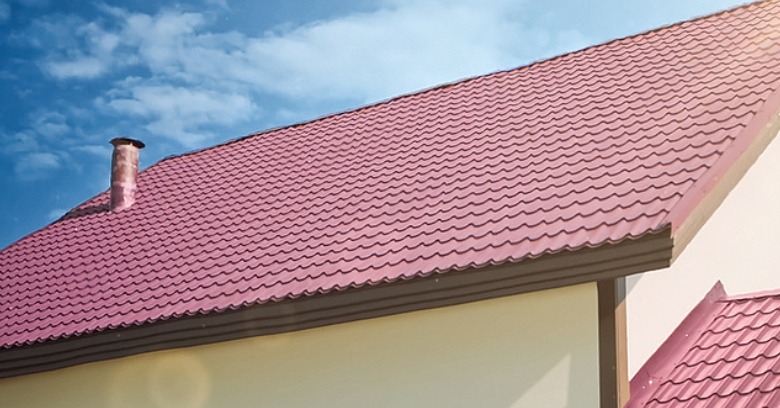
Thinking About Standing Seam Metal Roofing Serving Sacramento California?
Creative Roofing builds and repairs metal roofs, from simple ribbed sheets to concealed-fastener systems, serving homeowners in Sacramento California and beyond.
Dial 805-723-2381 and describe the roof you have in mind.
The Basics of a Metal Covering
Every metal roof is a combination of panel, fastening method and finish, and the quality of the whole depends on the weakest piece. Aluminum is lighter and resists rust naturally, which suits some situations, and the finish is as important as the metal.
Metal Roof Styles Compared
Hidden fasteners are the signature of a standing seam system, so the seams can be long and unbroken. Exposed-fastener metal is the traditional barn and shed style and is also used on homes, and many owners are happy with the trade-off. Stone-coated steel panels have a granular finish fused to a formed steel base, and installation uses small pieces rather than long panels.
Color, Coatings and Reflectivity
Long dry summers put a metal roof under strong sun for months at a stretch, so look at the finish as carefully as the panel. A pale panel reflects more solar energy than a dark one does, and ventilation underneath still matters.
Expansion, Clips and Fasteners
Temperature changes make panels grow and shrink along their length, and a little care goes a long way. Screws that back out slightly over time let water in around the head, so a check every few seasons is wise.
Holding Metal Down in the Wind
Uplift is the force that matters on a lightweight covering, and the details at the perimeter are where it shows. Ridge caps and closures keep wind-driven rain and debris out of the ridge opening, and examine them after a windy spell.
Fire, Embers and Metal
Wildfire season has made many homeowners look closely at noncombustible roofing, and it pays to think it through. Keeping the roof clean is part of keeping a house safer in dry months, and a clean roof helps more than most people expect.
Rain, Heat and Quiet Rooms
The reputation for noise comes from barns and sheds with no ceiling below the panels, so the idea that metal roofs are loud mostly comes from unfinished buildings. A metal system does not replace insulation, but it can cooperate with it, and the results are noticeable in summer.
Installation Details That Matter
Waviness or soft spots in the deck show through thin metal and can cause trouble, so ask which product will be used. Flashing around chimneys, skylights, walls and pipes is custom bent from the same type of metal, and a neat result is a good sign. Snap-lock panels are pressed together row by row as the roof goes up, and small errors add up quickly.
Keeping Metal in Good Shape
A rinse with a garden hose clears dust and keeps the finish looking fresh, so keep the touch-up color the installer leaves behind. Dissimilar metals can cause corrosion when they touch in the presence of moisture, and avoid pressure washers on a finish.
Gutters, Valleys and Runoff
Metal sheds rain faster than almost any other covering because the surface is so smooth, and that is worth keeping in mind. Gutter placement and drip edge details matter more with metal than with rougher surfaces, and it pays to think it through.
Can Metal Go Right Over Shingles
Installing over old shingles is possible when the roof is flat, sound and carries only one layer, and hidden problems under old shingles stay hidden. A full tear-off adds work, but it gives the best view of the structure, and it costs more in time and disposal.
What the Roof Angle Allows
Not every metal panel is suited to every roof slope, and the specification sheet settles the matter. Combining two panel types on one house is common and usually works well, and that is worth keeping in mind.
Thinking Beyond the First Installation
Metal roofs are known for lasting a long time when installed well and kept in good order, and it is worth paying for good installation. Homebuyers often view a metal roof as a selling point, especially in areas with wildfire concern, and future owners will appreciate it.
Where Metal Jobs Go Wrong
Noise from movement usually means the panels were pinned down where they should have been free to slide, so experience counts for more than a low figure. Anyone who must go on the roof after installation should be careful where they step, and avoid walking on it if you can.
Getting Specific About the System
The proposal should state whether fasteners are concealed or exposed, so ask for details in writing. Metal roofing is a skill, and installing standing seam differs from installing screw-down panels, and listen to how the answers are given.
Paint Systems on Metal
A good finish is the first defense against weather and the most visible part of the roof, and check the sample for color stability. Matching trim to the panels keeps the roof looking uniform from the street, and do not decide from a screen. Neighborhood rules and local fire safety requirements can limit what colors and materials are allowed, and the proposal should reflect them.
The Parts That Frame the Panels
Matching the gutters and trim to the panel color completes the look and ties the whole roofline together, and the details are worth discussing before work begins. Debris that collects at the valley can block the flow and force water under the panels, so schedule a check at the end of summer.
Why Metal Jobs Take a Little Longer to Start
Many metal panels are formed to the exact length of each roof plane, so the job begins with careful measuring rather than a quick order from stock, and ask for an honest estimate of the wait.
Start the Conversation
People researching Standing Seam Metal Roofing in Sacramento California are welcome to call with questions, so use 805-723-2381 to set up the next step. Calling before a problem becomes urgent makes it easier to compare materials and schedules, and the first step is just a phone call.
Verified

Verified
Verified
Verified
Verified






















