
Thinking About Residential Roofing Companies Serving Sacramento California?
Creative Roofing covers each step of putting a new roof on a house, from Sacramento California out to the surrounding area.
Phone 805-723-2381 and describe the project you have in mind.
Where a Roofing Job Begins
Before any material is chosen, the existing roof has to be understood, and a rushed visit tends to cost more than it saves. Loose granules, lifted edges, cracked flashing and soft spots all say something about the layers below, and each one goes into the notes.
Sunny slopes and shaded slopes tell different stories, and both matter, so the south and west slopes get the closest attention.
Choosing How Far to Go
Some roofs need a patch, some need a section redone, and some have reached the end of the road, and an honest roofer will say which one applies. Ask to see the problem areas, either in photographs or from the ladder, so do not feel awkward about asking.
Hidden damage found during tear-off is the usual reason a project grows beyond its first outline, and nobody should be surprised when it happens.
Material Decisions
Homeowners usually end up comparing shingles, tile and metal panels, but the framing and the slope decide more than preference does. Lighter colors reflect more of the summer sun, while darker ones soak it up, and it pays to look at them at different times of day.
The Calendar and the Forecast
For most of the year the weather here lets a roof go on with few interruptions, and it pays to think it through. On very hot afternoons shingles soften and workers slow down, and the plan bends to the heat rather than the other way around.
Tear-Off and Preparation
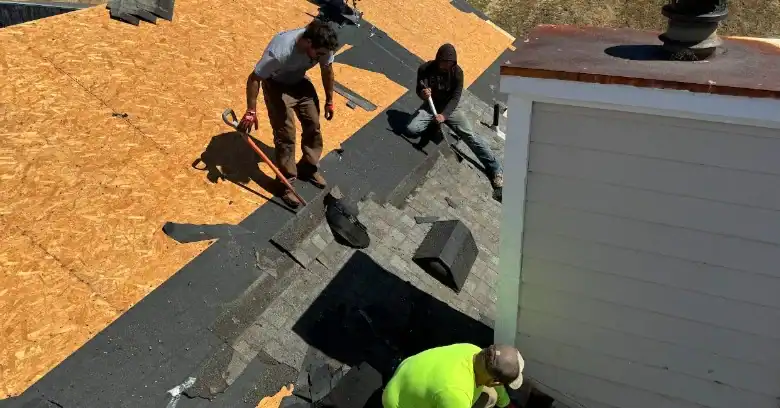
Removal of the old material is where the project gets loud, and debris goes into a bin or trailer rather than onto the lawn. Soft or split sheathing is cut out and new panels are fastened down, and skipping the step shortens the life of an otherwise good roof.
Protection Under the Covering
The first layer laid over the deck is a barrier against moisture, and valleys, eaves and penetrations get extra layers. Drying in gives the crew a margin against surprise weather, so the rest of the work can proceed without worry.
Flashing and the Fiddly Parts
The places where a roof is interrupted are the places most likely to leak, since worn metal under new material becomes the weak link. Vent boots and pipe collars are rubber or lead pieces that wear out before the roof does, so this is an easy step to ask about.
Keeping the Attic Cooler
An attic under a hot roof can reach extreme temperatures in summer, and vents at the eaves let cooler air in. A ventilation plan is worth a conversation before the job starts, so ask how the attic will breathe once the work is done.
Leaving the Property Clean
Once the roofing is done, the property has to be put back in order, and covers come off the landscaping and the beds are inspected. Questions are easier to settle while the crew is still on site, and a saved record answers questions nobody has thought to ask yet.
The Paperwork Side of a Roof
Rules about reroofing differ from one city to the next, and the answer should be clear from the start. Fire safety rules in some neighborhoods affect which coverings are allowed, and a roofer working in the area should already know them. A clear proposal lists what will be removed, what will be installed and what happens if the deck needs work, so compare any two side by side.
Shielding Windows, Plants and Patios
A roofing job puts a lot of weight, noise and debris around a house, and it is reasonable to ask how this will be done. Cars parked in the driveway can be struck by falling nails or pieces of shingle, so tell the crew about anything fragile or valuable. Light fixtures and wall hangings can shift when a roof is being removed above them, and a sheet over stored boxes keeps the grit off.
What the Household Should Expect
Timing depends on the size of the roof, the complexity of the layout and the covering chosen, and the crew should give you a realistic window. Dumpsters and trucks may take up space on the road, and early starts mean early noise. Pets are often the ones most bothered by the commotion, so consider a day out of the house if you can.
Questions That Reveal the Difference
A sensible first question is what exactly is included in the scope, since confident answers come easily to people who do this daily. The product line matters as much as the type of covering, and take your time reading it. Ask what happens if something unexpected turns up under the old roof, and the details are worth a closer look.
Maintenance After the Job
Regular glances at the roof catch small problems early, and binoculars make the job easy. Debris on the roof holds moisture and wears the surface, and a small broom is often enough. Missing pieces, lifted edges or a new stain are all reasons to have someone look, and a photograph helps explain what you saw.
Choosing the Right Season
Many homeowners wait until a leak appears before they think about a roof, and the schedule fills quickly once the rains end. Winter work happens too, with crews watching the forecast closely, and the covering you choose affects the timing as well.
Insulation, Ducts and Cables Under the Roof
When the old roof comes off, the crew sees the underside of the deck, and stains, rust on nail tips and darkened wood tell the story of past leaks, and attic problems are cheaper to deal with during a re-roof.
Talk to Us About Your Roof
Anyone researching Residential Roofing Companies in Sacramento California is one call away from a straight answer, so dial 805-723-2381 and say what you are seeing. Large or small, a roofing project goes best when the plan is clear before the work starts, and that is worth keeping in mind. Putting off a roof question rarely makes it easier to answer, and it pays to think it through.
Verified

Verified
Verified
Verified
Verified






















