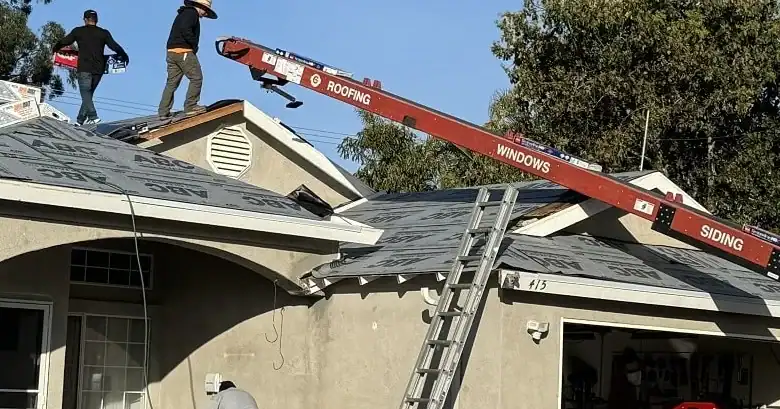
Weighing New Roof Services for a Home in Sacramento California?
Creative Roofing stays with a roofing project from the first walk-around to the final check, serving Sacramento California and the places close by.
Ring 805-723-2381 to start a conversation about the roof over your head.
Starting Out Right
A roofing project begins with a close look at the surface, the edges and the pipes, and that is worth keeping in mind. The roofer checks the surface, the flashing, the vents and the gutter line, then the attic if it can be reached, and it pays to think it through.
Long dry summers and strong sun leave their mark on nearly every roof in California, so the wear is rarely even from one side to the next.
Deciding What the Roof Needs
The right answer depends on how much sound material is left on the house, so a clear explanation matters more than a quick quote. Pictures of the trouble spots take the guesswork out of the decision, and a good roofer expects the question.
When the decking underneath is damaged, the scope of the job grows, and it is easy to overlook.
Picking a Roof Covering
Three families of material cover most residential roofs in this region, but the framing and the slope decide more than preference does. Lighter colors reflect more of the summer sun, while darker ones soak it up, so hold a sample against the house in daylight.
Scheduling Around the Weather
Rain arrives in bursts, and a roof that is open when one comes needs protection, and crews watch the forecast closely. The temperature on the roof can run well above the temperature in the shade, so an early knock on the door is nothing to worry about.
Tear-Off and Preparation
The existing covering is stripped away and the deck is left exposed for inspection, and protecting the driveway and plants is worth asking about. Once the deck is bare, any damaged boards are replaced, and it is easier to fix now than after the roof is finished.
What Goes Down First
Beneath every roof is a membrane that catches whatever the surface lets through, and chimneys get particular care. Drying in gives the crew a margin against surprise weather, so the rest of the work can proceed without worry.
Penetrations and Edges
The places where a roof is interrupted are the places most likely to leak, so fresh metal is standard practice among careful crews. Vent boots and pipe collars are rubber or lead pieces that wear out before the roof does, so replacing them along with the roof removes a predictable problem.
Ventilation in a Warm Climate
Attic heat is behind many worn roofs and many large cooling bills, and vents at the eaves let cooler air in. A ventilation plan is worth a conversation before the job starts, because airflow is easy to plan now and hard to add later.
Wrapping Up
When the last piece is installed, the cleanup begins, and that is part of the work, not an extra. Looking at the ridge, the valleys and the flashing with the roofer present is time well spent, and it only takes a few minutes.
What the City Wants to See
Rules about reroofing differ from one city to the next, and the answer should be clear from the start. Where fire risk is high, the roof covering and the vents face tighter standards, and a roofer working in the area should already know them. The best paperwork leaves little room for misunderstanding, so compare any two side by side.
Looking After Your Property During the Work
A busy work site needs boundaries, and a careful crew sets them before the work begins. Cars parked in the driveway can be struck by falling nails or pieces of shingle, so tell the crew about anything fragile or valuable. Light fixtures and wall hangings can shift when a roof is being removed above them, and covering belongings is a sensible precaution.
Living Through a Roof Project
The calendar for a job is set by the roof, not by the wish list, and the crew should give you a realistic window. Roof work is loud, and the street will hear it, and the whole thing is over sooner than it seems. Remote workers may want a quiet spot elsewhere for a day or two, and everything returns to normal once the crew packs up.
Questions Worth Asking Before You Agree
Ask what will be done with the old material and how the deck will be handled, and listen to how the answer is given. The product line matters as much as the type of covering, and take your time reading it. Surprises are normal, and a process for them is a sign of a well-run job, and settle it before the first day.
Looking After a New Roof
Even a new roof benefits from an occasional look from the ground, and the best times are before the rainy season and after the first big storm. Debris on the roof holds moisture and wears the surface, and it also reduces fire risk in dry months. Call a roofer after a major wind event or if you see a stain on a ceiling, and a photograph helps explain what you saw.
Timing a Roof Project Through the Year
Many homeowners wait until a leak appears before they think about a roof, and a calm decision is nearly always a better one. Winter work happens too, with crews watching the forecast closely, and the details are worth a closer look.
Roof Work and Your Attic
When the old roof comes off, the crew sees the underside of the deck, and stains, rust on nail tips and darkened wood tell the story of past leaks, and bring a flashlight if you can.
Talk to Us About Your Roof
A call is the simplest way to begin planning work in Sacramento California, with 805-723-2381 ready whenever you are. The size of the project changes the schedule but not the principle, and the roof will tell the story once someone looks. Putting off a roof question rarely makes it easier to answer, and that is a good place to begin.
Verified

Verified
Verified
Verified