
Weighing Roof Maintenance in Sacramento California?
Creative Roofing covers each step of putting a new roof on a house, for homes in Sacramento California and the towns around it.
Reach out at 805-723-2381 to set up a time for someone to look at the roof.
Where a Roofing Job Begins
A roofing project begins with a close look at the surface, the edges and the pipes, since guessing from the ground leads to surprises later. Loose granules, lifted edges, cracked flashing and soft spots all say something about the layers below, and it pays to think it through.
Sun and heat age a roof in ways that rain alone never would, so the south and west slopes get the closest attention.
Repair, Patch or Replace
Not every worn roof needs replacing, and not every leak is a small one, and the recommendation should come with the reasons attached. Findings that cannot be pointed to are findings worth questioning, because you are the one living under the result.
When the decking underneath is damaged, the scope of the job grows, and it is easy to overlook.
Material Decisions
Asphalt shingles, concrete or clay tile and standing seam metal are the coverings most often put on homes here, but the framing and the slope decide more than preference does. A roof that faces strong sun all afternoon behaves differently depending on its shade, so do not settle the question from a photograph.
When the Crew Can Work
For most of the year the weather here lets a roof go on with few interruptions, and temporary dry-in layers keep the house safe overnight. The temperature on the roof can run well above the temperature in the shade, so the day usually begins at sunrise.
What Happens on Demolition Day
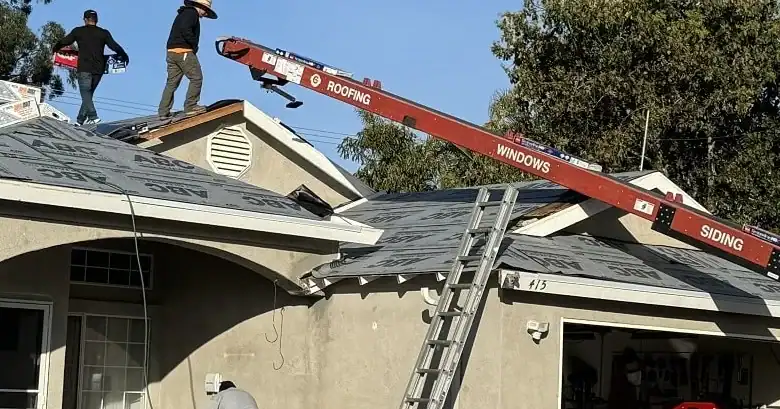
The existing covering is stripped away and the deck is left exposed for inspection, and protecting the driveway and plants is worth asking about. Sound wood is the base everything else depends on, because new material is only as good as what it is fastened to.
Protection Under the Covering
The first layer laid over the deck is a barrier against moisture, and chimneys get particular care. Reaching this stage quickly is a sensible way to protect the interior, and the visible covering goes on from there.
Details That Decide Whether It Leaks
Wherever the roof surface stops, a metal detail has to take over, so fresh metal is standard practice among careful crews. Vent boots and pipe collars are rubber or lead pieces that wear out before the roof does, so replacing them along with the roof removes a predictable problem.
Attic Airflow
Warm air trapped under the deck works on the roof from below, and vents at the eaves let cooler air in. A ventilation plan is worth a conversation before the job starts, because airflow is easy to plan now and hard to add later.
Wrapping Up
Final cleanup means more than a quick sweep, and that is worth keeping in mind. Looking at the ridge, the valleys and the flashing with the roofer present is time well spent, and it pays to think it through.
The Paperwork Side of a Roof
Local requirements shape the job before the first shingle is touched, so it is fair to ask who pulls the permit. Areas with wildfire exposure often have extra requirements for roofing materials and vents, so ask how the plan meets the rules for your street. The best paperwork leaves little room for misunderstanding, so compare any two side by side.
Shielding Windows, Plants and Patios
Heavy materials, ladders and falling pieces all share the space around the walls, so tarps and plywood go down where debris will land. Cars parked in the driveway can be struck by falling nails or pieces of shingle, so tell the crew about anything fragile or valuable. Hammering on the deck above can rattle a ceiling and drop dust into the rooms below, and covering belongings is a sensible precaution.
Noise, Neighbors and Daily Life
A new roof usually takes a few days for an average house, though weather and size change that, and the details are worth a closer look. Informing nearby households is a courtesy that pays off, and the whole thing is over sooner than it seems. Household routines bend a little while the work is under way, and a plan for the loud days makes them easier.
Questions That Reveal the Difference
A sensible first question is what exactly is included in the scope, and it pays to think it through. Product names and thicknesses on the proposal let you compare like with like, and a little care goes a long way. The way a roofer handles the unexpected says a lot about the whole operation, and keep the discussion friendly but specific.
Small Habits That Extend Roof Life
Checking the roof twice a year takes only a few minutes, so put it on the calendar like any other chore. Sweeping leaves off the roof and out of valleys prevents trouble, so it is worth doing before summer ends. Call a roofer after a major wind event or if you see a stain on a ceiling, so do not wait for the next storm.
When to Schedule the Work
Waiting for the first storm to find the weak spot means hiring in a hurry, and a little care goes a long way. Early fall is popular because the weather is still dry and the heat has eased, and a good roofer will explain the trade-offs.
What the Crew Sees Inside the House
When the old roof comes off, the crew sees the underside of the deck, and stains, rust on nail tips and darkened wood tell the story of past leaks, and the findings can change the scope.
Next Steps for Your Roofing Project
Anyone researching Roof Maintenance in Sacramento California is one call away from a straight answer, so dial 805-723-2381 and say what you are seeing. Every roof is different, so every conversation starts from the house itself, and an early conversation costs little. The sooner the roof is looked at, the more choices you tend to have, and it pays to think it through.
Verified

Verified
Verified
Verified
Verified






















