
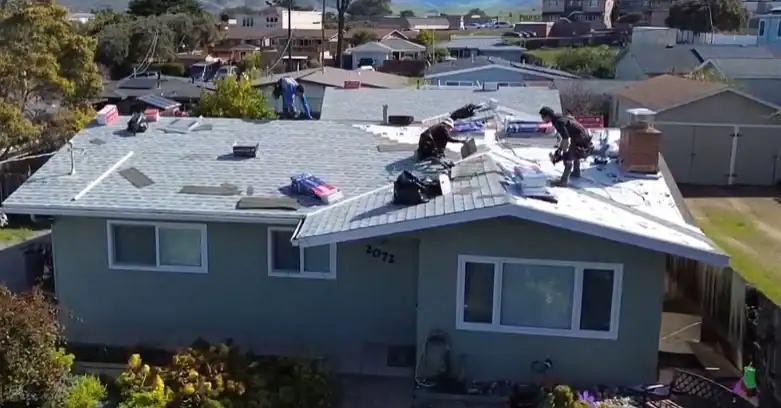
Planning New Roofing Maintenance Serving Sacramento California?
Creative Roofing covers each step of putting a new roof on a house, across Sacramento California and the neighboring communities.
Phone 805-723-2381 and tell us what has you thinking about the roof.
The First Step in a Roofing Project
Before any material is chosen, the existing roof has to be understood, since guessing from the ground leads to surprises later. Loose granules, lifted edges, cracked flashing and soft spots all say something about the layers below, so the visit usually takes longer than people expect.
Heat is the quiet cause behind much of the wear seen on roofs here, so the wear is rarely even from one side to the next.
Setting the Scope of Work
Not every worn roof needs replacing, and not every leak is a small one, so a clear explanation matters more than a quick quote. Damage should be shown rather than only described, because you are the one living under the result.
Hidden damage found during tear-off is the usual reason a project grows beyond its first outline, so a note on how it will be handled saves arguments later.
Picking a Roof Covering
Homeowners usually end up comparing shingles, tile and metal panels, but the framing and the slope decide more than preference does. The shade of a roof affects how hot it runs in July, and that is worth keeping in mind.
When the Crew Can Work
Roofing here follows the weather more than the calendar, and it pays to think it through. Crews often start early in summer to get ahead of the hottest hours, and finishing early keeps people and materials in better shape.
Stripping Down to the Deck
Old roofing comes off in layers, down to the bare decking, and the details are worth a closer look. Soft or split sheathing is cut out and new panels are fastened down, and skipping the step shortens the life of an otherwise good roof.
What Goes Down First
The surface you see is only the outer layer of a roof, and valleys, eaves and penetrations get extra layers. Drying in gives the crew a margin against surprise weather, and the finished surface is installed over a sound base.
Details That Decide Whether It Leaks
Water finds the joints first, so flashing matters, since worn metal under new material becomes the weak link. Pipe seals made of soft materials fail early in strong sun, and a new roof should not depend on a seal that is already tired.
Keeping the Attic Cooler
Attic heat is behind many worn roofs and many large cooling bills, since warm air rises on its own when it is given a path. Adding vents at random may do little more than cut holes in the roof, and the answer should be part of the proposal.
Wrapping Up
Final cleanup means more than a quick sweep, and a magnetic sweep picks up stray nails. Looking at the ridge, the valleys and the flashing with the roofer present is time well spent, so keep the paperwork and pictures together.
The Paperwork Side of a Roof
Rules about reroofing differ from one city to the next, and the process is easier when someone handles it for you. Wildfire concerns have changed what many local codes ask of a roof, so ask how the plan meets the rules for your street. Vague wording on a proposal is a reason to ask questions, so compare any two side by side.
Protecting the House and Yard
A roofing job puts a lot of weight, noise and debris around a house, and that is worth keeping in mind. Pets, children and cars are best kept away from the work area, and a short talk the evening before covers the details. Light fixtures and wall hangings can shift when a roof is being removed above them, so it is wise to take down fragile pictures first.
The Few Days of Commotion
A new roof usually takes a few days for an average house, though weather and size change that, so ask for the expected start and finish up front. Roof work is loud, and the street will hear it, and it is easy to overlook. Remote workers may want a quiet spot elsewhere for a day or two, and the noise settles once the old roof is gone.
Getting Clear Before the Work Begins
Ask how the crew protects the house when rain is in the forecast, and write the answers down. The product line matters as much as the type of covering, and a little care goes a long way. Ask what happens if something unexpected turns up under the old roof, and it is better to know in advance.
Small Habits That Extend Roof Life
Checking the roof twice a year takes only a few minutes, and the best times are before the rainy season and after the first big storm. Keep the gutters clear of leaves and needles, especially at the end of the dry season, and it protects the investment you just made. A prompt visit after damage keeps a minor repair minor, so do not wait for the next storm.
Is There a Best Time for a New Roof
Booking early in the dry season leaves time to compare more than one proposal, so a few weeks of lead time is common. Late summer is hot but dependable, and crews are usually busy, and the covering you choose affects the timing as well.
What the Crew Sees Inside the House
The attic is the roof as seen from below, and it often gives the clearest picture of how the roof has been performing, and it is easy to overlook.
Getting Started in Sacramento California
Homeowners comparing New Roofing Maintenance in Sacramento California can simply pick up the phone, and 805-723-2381 reaches the right person. Whether the job is a small section or a whole house, the questions are much the same, and that is worth keeping in mind. The sooner the roof is looked at, the more choices you tend to have, and nobody will rush you.
Verified

Verified
Verified
Verified
Verified






















