
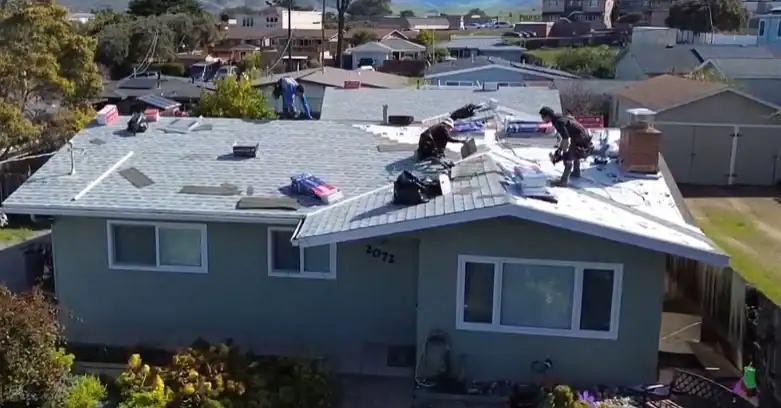
Searching for Roofing Installation Serving Sacramento California?
Creative Roofing walks a household through every stage of a roofing project, from Sacramento California out to the surrounding area.
Dial 805-723-2381 to start a conversation about the roof over your head.
Where a Roofing Job Begins
Nothing gets decided until someone has walked the roof, because the rest of the plan rests on the findings from that look. The roofer checks the surface, the flashing, the vents and the gutter line, then the attic if it can be reached, so the visit usually takes longer than people expect.
Sunny slopes and shaded slopes tell different stories, and both matter, so the wear is rarely even from one side to the next.
What Should Actually Be Done
Not every worn roof needs replacing, and not every leak is a small one, and the reasons should be easy to follow. Damage should be shown rather than only described, and a good roofer expects the question.
Hidden damage found during tear-off is the usual reason a project grows beyond its first outline, and it helps to know that before the work begins.
Choosing Materials for Your Home
The common choices are shingle, tile and metal, and each suits some houses better than others, and the pitch of the roof narrows the field quickly. Sun exposure makes color a practical question as well as a visual one, and it pays to look at them at different times of day.
Planning for Rain and Heat
Rain arrives in bursts, and a roof that is open when one comes needs protection, and crews watch the forecast closely. Roof surfaces get hot enough in July to change how materials behave, and a little care goes a long way.
Removing the Old Roof
Taking the old roof off is the noisiest and messiest part of the job, and protecting the driveway and plants is worth asking about. Once the deck is bare, any damaged boards are replaced, since good materials laid over a weak deck do not last.
What Goes Down First
Much of the protection a roof offers is out of sight, and chimneys get particular care. Reaching this stage quickly is a sensible way to protect the interior, so the rest of the work can proceed without worry.
Penetrations and Edges
Chimneys, skylights, vent pipes and walls all need flashing worked into the roof, so fresh metal is standard practice among careful crews. Plumbing vents are among the most common sources of small leaks, and putting in new boots costs little when the roof is already open.
Attic Airflow
An attic under a hot roof can reach extreme temperatures in summer, and a proper system draws air in low and sends it out high. Mixing vent types without a plan can short-circuit the airflow, and it is easy to overlook.
Cleanup and the Final Walk-Through
A finished roof still leaves a yard full of scraps, nails and packaging, and that is worth keeping in mind. A walk around the finished roof with the roofer is a reasonable thing to ask for, so keep the paperwork and pictures together.
Permits and Paperwork
Municipal offices have their own expectations for roof work, because surprises at the counter slow everything down. Where fire risk is high, the roof covering and the vents face tighter standards, and the details are worth a closer look. The best paperwork leaves little room for misunderstanding, and it is worth reading it slowly.
Protecting the House and Yard
Roof work is hard on landscaping unless it is planned for, and a careful crew sets them before the work begins. Moving vehicles out of range for the day is a simple precaution, and it pays to think it through. The attic gets dusty during tear-off, and anything stored there will notice, and covering belongings is a sensible precaution.
The Few Days of Commotion
A simple roof may go quickly while a complicated one takes longer, so ask for the expected start and finish up front. Roof work is loud, and the street will hear it, and early starts mean early noise. The loudest stretch is the tear-off, and it passes quickly, and everything returns to normal once the crew packs up.
Questions Worth Asking Before You Agree
Ask how the crew protects the house when rain is in the forecast, and it pays to think it through. Knowing exactly what is going on the house removes a common source of disputes, and a little care goes a long way. Ask what happens if something unexpected turns up under the old roof, and the details are worth a closer look.
Looking After a New Roof
Checking the roof twice a year takes only a few minutes, and the best times are before the rainy season and after the first big storm. Overhanging trees drop material that collects in corners and valleys, and that is worth keeping in mind. Early attention to a leak is almost always cheaper than late attention, and it pays to think it through.
When to Schedule the Work
Many homeowners wait until a leak appears before they think about a roof, and the schedule fills quickly once the rains end. Late summer is hot but dependable, and crews are usually busy, and the covering you choose affects the timing as well.
What the Crew Sees Inside the House
When the old roof comes off, the crew sees the underside of the deck, and stains, rust on nail tips and darkened wood tell the story of past leaks, and bring a flashlight if you can.
Ready When You Are
Homeowners comparing Roofing Installation in Sacramento California can simply pick up the phone, so use 805-723-2381 to talk through the roof and the next step. Large or small, a roofing project goes best when the plan is clear before the work starts, and we are glad to talk through the options. Putting off a roof question rarely makes it easier to answer, and the next step becomes obvious.
Verified

Verified
Verified
Verified
Verified






















