
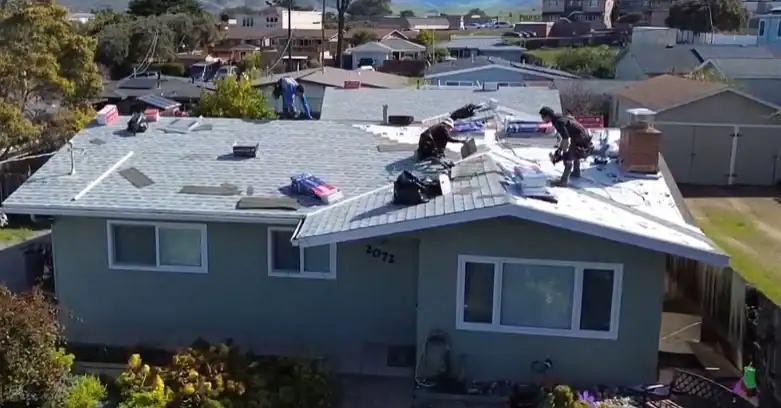
Looking for Roofing Replacement in Sacramento California?
Creative Roofing handles the planning, the tear-off and the cleanup of a roof job, for homes in Sacramento California and the towns around it.
Ring 805-723-2381 to start a conversation about the roof over your head.
The First Step in a Roofing Project
A roofing project begins with a close look at the surface, the edges and the pipes, since guessing from the ground leads to surprises later. Signs of wear on top often point to a moisture problem underneath, and it pays to think it through.
Sun and heat age a roof in ways that rain alone never would, and the sunniest side is usually the oldest-looking side.
What Should Actually Be Done
The right answer depends on how much sound material is left on the house, so a clear explanation matters more than a quick quote. Ask to see the problem areas, either in photographs or from the ladder, so do not feel awkward about asking.
Rotted or soft sheathing changes the plan and often the schedule, and it is easy to overlook.
Material Decisions
Asphalt shingles, concrete or clay tile and standing seam metal are the coverings most often put on homes here, and the style of the neighborhood often plays a part. The shade of a roof affects how hot it runs in July, and a full-size piece seen outdoors beats a catalog picture.
Timing the Work
For most of the year the weather here lets a roof go on with few interruptions, so exposed areas get covered at the end of each day. On very hot afternoons shingles soften and workers slow down, and the plan bends to the heat rather than the other way around.
What Happens on Demolition Day
The existing covering is stripped away and the deck is left exposed for inspection, and magnets and rakes pick up the nails that fall. Soft or split sheathing is cut out and new panels are fastened down, because new material is only as good as what it is fastened to.
Underlayment and Drying In
Much of the protection a roof offers is out of sight, so self-adhering membrane goes where leaks tend to begin. Drying in gives the crew a margin against surprise weather, and that is worth keeping in mind.
Penetrations and Edges
Flashing is the thin metal that keeps water out where the roof meets something else, and the cost is small next to the roof it protects. Plumbing vents are among the most common sources of small leaks, so this is an easy step to ask about.
Ventilation in a Warm Climate
Warm air trapped under the deck works on the roof from below, so vents near the ridge give the hot air a way out. Mixing vent types without a plan can short-circuit the airflow, and a roofer should be able to describe it simply.
Leaving the Property Clean
When the last piece is installed, the cleanup begins, and a magnetic sweep picks up stray nails. Questions are easier to settle while the crew is still on site, and it pays to think it through.
Permits and Paperwork
Rules about reroofing differ from one city to the next, and a little care goes a long way. Where fire risk is high, the roof covering and the vents face tighter standards, since the covering you pick has to be one the town accepts. A clear proposal lists what will be removed, what will be installed and what happens if the deck needs work, because what is written down is what everyone remembers.
What Happens to the Yard
A busy work site needs boundaries, so tarps and plywood go down where debris will land. Moving vehicles out of range for the day is a simple precaution, and it pays to think it through. Inside the house, vibration can shake items from shelves and loosen attic insulation, and a little care goes a long way.
Noise, Neighbors and Daily Life
Timing depends on the size of the roof, the complexity of the layout and the covering chosen, and the details are worth a closer look. Dumpsters and trucks may take up space on the road, and most people are tolerant when they know what to expect. Remote workers may want a quiet spot elsewhere for a day or two, and that is worth keeping in mind.
What to Ask Every Roofer
Ask what will be done with the old material and how the deck will be handled, and anything left vague deserves a follow-up. Ask for the materials by name and manufacturer so you can look them up, so ask before you sign anything. The way a roofer handles the unexpected says a lot about the whole operation, and it is better to know in advance.
Looking After a New Roof
A roof that is never looked at tends to fail when it is least convenient, and binoculars make the job easy. Keep the gutters clear of leaves and needles, especially at the end of the dry season, and it protects the investment you just made. Waiting on a small problem usually makes it more expensive, and the earlier the better.
Timing a Roof Project Through the Year
Planning ahead usually gives better choices than reacting to an emergency, and calling in spring avoids the rush. Winter work happens too, with crews watching the forecast closely, and a good roofer will explain the trade-offs.
Insulation, Ducts and Cables Under the Roof
When the old roof comes off, the crew sees the underside of the deck, and stains, rust on nail tips and darkened wood tell the story of past leaks, and it is easy to overlook.
Start the Conversation
Questions about Roofing Replacement in Sacramento California begin with a short phone call, so dial 805-723-2381 and say what you are seeing. Every roof is different, so every conversation starts from the house itself, and we are glad to talk through the options. Taking the first step is usually the hardest part of any home project, and the next step becomes obvious.
Verified

Verified
Verified
Verified
Verified






















