
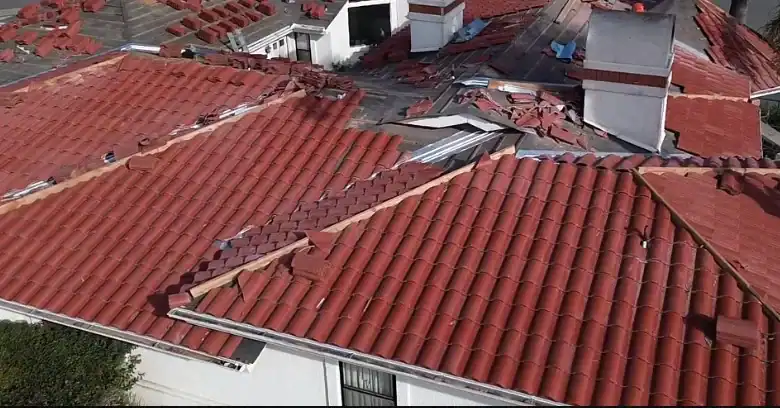
Considering Tile Roofing in Sacramento California?
Creative Roofing keeps barrel, flat and interlocking roofs weathertight from the deck up, across Sacramento California and nearby.
Ring 805-723-2381 and ask about the roof over your house.
How These Roofs Are Put Together
Clay and concrete units are individual pieces hung on a roof, overlapping like fish scales to shed water, and the overlap lets water run off quickly. Concrete units are molded from cement and sand and colored through the body or on the surface, and the look varies enormously.
Load and Support
A concrete or clay roof weighs several times more than a shingle roof, so the framing has to be up to the load, and a sagging ridge is a sign of trouble. A house that was built for shingles may not be safe under a full load of concrete, so ask who will assess the framing.
Underlayment Is the Real Waterproofing
Beneath the visible surface lies a waterproof membrane that does the hard work, and it ages in the heat trapped under the pieces. A roof can look perfect from the street and be failing underneath, and that is why age matters as much as appearance.
Sun, Heat and Dry Summers
Long dry summers are easy on the material itself, though the layers underneath age in the heat, so the look holds up. Concrete may chalk or fade after long exposure, and a clean surface may need a sealer or fresh paint, and surface cleaning is far cheaper than replacement.
Finding Damaged Units
Falling branches and windblown debris can also crack pieces in a storm, and replacing a broken piece is a quick job. A short inspection after any work on the roof catches damage early, and the cost of a few replacements is small.
Edges and Intersections
Every junction on the roof is a place where craft decides the outcome, and that is worth keeping in mind. Cracked and crumbling mortar along the ridge lets water and wind get under the cap pieces, so look for loose or missing cap pieces.
Wind, Fire and the Fastening Question
The method of attachment depends on the slope, the wind exposure and the local rules, and the attachment method should be in the proposal. Clay and concrete are noncombustible, which is a strong advantage in a region with wildfire seasons, and clean valleys are important.
Restoring a Roof Rather Than Starting Over
The decision depends on how many pieces are cracked and how the underlayment is holding up, and it is easy to overlook. Spalling concrete, crumbling clay and widespread cracks are signs that the surface is at its end, and a good roofer will lay them out plainly.
Adhesives, Clips and Mortar
Older roofs of this kind used mortar to bed the ridge and hip pieces and to seal the edges, and that mortar eventually cracks and crumbles, and the best answer is specific to your roof. Eave closures and bird stops fill the gap beneath the lowest course, keeping out birds, rodents, leaves and windblown embers, and a tidy edge looks better as well.
Washing, Sealing and Surface Care
Cleaning should be done carefully by someone who knows the material, since walking on the roof is a risk to the units themselves, and a clean roof looks years younger. A professional cleaner will explain the method and protect the plants and walls below, and the roof will look and perform better.
Felt, Synthetic and Self-Adhering Options
Heavy felt, synthetic sheets and self-adhering membranes are the common options, and they differ in heat resistance and tear strength, and why. Battens that lift the units off the underlayment allow air to circulate and water to drain freely beneath the pieces, and it adds only modestly to the cost.
Rooftop Additions on a Roof of Many Pieces
Special hooks and flashing kits exist for these roofs, and an installer who uses them keeps the surface watertight, and ask who is responsible for the seals. Satellite dishes, antennas and holiday lights are small additions that can break units if the installer is careless or the fasteners are driven in the wrong place, so make it a habit to ask about the roof. Metal valley liners should be inspected for rust, pinholes and loose edges, since they carry more water than any other part of the roof, and a ladder and a soft broom are often all you need.
Picking the Right Unit for the House
Both materials are heavy, fire-resistant and durable, and either can give a house a distinctive character, so ask to see samples of both. Flat profiles give a contemporary look and are often used on modern houses, while barrel shapes suit traditional architecture, and it pays to think it through.
How to Weigh Two Bids
Look for details on the underlayment type, the valley metal and the ridge system, and a little care goes a long way. Find out whether the crew has experience on heavy roofs and can show examples of finished work, and a confident contractor will welcome them.
What Happens on Site
Each section of the roof is stripped down to the underlayment, repaired and covered with fresh waterproofing before the units go back, and the whole process takes patience.
Wildfire Season and Heavy Roofs
Trimming branches back from the roof and keeping a clear margin around the house reduces the risk to the roof and the building, and repair broken pieces before the winds arrive.
Notes That Help the Next Owner
Photographs taken during the work show what lies under the units, which is a view that nobody sees again for decades, and it costs almost nothing to keep them.
Ready to Look at Options
Those comparing Tile Roofing in Sacramento California can reach us by phone, and 805-723-2381 reaches someone who can help. There is no pressure in asking about your roof, and we are glad to help you sort it out.
Verified

Verified
Verified
Verified
Verified






















