
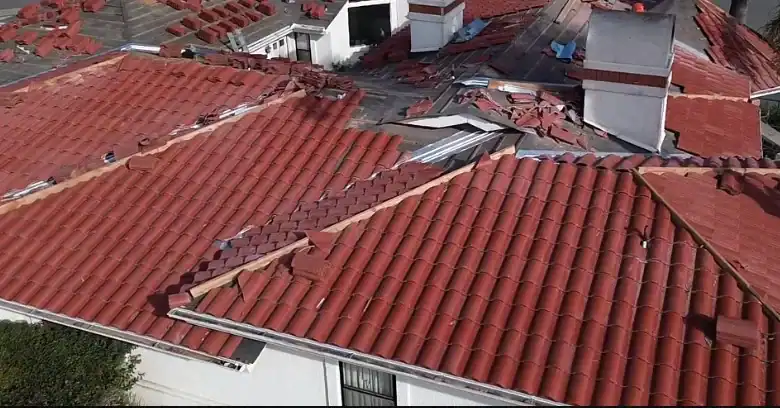
Considering Tile Roofing Services for a Home in Sacramento California?
Creative Roofing handles the underlayment, battens and hand-shaped details that a fired or molded roof depends on, across Sacramento California and nearby.
Ring 805-723-2381 and we will explain what is involved.
What Makes a Roof Out of Fired Clay or Molded Concrete Different
A roof of this kind is a layered system in which each piece overlaps the next and the structure beneath does the waterproofing, and the system works only when every piece is in place. Natural clay holds its color for a very long time, while concrete may need more attention to its finish, and the weight differs between materials.
Load and Support
The weight of the roof is the first question to settle before changing from lighter material, and a sagging ridge is a sign of trouble. Replacing a lighter covering with a heavier one without checking the structure is a serious mistake, and the cost of that work belongs in the plan.
Why Leaks Start Below the Surface
Beneath the visible surface lies a waterproof membrane that does the hard work, and it is easy to overlook. Modern synthetic and self-adhering underlayments last longer under high temperatures, and that is why age matters as much as appearance.
Dry Climate, Durable Roof
Long dry summers are easy on the material itself, though the layers underneath age in the heat, and the color stays true for decades. Cosmetic wear is common and does not usually affect performance, and a roofer can tell the difference.
Why Pieces Break
A piece cracks when someone steps on the wrong spot, and many are broken by workers on the roof for other reasons, and the details are worth a closer look. Satellite installers, painters and gutter cleaners are common causes of damage, and keep spare pieces from the original installation.
Where Pieces Meet Walls and Each Other
Details where the pieces meet something else are the places most likely to leak, and metal valleys should be replaced during a re-lay. The cap line at the top of the roof is one of its most exposed areas, and the repair is far less costly than water damage.
Seasonal Gusts and Embers
Though heavy, individual pieces must be fastened properly or they can slide or lift in strong gusts, and edges and ridges deserve the most attention. Keeping the roof and gutters clear of leaves and needles is part of staying safe, so ask how gaps will be kept closed.
Deciding What an Aging Roof Needs
The decision depends on how many pieces are cracked and how the underlayment is holding up, and the savings from a re-lay can be considerable. A full replacement is a bigger project, but it resets the clock on the entire roof, and the new material can be a different type.
Mortar, Foam and Dry-Set Methods
Modern installations often replace mortar with clips, screws or flexible adhesive that tolerate movement without failing, and the best answer is specific to your roof. The openings along the bottom edge of a profiled roof need a closure strip, or they become a doorway for pests and debris, and a good roofer checks them without being asked.
Dirt, Lichen and Cosmetic Wear
Surface growth tends to be slower in dry summers, though shaded areas may still collect some, and a sealer can slow the return of stains. Pressure washers can strip the coating from concrete units and force water under the overlaps, so they are best avoided or used with great care, and a post-cleaning inspection is a good idea.
Felt, Synthetic and Self-Adhering Options
Heavy felt, synthetic sheets and self-adhering membranes are the common options, and they differ in heat resistance and tear strength, and that is worth keeping in mind. A sticky rubberized sheet seals around fasteners and clings to the deck, providing waterproofing even if the surface layer is breached, and it adds only modestly to the cost.
Working Around Obstacles
Special hooks and flashing kits exist for these roofs, and an installer who uses them keeps the surface watertight, so coordinate the roofer with any other trade. Telling every visitor about the fragility of the surface prevents a surprising amount of damage, and the details are worth a closer look. When rain arrives in a sudden burst after months of dry weather, the valley is the first place where a defect shows, and the dry season is the time to do it.
Choosing Between Clay and Concrete
Between the two, concrete is usually the more economical, while clay is prized for its authentic look and its long record of service, so ask to see samples of both. Samples of full-size pieces on a roof model show more than a catalog photograph ever can, and take your time with the choice.
Comparing Tile Roofing Proposals
The written scope should say whether the existing units will be reused and who will supply replacements, and a clear proposal reflects a careful crew. Ask how the crew will handle the pieces, where they will be stored and how breakage will be managed, and trust the tone of the conversation.
Planning a Re-Lay Step by Step
Sorting the units as they come off lets the roofer count how many replacements will be needed and order matching pieces, and the result is a roof that looks as it did and performs like new.
What to Do Before Summer Ends
Pieces that are cracked or slipped leave gaps, and in a region with wildfire season, gaps are where embers find a way into the roof, and repair broken pieces before the winds arrive.
What to Save After a Restoration
Passing these records to the next owner of the house adds real value and saves them a good deal of guesswork, so ask the roofer for copies.
Tell Us What You Are Seeing
A conversation about Tile Roofing Services in Sacramento California usually starts with the age and condition of the roof, so use 805-723-2381 to set up the next step. Whether the roof is leaking now or you are planning ahead, an early conversation keeps your options open, so reach out whenever you are ready.
Verified

Verified
Verified
Verified
Verified






















