
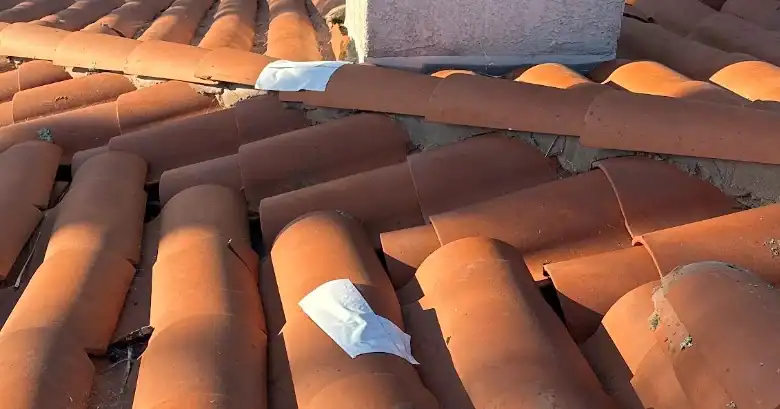
Considering Clay Tile Roofing in San Luis Obispo California?
Creative Roofing knows how to walk a fragile surface, find the broken piece and replace it cleanly, throughout San Luis Obispo California and the neighboring communities.
Ring 805-723-2381 to set up a visit to look at your roof.
How These Roofs Are Put Together
Every piece is shaped to channel water downhill and over the piece below, and the system works only when every piece is in place. Each type comes in profiles from rounded barrels to flat slabs and interlocking shapes, and the weight differs between materials.
Checking the Rafters Before Choosing
The framing is the foundation of any heavy roof, and an engineer may be involved in a conversion. Rotted rafters or sheathing must be repaired before heavy material goes back on, and the details are worth a closer look.
Felt, Membranes and Battens
The membrane is out of sight, which is why it is easy to forget, so even a good surface can hide a tired layer. Modern synthetic and self-adhering underlayments last longer under high temperatures, and that is why age matters as much as appearance.
Why Tile Suits Hot Weather
The heavy mass of the pieces absorbs heat during the day and releases it slowly at night, and the color stays true for decades. Moss and lichen are less of a problem in dry summers, though shaded areas may collect some, and surface cleaning is far cheaper than replacement.
Cracks, Slips and Broken Pieces
A cracked unit lets water reach the underlayment, which is meant for backup rather than constant exposure, and the damage may not show from the ground. Roofers who work on fragile coverings place their feet on the lower part of the unit where it is supported, and it is easy to overlook.
Edges and Intersections
Every junction on the roof is a place where craft decides the outcome, and metal valleys should be replaced during a re-lay. The cap line at the top of the roof is one of its most exposed areas, and it pays to think it through.
Wildfire Season and Fire Resistance
Though heavy, individual pieces must be fastened properly or they can slide or lift in strong gusts, and a little care goes a long way. Keeping the roof and gutters clear of leaves and needles is part of staying safe, and the pieces themselves are only part of the answer.
Matching the Work to the Condition
A re-lay means lifting the units, replacing the underlayment and flashing, and setting the pieces back in place, and the savings from a re-lay can be considerable. Spalling concrete, crumbling clay and widespread cracks are signs that the surface is at its end, so it is a time to consider all the options.
How Units Are Bedded and Secured
Foam adhesives are widely used to secure units, particularly in areas where wind is a concern, because they bond quickly and resist uplift, and be wary of mortar alone on a ridge. Replacing these strips during a re-lay is inexpensive, and it improves both fire resistance and cleanliness, and a tidy edge looks better as well.
Dirt, Lichen and Cosmetic Wear
Cleaning should be done carefully by someone who knows the material, since walking on the roof is a risk to the units themselves, and a clean roof looks years younger. High pressure is the wrong tool for a roof made of individual pieces, because the water is driven uphill under the laps, and the roof will look and perform better.
A Better Base for a Long-Lived Roof
Heavy felt, synthetic sheets and self-adhering membranes are the common options, and they differ in heat resistance and tear strength, and that is worth keeping in mind. Counter-battens add further airflow and reduce heat transfer into the attic, and it pays to think it through.
Penetrations Through Fragile Surfaces
Each penetration through the covering is a place where a unit must be cut, and cut pieces are more likely to crack later, and a little care goes a long way. Satellite dishes, antennas and holiday lights are small additions that can break units if the installer is careless or the fasteners are driven in the wrong place, and a short sign near the hatch helps. A valley that is clogged with leaves and needles can send water sideways under the units, which they are not designed to handle, so make valleys the first stop on any check.
How the Two Kinds Differ
Clay units are fired at high temperature, and their color runs all the way through, so a chip or scratch does not show a different shade beneath, so ask to see samples of both. Flat profiles give a contemporary look and are often used on modern houses, while barrel shapes suit traditional architecture, so hold them against the house.
Getting Specific About a Heavy Roof
Look for details on the underlayment type, the valley metal and the ridge system, so ask for them before signing. Ask how the crew will handle the pieces, where they will be stored and how breakage will be managed, and keep notes to compare later.
What Happens on Site
Pieces are removed row by row from the top down, and the crew takes care to avoid cracking more units than the roof already has, and the whole process takes patience.
Wildfire Season and Heavy Roofs
Closure strips at the eaves and the ridge keep embers and animals out of the space beneath the units, so make it part of the late-summer routine.
Keeping Track of a Long-Lived Roof
After a re-lay or a repair, keep the photographs, the proposal and a few spare units stored somewhere safe, because color and profile matching gets harder with time, and it costs almost nothing to keep them.
Tell Us What You Are Seeing
Homeowners weighing Clay Tile Roofing in San Luis Obispo California can begin by describing the house and the roof they have, so use 805-723-2381 to set up the next step. There is no pressure in asking about your roof, and the first step is just a phone call.
Verified

Verified
Verified
Verified
Verified






















