
Weighing Residential Roofing Services Around San Luis Obispo California?
Creative Roofing walks a household through every stage of a roofing project, serving San Luis Obispo California and the places close by.
Reach out at 805-723-2381 and describe the project you have in mind.
Before Anything Is Torn Off
Before any material is chosen, the existing roof has to be understood, and that is worth keeping in mind. A proper look covers the slopes seen from the yard and the ones that are not, and that is the evidence a sensible plan is built on.
Sunny slopes and shaded slopes tell different stories, and both matter, so the south and west slopes get the closest attention.
Deciding What the Roof Needs
The right answer depends on how much sound material is left on the house, so a clear explanation matters more than a quick quote. Damage should be shown rather than only described, since the plan should make sense to the person paying for it.
Hidden damage found during tear-off is the usual reason a project grows beyond its first outline, and it is easy to overlook.
Matching the Covering to the House
Asphalt shingles, concrete or clay tile and standing seam metal are the coverings most often put on homes here, so structure comes first and appearance second. A roof that faces strong sun all afternoon behaves differently depending on its shade, and that is worth keeping in mind.
The Calendar and the Forecast
For most of the year the weather here lets a roof go on with few interruptions, so exposed areas get covered at the end of each day. Heat affects the work as well, so an early knock on the door is nothing to worry about.
Tear-Off and Preparation
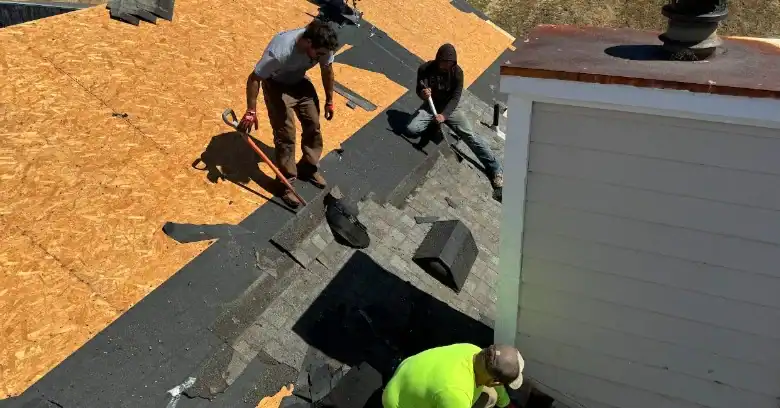
Tear-off gives the first real view of the structure under the roof, and debris goes into a bin or trailer rather than onto the lawn. The deck is checked, mended and made flat for the next layer, because new material is only as good as what it is fastened to.
Underlayment and Drying In
Underneath the visible covering sits a water-resistant layer that does much of the work, and valleys, eaves and penetrations get extra layers. Drying in gives the crew a margin against surprise weather, and that is worth keeping in mind.
Flashing and the Fiddly Parts
The places where a roof is interrupted are the places most likely to leak, and it pays to think it through. Sun dries and cracks the flexible parts over time, and a little care goes a long way.
Keeping the Attic Cooler
Attic heat is behind many worn roofs and many large cooling bills, and a proper system draws air in low and sends it out high. More vents are not always better, because intake and exhaust have to be balanced, because airflow is easy to plan now and hard to add later.
Cleanup and the Final Walk-Through
The job is not over until the yard looks like a yard again, and that is worth keeping in mind. Questions are easier to settle while the crew is still on site, and a saved record answers questions nobody has thought to ask yet.
The Paperwork Side of a Roof
Rules about reroofing differ from one city to the next, and a little care goes a long way. Certain hillside and edge-of-town areas follow stricter material rules than the valley floor, so ask how the plan meets the rules for your street. A clear proposal lists what will be removed, what will be installed and what happens if the deck needs work, so compare any two side by side.
Keeping the Property Safe
A busy work site needs boundaries, and that is worth keeping in mind. Cars parked in the driveway can be struck by falling nails or pieces of shingle, and keep a path clear for deliveries. Attic contents are best covered or moved before the work starts, and covering belongings is a sensible precaution.
Living Through a Roof Project
Most residential projects are finished within days, not weeks, and the crew should give you a realistic window. Informing nearby households is a courtesy that pays off, and the whole thing is over sooner than it seems. Pets are often the ones most bothered by the commotion, and the noise settles once the old roof is gone.
A Short List for Comparing Proposals
Find out who will be on the roof and who will be in charge of the job, and listen to how the answer is given. The product line matters as much as the type of covering, and it should be written on the proposal. Talk through how changes to the plan will be handled and agreed, and it is better to know in advance.
Looking After a New Roof
Regular glances at the roof catch small problems early, and the best times are before the rainy season and after the first big storm. Overhanging trees drop material that collects in corners and valleys, and a small broom is often enough. A prompt visit after damage keeps a minor repair minor, and the earlier the better.
Spring, Summer or Fall
Waiting for the first storm to find the weak spot means hiring in a hurry, and a little care goes a long way. Early fall is popular because the weather is still dry and the heat has eased, so do not feel the choice is locked in.
Checking the Space Beneath the Deck
Insulation in the attic that is compressed, wet or missing should be noted, since a new roof is a good time to fix the whole assembly, and attic problems are cheaper to deal with during a re-roof.
Next Steps for Your Roofing Project
Homeowners comparing Residential Roofing Services in San Luis Obispo California can simply pick up the phone, and the number is 805-723-2381. Large or small, a roofing project goes best when the plan is clear before the work starts, and that is worth keeping in mind. A short conversation can turn a vague worry into a clear plan, and the next step becomes obvious.
Verified

Verified
Verified
Verified
Verified






















