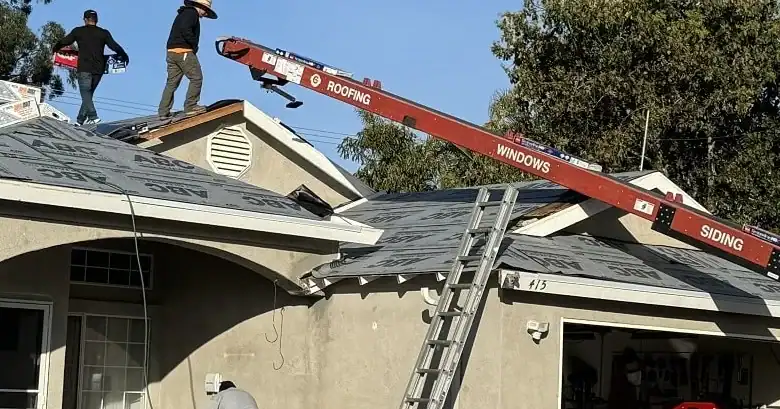
Planning New Roof Installation Serving San Luis Obispo California?
Creative Roofing covers each step of putting a new roof on a house, across San Luis Obispo California and the neighboring communities.
Reach out at 805-723-2381 to start a conversation about the roof over your head.
The First Step in a Roofing Project
Before any material is chosen, the existing roof has to be understood, because the rest of the plan rests on the findings from that look. Signs of wear on top often point to a moisture problem underneath, and it pays to think it through.
Heat is the quiet cause behind much of the wear seen on roofs here, and a roofer who knows the area expects exactly that.
Choosing How Far to Go
A roof can be repaired, partly rebuilt or removed entirely, and the evidence decides what is done, and the details are worth a closer look. A roofer who explains the reasoning in plain terms is easier to trust with the work, so do not feel awkward about asking.
When the decking underneath is damaged, the scope of the job grows, and agreeing on the approach in advance beats debating it with the roof open.
Picking a Roof Covering
Most houses here wear one of three coverings, and the choice shapes everything else, since heavy coverings need a frame built to carry them. Sun exposure makes color a practical question as well as a visual one, and a full-size piece seen outdoors beats a catalog picture.
When the Crew Can Work
Rain arrives in bursts, and a roof that is open when one comes needs protection, so exposed areas get covered at the end of each day. The temperature on the roof can run well above the temperature in the shade, so an early knock on the door is nothing to worry about.
Stripping Down to the Deck
The existing covering is stripped away and the deck is left exposed for inspection, and magnets and rakes pick up the nails that fall. Sound wood is the base everything else depends on, because new material is only as good as what it is fastened to.
Protection Under the Covering
Much of the protection a roof offers is out of sight, and chimneys get particular care. Once the underlayment is down, the house is considered dried in, and the finished surface is installed over a sound base.
Where Roofs Meet Walls and Pipes
The places where a roof is interrupted are the places most likely to leak, and it pays to think it through. Vent boots and pipe collars are rubber or lead pieces that wear out before the roof does, and a little care goes a long way.
Intake and Exhaust
Heat collects in the space beneath the roof deck unless it has somewhere to go, and a proper system draws air in low and sends it out high. Mixing vent types without a plan can short-circuit the airflow, and it is easy to overlook.
Leaving the Property Clean
The job is not over until the yard looks like a yard again, and a magnetic sweep picks up stray nails. Photographs of the completed work are worth having for your own records, and it only takes a few minutes.
The Paperwork Side of a Roof
Rules about reroofing differ from one city to the next, and the answer should be clear from the start. Where fire risk is high, the roof covering and the vents face tighter standards, so ask how the plan meets the rules for your street. The best paperwork leaves little room for misunderstanding, because what is written down is what everyone remembers.
Keeping the Property Safe
Heavy materials, ladders and falling pieces all share the space around the walls, and plants and patio furniture are moved or covered. Moving vehicles out of range for the day is a simple precaution, so tell the crew about anything fragile or valuable. Light fixtures and wall hangings can shift when a roof is being removed above them, and a little care goes a long way.
Disruption and How to Manage It
The calendar for a job is set by the roof, not by the wish list, and the details are worth a closer look. A quick word with the people next door can head off complaints, and early starts mean early noise. Remote workers may want a quiet spot elsewhere for a day or two, and that is worth keeping in mind.
A Short List for Comparing Proposals
A sensible first question is what exactly is included in the scope, and anything left vague deserves a follow-up. Knowing exactly what is going on the house removes a common source of disputes, and it should be written on the proposal. The way a roofer handles the unexpected says a lot about the whole operation, and you will have a clear record.
Keeping a Roof in Good Shape
A roof needs less attention than most parts of a house, but it needs some, and it is easy to overlook. Keep the gutters clear of leaves and needles, especially at the end of the dry season, so it is worth doing before summer ends. A prompt visit after damage keeps a minor repair minor, and the earlier the better.
Is There a Best Time for a New Roof
Planning ahead usually gives better choices than reacting to an emergency, and the schedule fills quickly once the rains end. Any month can work with the right planning and a willingness to move a day, so do not feel the choice is locked in.
What the Crew Sees Inside the House
Insulation in the attic that is compressed, wet or missing should be noted, since a new roof is a good time to fix the whole assembly, so ask the roofer to look inside as well.
Ready When You Are
Sorting out New Roof Installation in San Luis Obispo California is easier with someone who can look at the house, so use 805-723-2381 to talk through the roof and the next step. A modest repair and a full re-roof both begin with an honest look at the roof, and an early conversation costs little. The sooner the roof is looked at, the more choices you tend to have, and it pays to think it through.
Verified

Verified
Verified
Verified